
Water Features
A well-placed water feature changes the character of an outdoor space in a way that is difficult to achieve through any other means. The sound of moving water carries further than most people expect, and the visual presence of a pond, fountain, or stream adds a layer of life and movement that a static yard simply does not have.
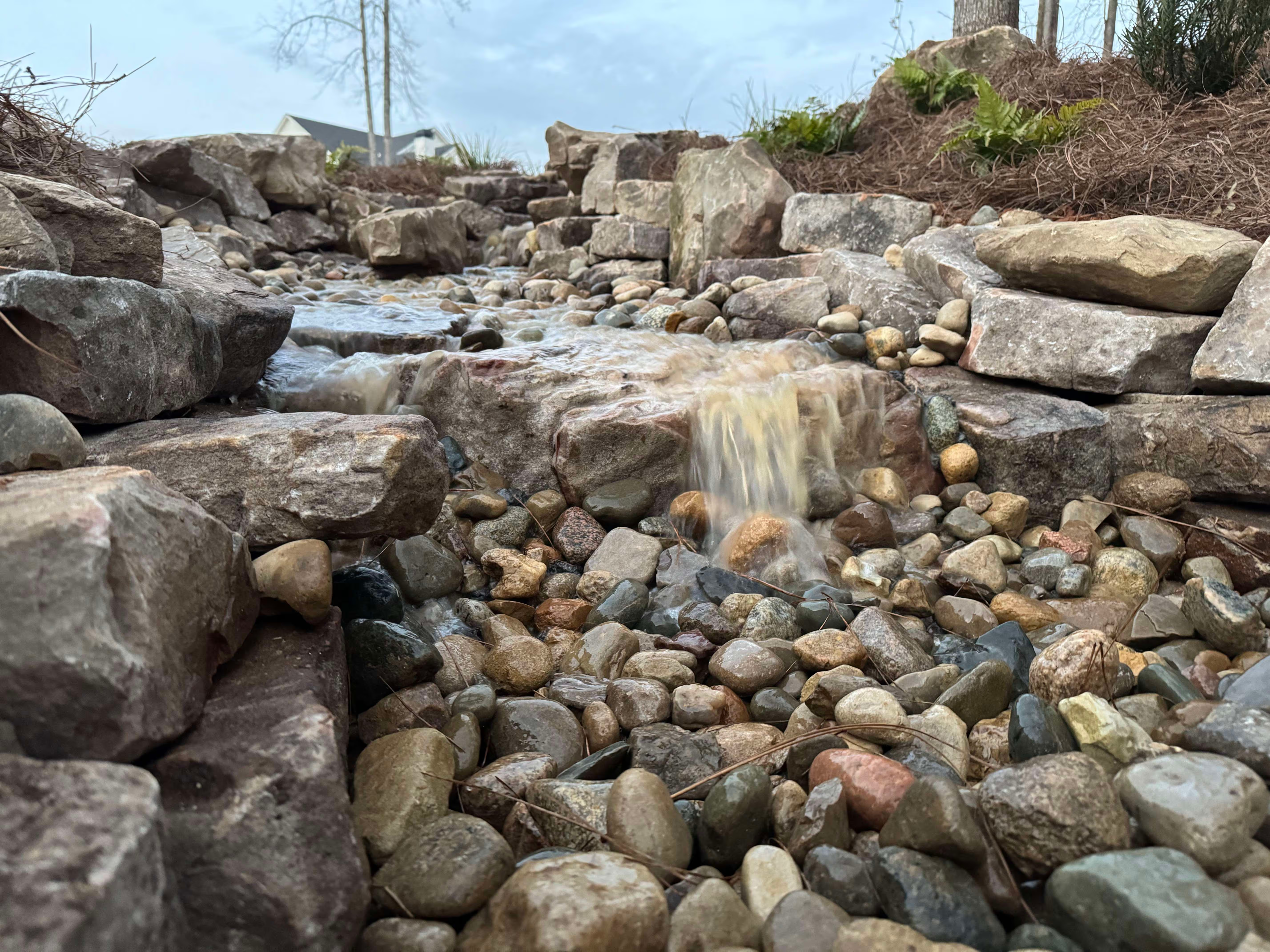
What Water Feature Installation Involves
Water features fail more often than most outdoor improvements because they sit at the intersection of excavation, plumbing, electrical work, and design, and a weakness in any one of those areas creates problems that are difficult to fix without dismantling what was already built. A pond that was not properly lined leaks slowly until the water level drops and the pump runs dry. A fountain installed without adequate electrical planning trips breakers or runs on an extension cord indefinitely. A stream that was not graded correctly pools in the wrong places and looks stagnant rather than natural.
Rooted designs and installs water features as complete systems rather than individual components. The basin, the liner, the pump sizing, the plumbing, the electrical connection, and the surrounding hardscape and plantings are all worked out together before any excavation begins. The goal is a feature that functions reliably, requires reasonable maintenance, and looks like it belongs in the space rather than like something that was added to it.
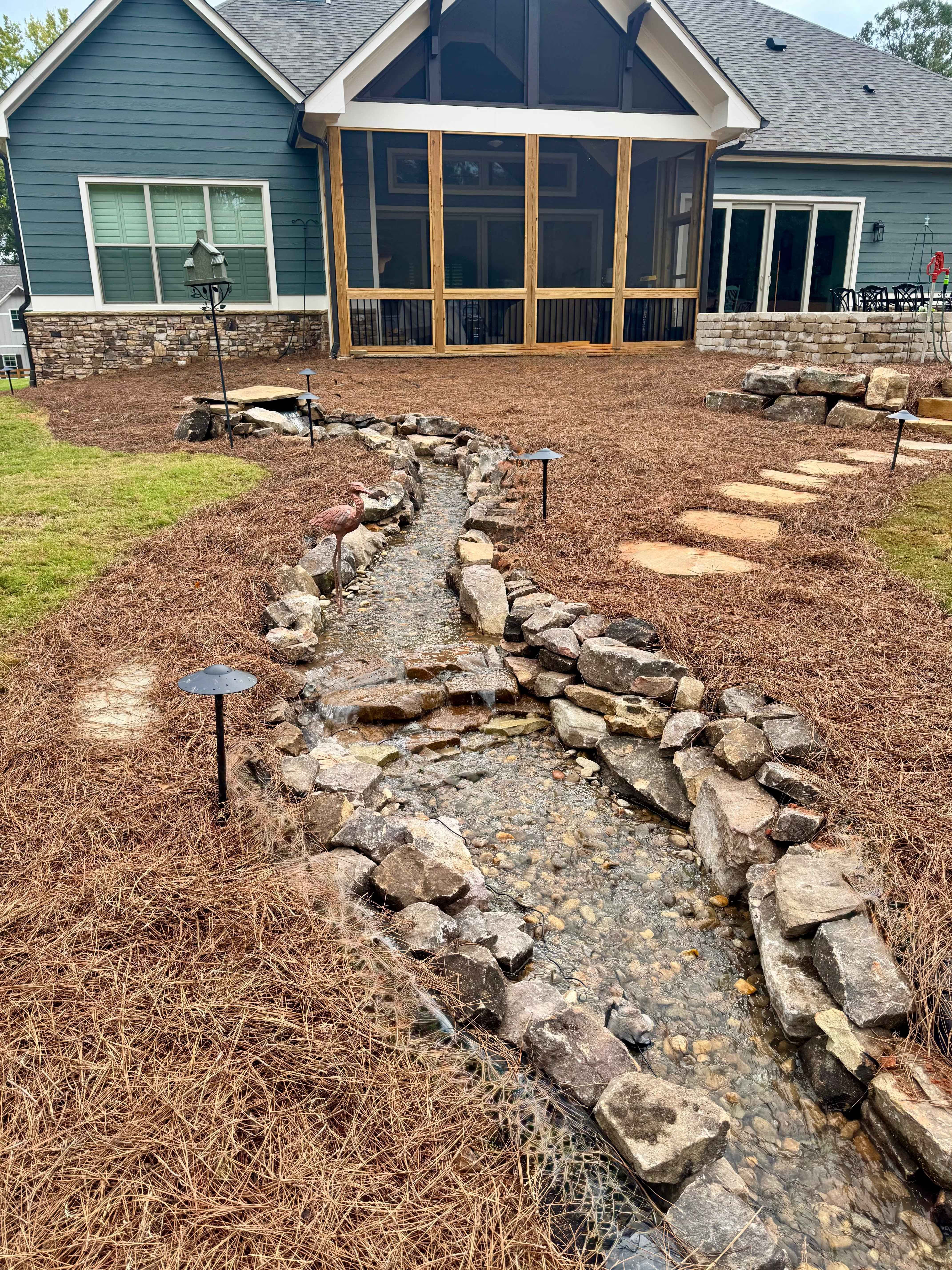

An Informational Guide to Water Features
Water features vary more in scope, complexity, and maintenance requirements than almost any other outdoor improvement. Understanding the key decisions before you build helps you select the right feature for your yard and set realistic expectations for what living with it will involve.
Pump sizing affects everything. An undersized pump cannot move enough water to keep a pond oxygenated or create the visual movement a waterfall needs to look natural. An oversized pump moves water too aggressively for the feature it is serving and wastes energy doing it. Pump sizing is determined by the volume of water in the system, the head height the pump needs to work against, and the flow rate required to achieve the desired visual effect. Getting this right requires knowing the full system before any component is selected.
Liner quality determines lifespan. A water feature is only as permanent as its liner. EPDM rubber liner is the industry standard for flexible-lined features because of its durability, UV resistance, and ability to conform to irregular shapes. Preformed rigid liners are faster to install but limit design flexibility and are more prone to cracking over time. Concrete basins offer design flexibility and permanence but require proper waterproofing and are more complex to build and repair. Rooted selects liner and basin materials based on the specific feature, site conditions, and long-term performance requirements.
Electrical planning cannot be an afterthought. Every water feature with a pump requires a dedicated electrical connection with a ground fault circuit interrupter outlet. Running a pump on an extension cord is a safety hazard and a code violation. Electrical planning needs to happen before excavation begins so conduit can be run correctly and the connection point is located where it needs to be, not where it was convenient to put it after the fact.
Algae and water quality are ongoing management tasks. Any open body of water in a yard will develop algae under the right conditions, typically a combination of sunlight, nutrients from decaying organic matter, and still or slow-moving water. Proper circulation, the right balance of aquatic plants, beneficial bacteria treatments, and keeping organic debris out of the water are the primary tools for managing water quality. A feature designed with adequate circulation and appropriate plant coverage will be significantly easier to maintain than one that was not.
Freeze considerations. Georgia winters are mild but not freeze-proof. Pumps and plumbing that are not properly managed through a hard freeze can crack and fail. Most water features in Georgia can run year-round with appropriate management, but having a winterization plan for equipment is a standard part of every Rooted water feature installation.
Moving Water Looks Effortless When the System Behind It Is Not
The water features that get turned off and ignored within a season are almost always ones where the components were selected individually rather than designed together. The pump is undersized for the head height. The basin is too shallow to maintain water temperature and oxygen levels. The electrical connection is inconvenient enough that managing the feature becomes a nuisance. None of these are unfixable problems, but they are all avoidable ones when the full system is designed before any part of it is built.
Rooted designs every water feature from the basin up, working through pump sizing, plumbing, electrical, liner selection, surrounding hardscape integration, and planting before excavation begins. We also design for what living with the feature will actually involve, how it will be maintained through Georgia's seasons, how it will be managed through a hard freeze, and how it will look not just at installation but as the surrounding plantings mature and the feature settles into the landscape around it. A water feature that was designed to work is one you will actually use and enjoy rather than one you will spend the next several years trying to fix.
Ready to Transform Your Outdoor Space? Let’s Talk.
Customer Testimonials
Hear from some of our 100+ 5.0 Star Google Reviews!
Anne J.
Jerry and his team where easy to work with. They completed the job ahead of schedule and under budget. The new wall is as attractive as it is practical. Thank you and hopefully we can do another project in future!
Wayne M.
Lynn V.
Kay W.
Reb W.
FAQs
We install a range of water features including ponds, pondless waterfalls, fountains, bubblers, and stream beds. Each creates a different effect in the landscape. Ponds add a naturalistic ecosystem element and can support fish and aquatic plants. Pondless waterfalls deliver the sound and movement of flowing water without the open water basin, making them a strong option for households with young children or smaller yards. Fountains and bubblers work well as focal points in more formal or structured garden settings. The right choice depends on the size of your space, the aesthetic you are after, and how much ongoing maintenance you want to take on.
Less than most people assume. Pondless waterfalls and bubblers can be designed for relatively compact spaces and still create a meaningful impact. Larger ponds and stream features obviously require more room to feel proportional, but the design can be scaled to fit what you are working with. We assess the space and help you understand what is realistic for your yard before any decisions are made, so you are not committing to something that overwhelms the space or gets lost in it.
Done well, a water feature becomes the anchor of the outdoor space rather than an addition to it. The sound of moving water changes how a space feels, masking road noise and creating a more private, settled atmosphere. Ponds and naturalistic stream features also support local wildlife, attracting birds, pollinators, and beneficial insects. The key is integrating the feature into the broader landscape design from the start rather than dropping it in as an afterthought, which is what makes it look like it has always belonged there.
Maintenance level varies by feature type. Pondless waterfalls and fountains are the lowest maintenance option since there is no open water ecosystem to manage. Ponds with fish and aquatic plants require more attention, including monitoring water quality, managing algae, and caring for plants seasonally. All water features benefit from periodic cleaning and should be winterized appropriately before freezing temperatures arrive to protect pumps and plumbing. We can walk you through the realistic maintenance picture for whichever feature you are considering before installation so there are no surprises.
Yes, and it is one of the more common scenarios we work with. Adding a water feature to an established yard requires thoughtful planning around existing plantings, grades, and hardscape, but it is very workable. The grade of the land actually plays in your favor with features like waterfalls and streams, where natural slope can be used to create a more convincing and structurally sound design. We assess the site conditions first and design the feature to work with what is already there rather than against it.
Our Hardscaping Process
Every hardscaping project is different, but our process is consistent. Here is exactly what to expect, from your first call to the day you enjoy your finished space.
.avif)
Consultation
We Come to You
We visit your property for a 30 to 60 minute walkthrough. We look at the space, talk through your vision, and assess what is actually possible given your yard, slope, drainage, and budget.
Most homeowners have a rough idea of what they want but are not sure what is realistic. This conversation usually clarifies a lot and sets the project up for success from the start.
3-D Design & Proposal
See It Before We Build It
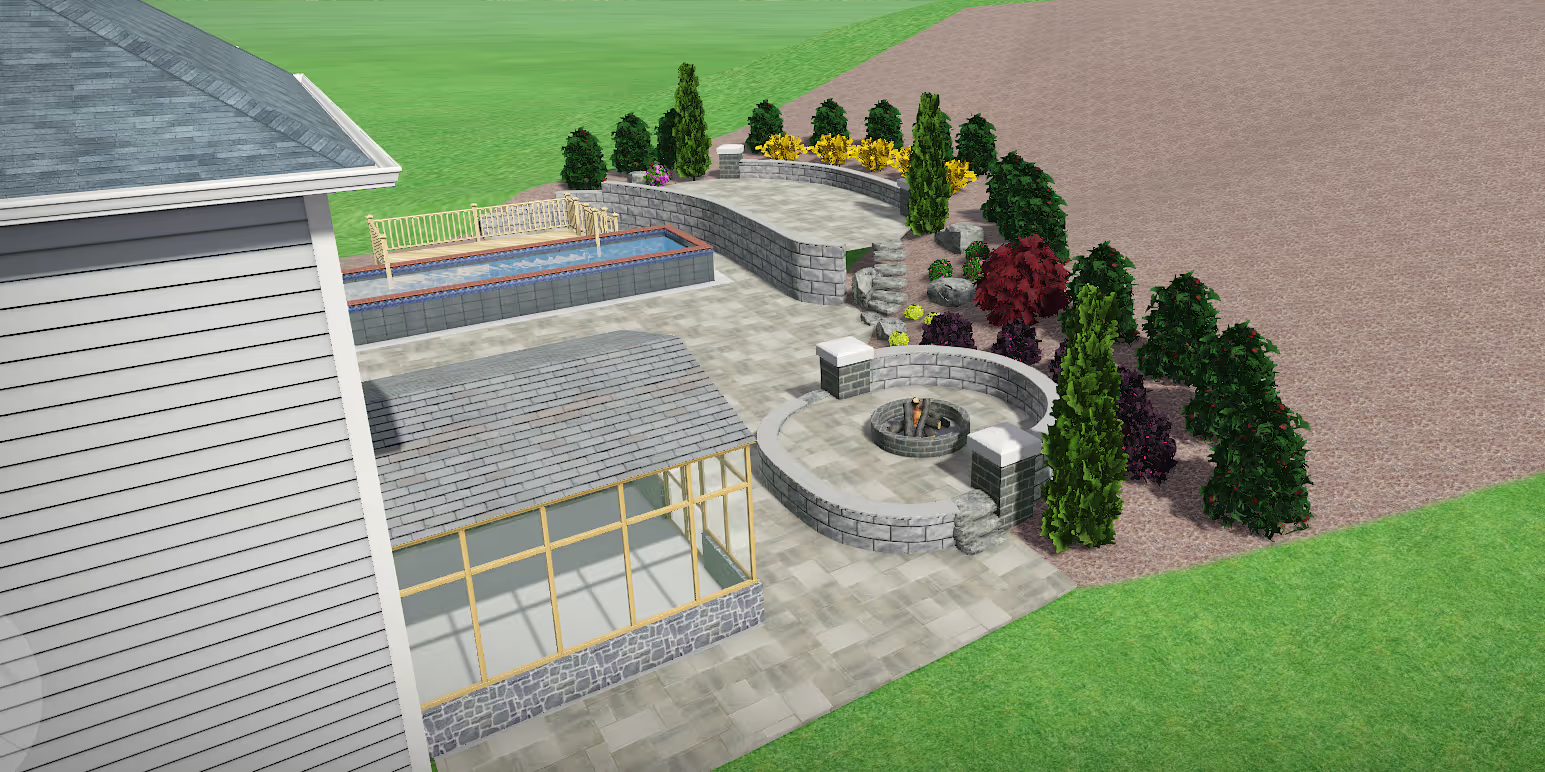
We use professional 3-D rendering software to produce a detailed visual of your finished project. You will see exactly where the patio sits, how the wall is terraced, where the fire pit lands, and what materials will be used. Multiple material and color options are shown side by side, and revisions are included until you are fully satisfied with the design.
Once the design is approved, we provide a detailed written proposal with itemized pricing. As a Belgard Authorized Contractor, we source premium materials directly and walk you through the full product line to select your paver style, color, and finish.
Site Prep and Build
Built Right From the Ground Up
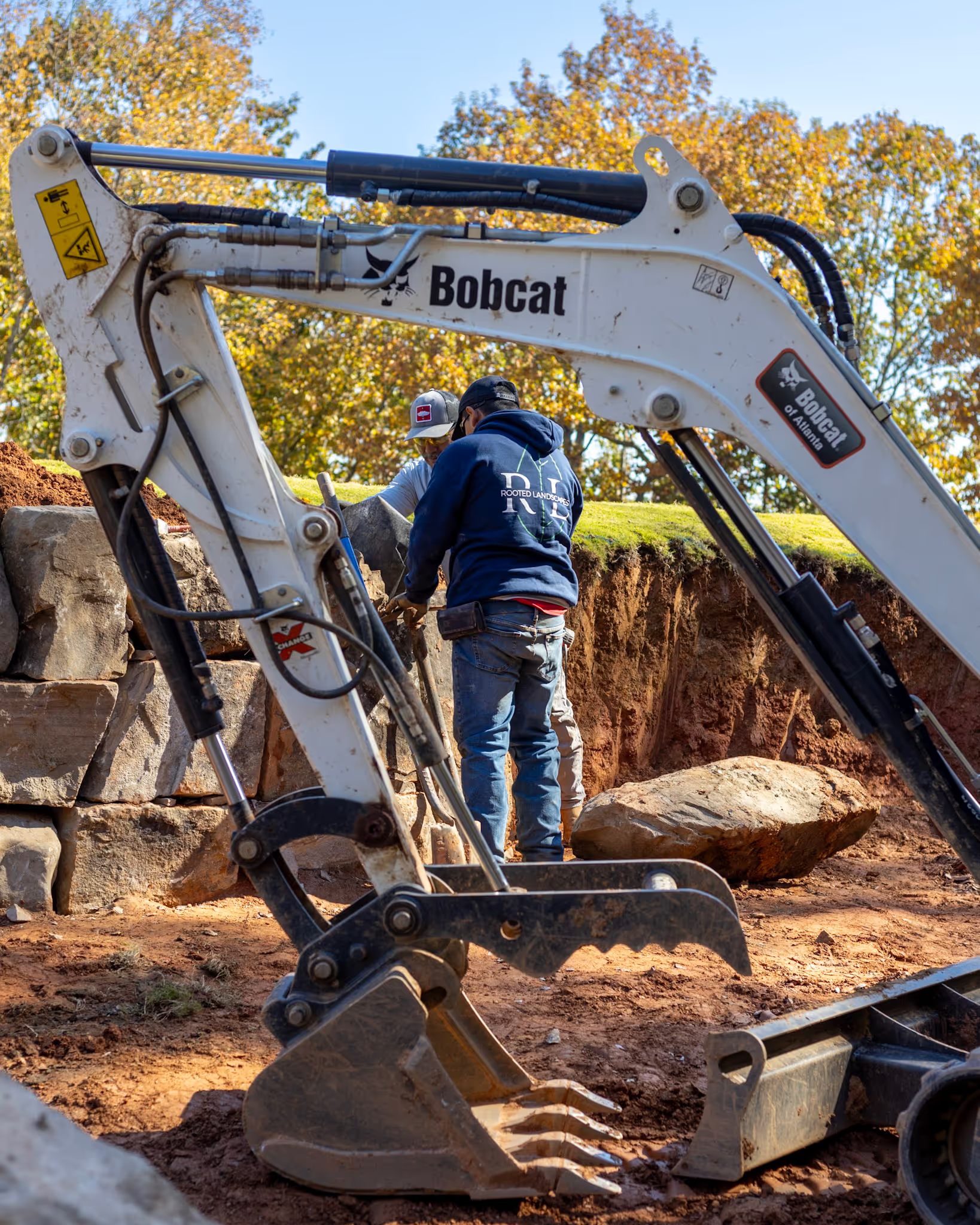
This is where most cheap hardscaping jobs cut corners. Proper excavation, grading, and base compaction are what separate a patio that holds up for thirty years from one that shifts and sinks in five. Our CMHA-certified crews are trained to do this step correctly every time, with drainage addressed before any surface work begins.
The Rooted installation team then builds your project to the approved 3-D design. Jerry stays involved throughout and is reachable directly if you have questions. The site is kept clean and organized from start to finish, and the crew shows up on time and works a full day.
Final Walkthrough
We Don’t Leave Until You Love It
We walk the finished project with you before we consider the job done. Any punch list items are addressed on the spot.
We go over care and maintenance, explain what your Belgard warranty covers, and make sure you are completely satisfied with every element of the build.

Let's Build SomethingYou’ll Love
Share your vision and we'll handle the rest.