
Outdoor Kitchens
An outdoor kitchen turns your yard into a space you actually use. When it is designed around how you cook and how you entertain, it stops being an amenity and starts being the reason people gather at your house.
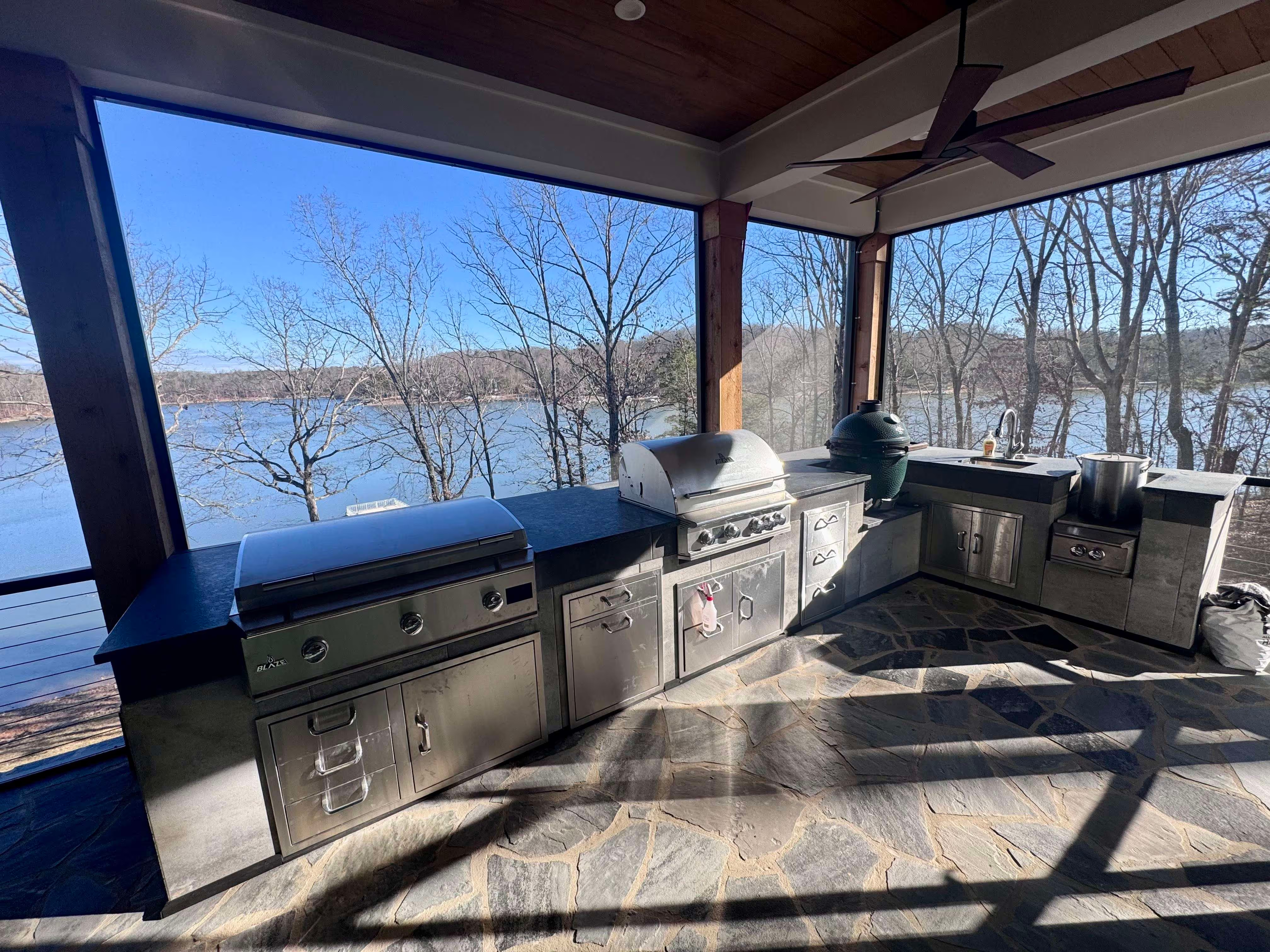
What Outdoor Kitchen Installation Involves
An outdoor kitchen is one of the more complex additions you can make to an outdoor space because it sits at the intersection of hardscape construction, utility work, and design. The structure has to be built to handle Georgia's weather year-round. The layout has to account for how you actually cook, not just how a showroom floor plan looks. And every component, from the countertop material to the grill placement to where the refrigerator vents, has to be worked out before construction begins.
Rooted designs and builds outdoor kitchens as part of the overall outdoor living space rather than as a standalone feature dropped into an existing patio. We work through the layout, the utility connections, the countertop and finish materials, and how the kitchen will relate to seating areas, fire features, and the rest of the yard before anything is built. The result is a kitchen that functions the way a well-designed indoor kitchen does, built to hold up outside.
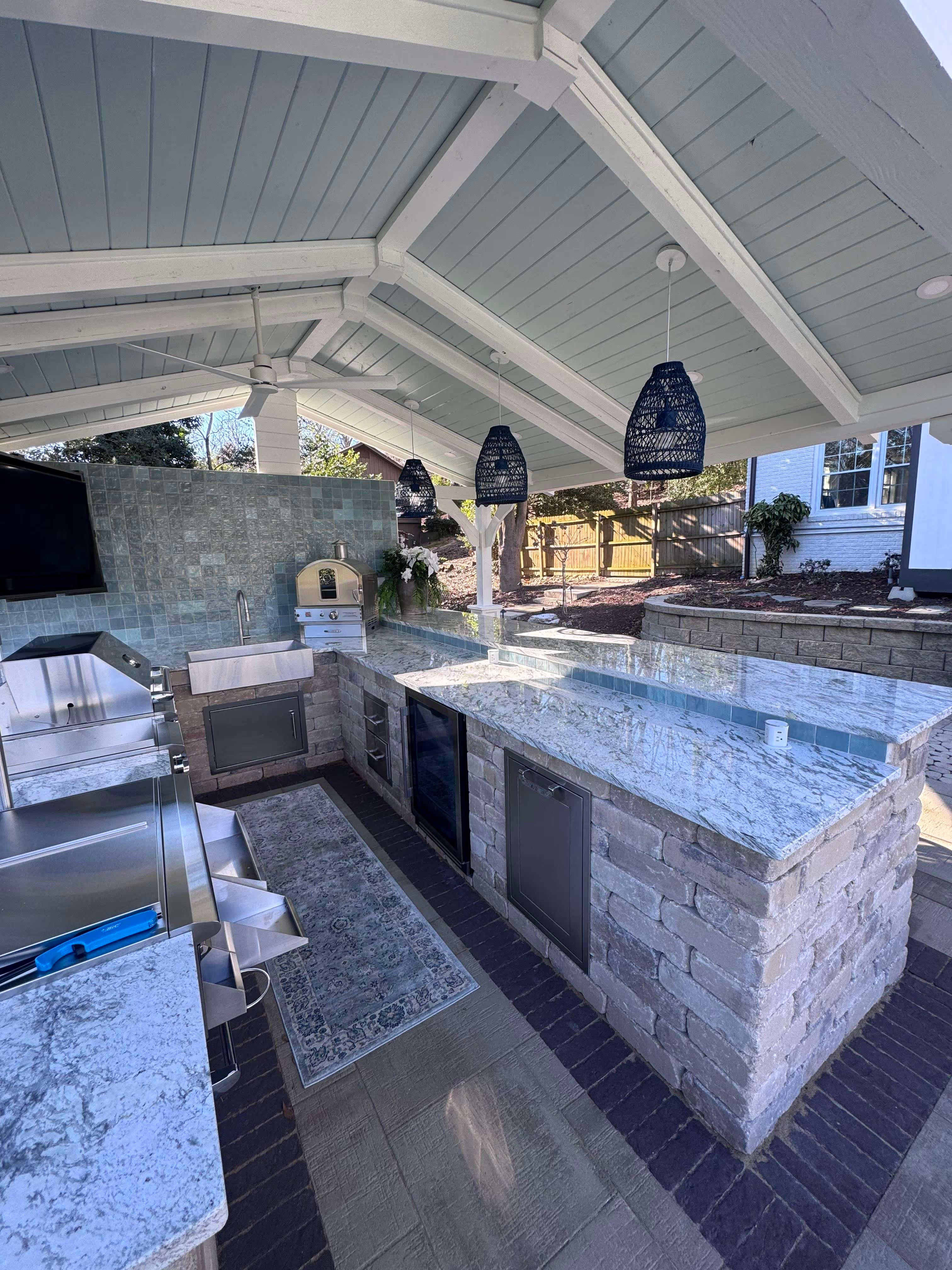
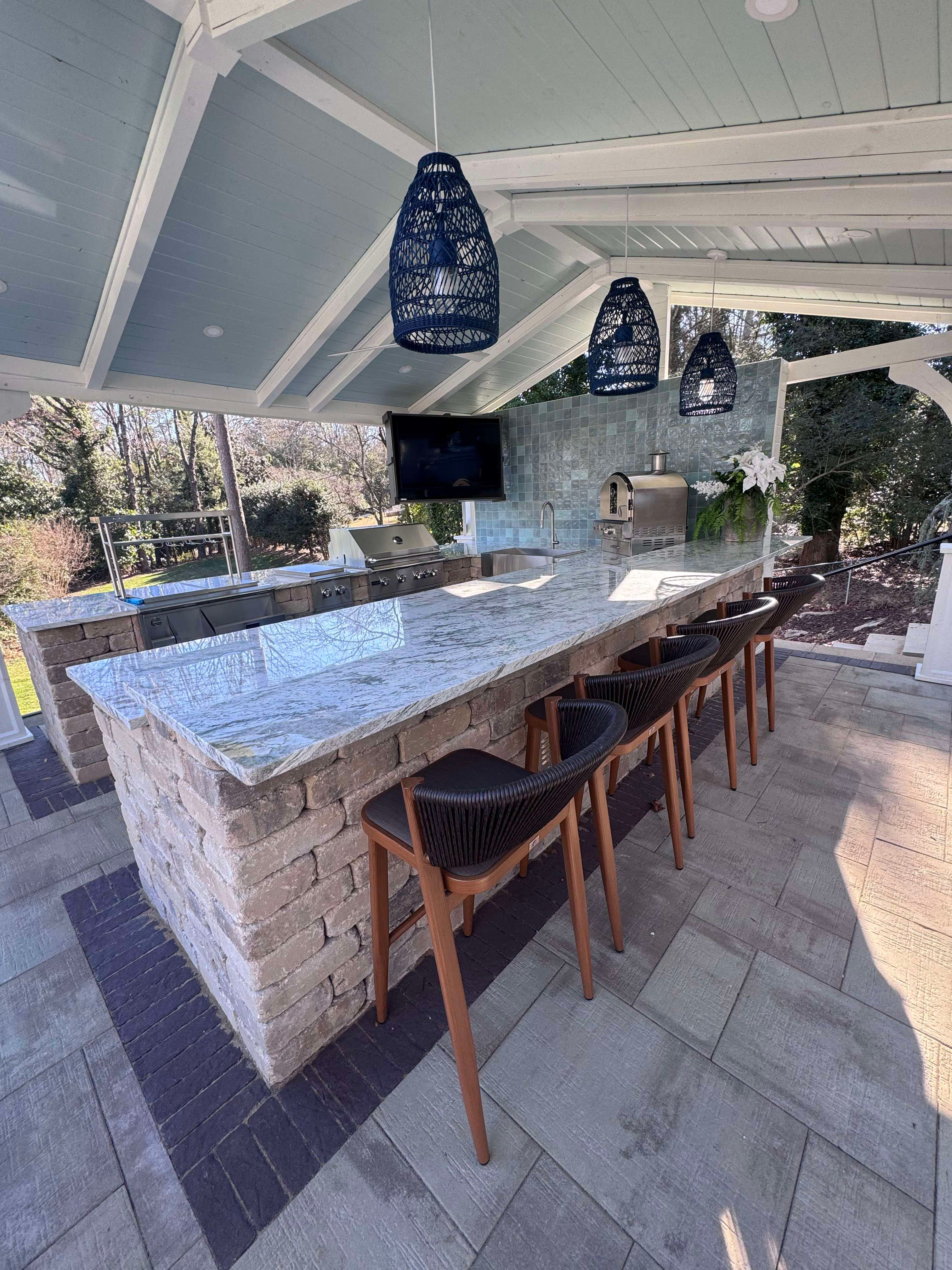
An Informational Guide to Outdoor Kitchens
Outdoor kitchens vary more than almost any other hardscape feature in terms of scope, materials, and complexity. Understanding the key decisions upfront saves time, budget, and redesign headaches once construction begins.
Layout drives everything. The most important thing to get right before a single block is laid is how the kitchen will actually be used. Where does the cook stand relative to guests? Where does food prep happen relative to the grill? Where do people set things down? A kitchen that looks balanced on paper but fights against natural movement patterns will frustrate you every time you use it.
Structure material options. Outdoor kitchen frames are typically built from steel stud framing with cement board, concrete block, or a combination of both. Each has different characteristics in terms of durability, weight, and what finish materials can be applied to the exterior. The right choice depends on your design, your budget, and what the structure will be anchored to.
Countertop materials. Porcelain, granite, concrete, and quartzite are the most common outdoor countertop choices. Each handles heat, moisture, and UV exposure differently. Porcelain is low maintenance and highly durable. Granite is a classic choice with good weather resistance. Concrete offers flexibility in color and edge profile but requires sealing. Rooted helps you select a material that works in Georgia's climate and holds up to how you will actually use the surface.
Utility connections. A gas line, electrical service, and in some cases a water line need to be run to the kitchen before the structure goes up. Coordinating these connections early in the design process prevents having to work around them later. Rooted manages the sequencing of utility work so it is addressed at the right stage of the build.
Appliance selection. Outdoor-rated appliances are not optional. Residential indoor appliances are not built to handle temperature swings, moisture, and UV exposure and will fail quickly outside regardless of how protected the kitchen seems. Grills, refrigerators, side burners, and storage components should all be specified for outdoor use before the cabinet openings are sized around them.
Designed to be Beautiful and Enjoyed Often
A lot of outdoor kitchens look impressive but only get used twice a summer. The layout felt right during the design conversation but does not hold up once someone is actually standing at the grill with guests behind them and nowhere logical to set a plate. These are problems that get designed in early and lived with for a long time.
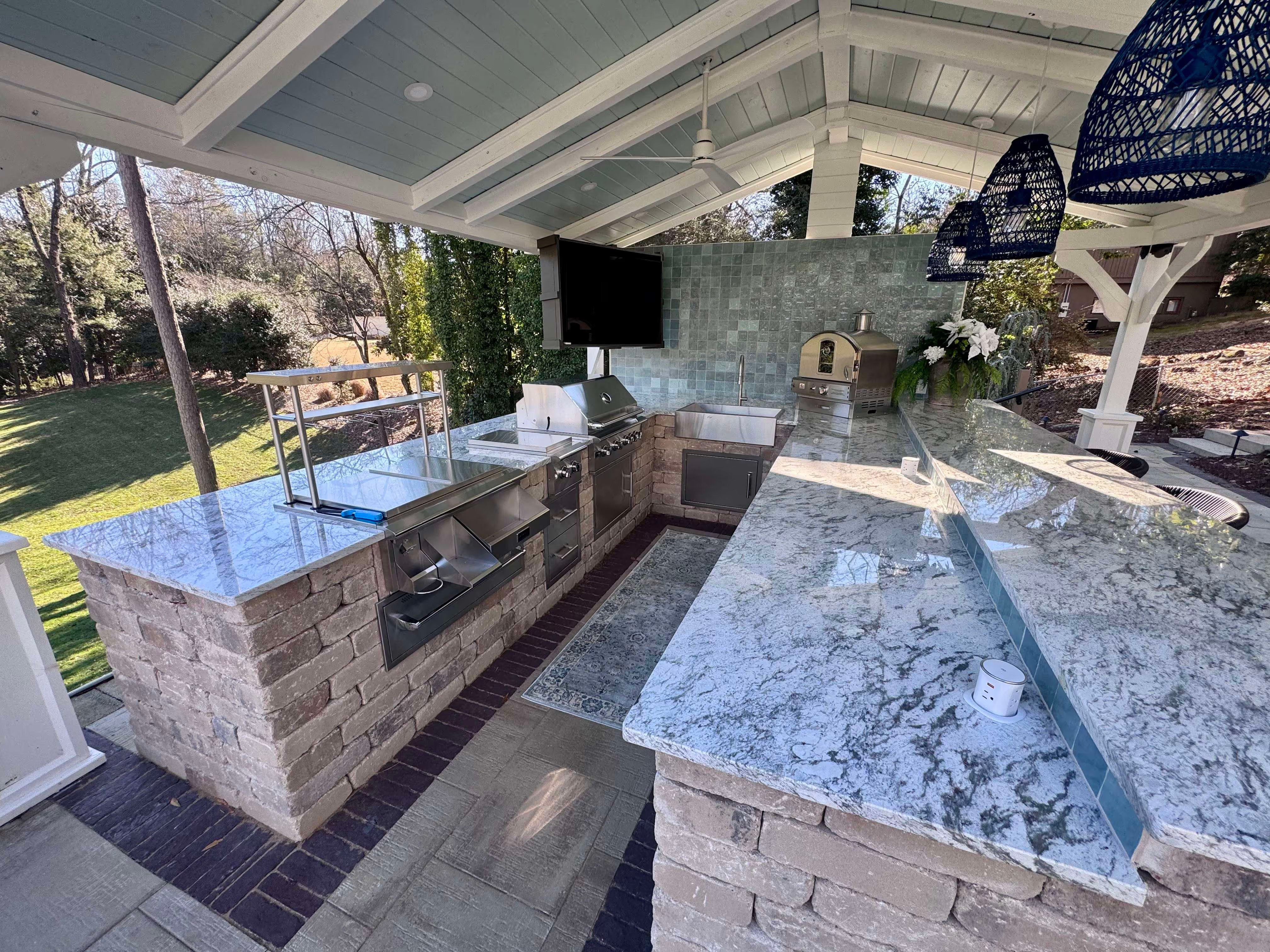
Rooted works through the functional details of how you cook and entertain before the aesthetic decisions are made. Counter depth, grill placement, prep space, landing zones, proximity to seating, and how the kitchen connects to the rest of the outdoor space are all worked out in the design phase so the finished kitchen fits your habits, not a generic floor plan. As a Belgard Authorized contractor and CMHA-certified installer, the structural and hardscape work that anchors the kitchen is built to the same standards we apply across every outdoor living project, because a beautiful kitchen on a compromised base is still a compromised kitchen.
Ready to Transform Your Outdoor Space? Let’s Talk.
Customer Testimonials
Hear from some of our 100+ 5.0 Star Google Reviews!
Anne J.
Jerry and his team where easy to work with. They completed the job ahead of schedule and under budget. The new wall is as attractive as it is practical. Thank you and hopefully we can do another project in future!
Wayne M.
Lynn V.
Kay W.
Reb W.
FAQs
A fully built-out outdoor kitchen typically includes a grill station as the anchor, along with some combination of countertop workspace, a sink, refrigeration, storage cabinets, and side burners. From there, options like pizza ovens, built-in smokers, beverage coolers, and bar seating can be added depending on how you plan to use the space. Not every outdoor kitchen needs every component. We design around how you actually cook and entertain rather than defaulting to a standard package, which keeps the space functional rather than just impressive on paper.
Materials need to hold up against heat, moisture, UV exposure, and temperature swings, so the choices are different from an interior kitchen. Countertops are typically natural stone, porcelain, or concrete. Cabinet and structure framing is usually steel stud or concrete block, finished with stone veneer, stucco, or tile. Appliances should be rated specifically for outdoor use, which matters for both performance and longevity. Material selection also plays a significant role in the overall aesthetic, and we help you find combinations that fit the style of your home and existing outdoor space.
A cover is not strictly required, but it extends the usability of the space significantly and protects both the structure and appliances from weather over time. A pergola, pavilion, or attached roof structure keeps the kitchen functional during light rain, provides shade during summer, and reduces the maintenance burden on surfaces and equipment. If a full cover is not in the plan initially, we design with the option to add one later so the investment is not compromised down the road.
At minimum, most outdoor kitchens need a gas line connection for the grill and other burners, and many also incorporate a water line for the sink and an electrical connection for lighting, refrigeration, and outlets. These connections need to be planned and roughed in early in the construction process, so utility coordination happens at the design stage rather than as an afterthought. We work through what your specific layout requires and coordinate accordingly before any building begins.
A well-built outdoor kitchen with quality materials and appliances is designed to last for decades. Routine maintenance is straightforward: keeping surfaces clean, covering or storing appliances during extended periods of non-use, checking gas connections annually, and winterizing the water line before freezing temperatures arrive. Stone and tile surfaces are durable and low maintenance. Stainless steel appliances should be cleaned regularly to prevent buildup and surface oxidation. The biggest factor in long-term performance is the quality of the initial build, which is where corners tend to show up years later.
Our Hardscaping Process
Every hardscaping project is different, but our process is consistent. Here is exactly what to expect, from your first call to the day you enjoy your finished space.
.avif)
Consultation
We Come to You
We visit your property for a 30 to 60 minute walkthrough. We look at the space, talk through your vision, and assess what is actually possible given your yard, slope, drainage, and budget.
Most homeowners have a rough idea of what they want but are not sure what is realistic. This conversation usually clarifies a lot and sets the project up for success from the start.
3-D Design & Proposal
See It Before We Build It
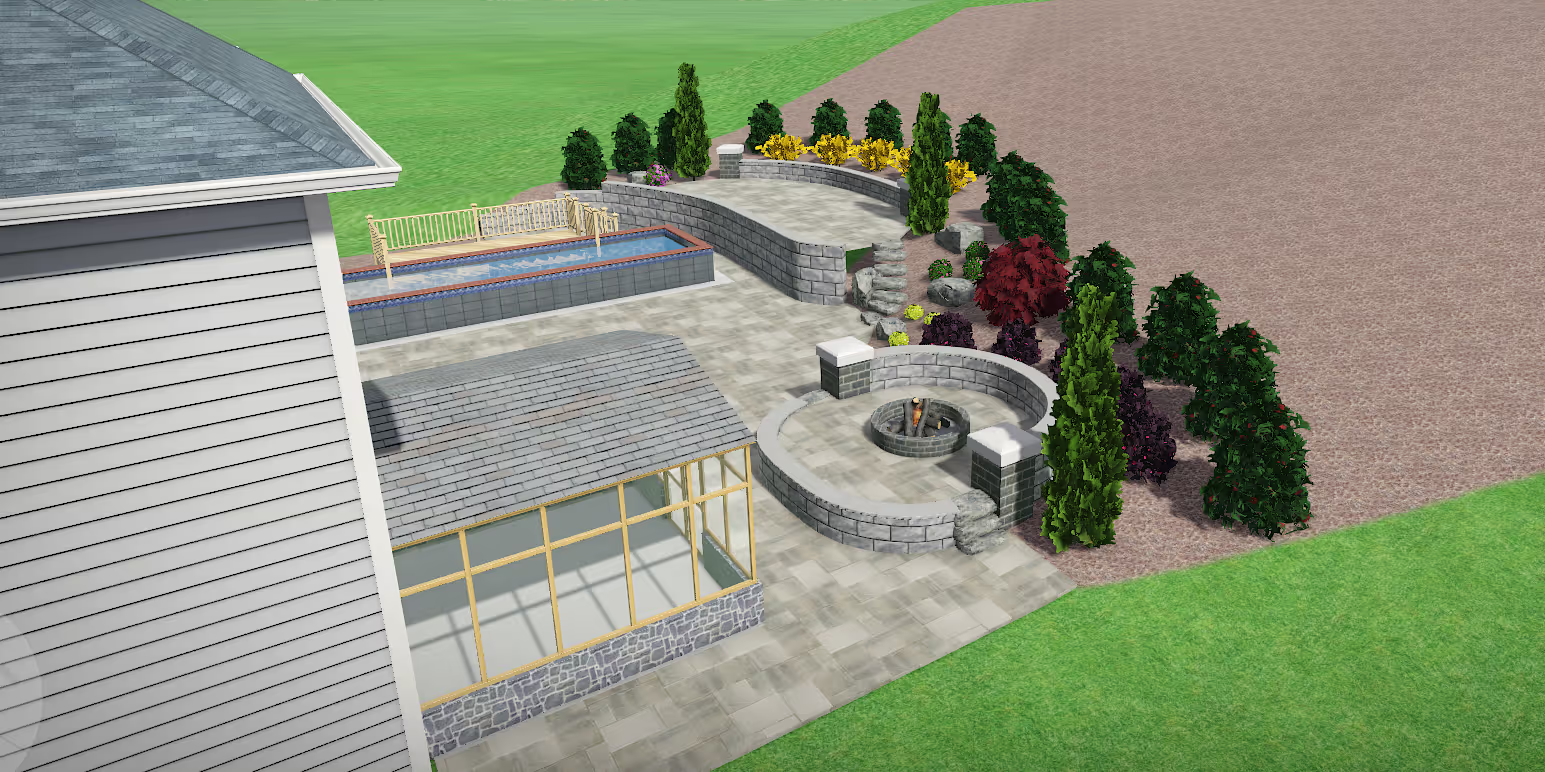
We use professional 3-D rendering software to produce a detailed visual of your finished project. You will see exactly where the patio sits, how the wall is terraced, where the fire pit lands, and what materials will be used. Multiple material and color options are shown side by side, and revisions are included until you are fully satisfied with the design.
Once the design is approved, we provide a detailed written proposal with itemized pricing. As a Belgard Authorized Contractor, we source premium materials directly and walk you through the full product line to select your paver style, color, and finish.
Site Prep and Build
Built Right From the Ground Up
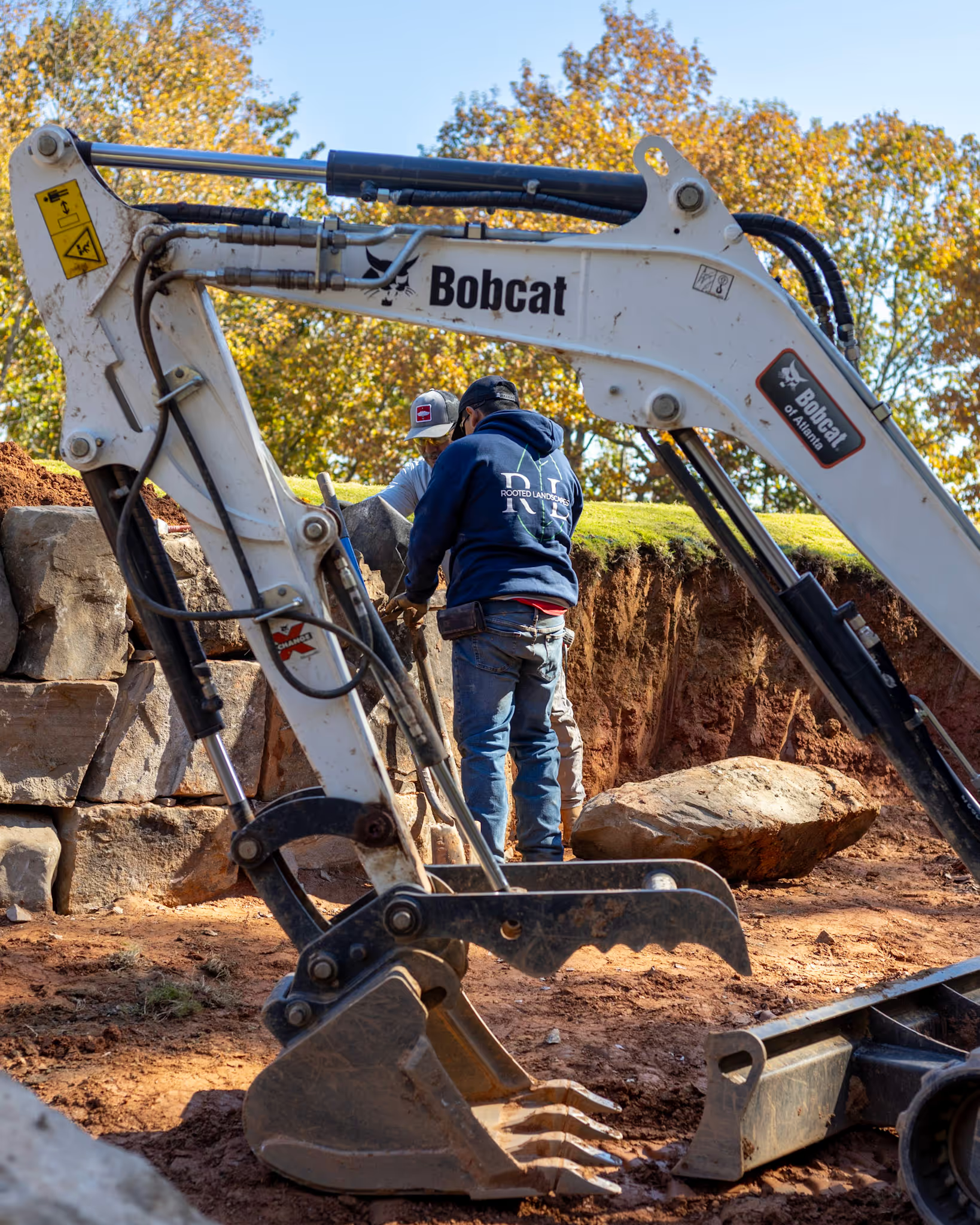
This is where most cheap hardscaping jobs cut corners. Proper excavation, grading, and base compaction are what separate a patio that holds up for thirty years from one that shifts and sinks in five. Our CMHA-certified crews are trained to do this step correctly every time, with drainage addressed before any surface work begins.
The Rooted installation team then builds your project to the approved 3-D design. Jerry stays involved throughout and is reachable directly if you have questions. The site is kept clean and organized from start to finish, and the crew shows up on time and works a full day.
Final Walkthrough
We Don’t Leave Until You Love It
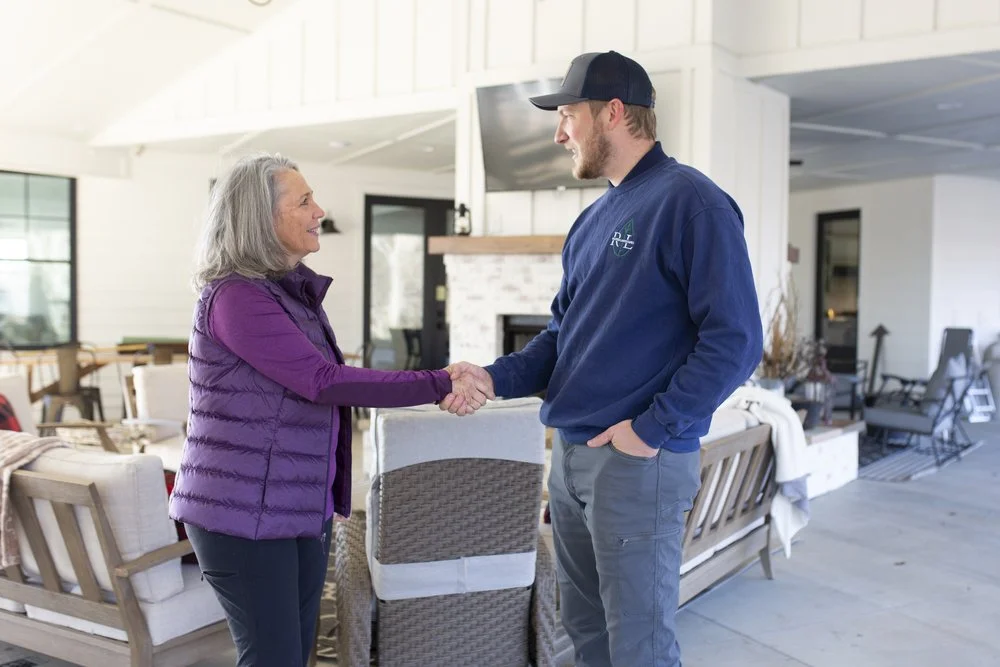
We walk the finished project with you before we consider the job done. Any punch list items are addressed on the spot.
We go over care and maintenance, explain what your Belgard warranty covers, and make sure you are completely satisfied with every element of the build.
Let's Build SomethingYou’ll Love
Share your vision and we'll handle the rest.