
Fire Pits & Outdoor Fireplaces
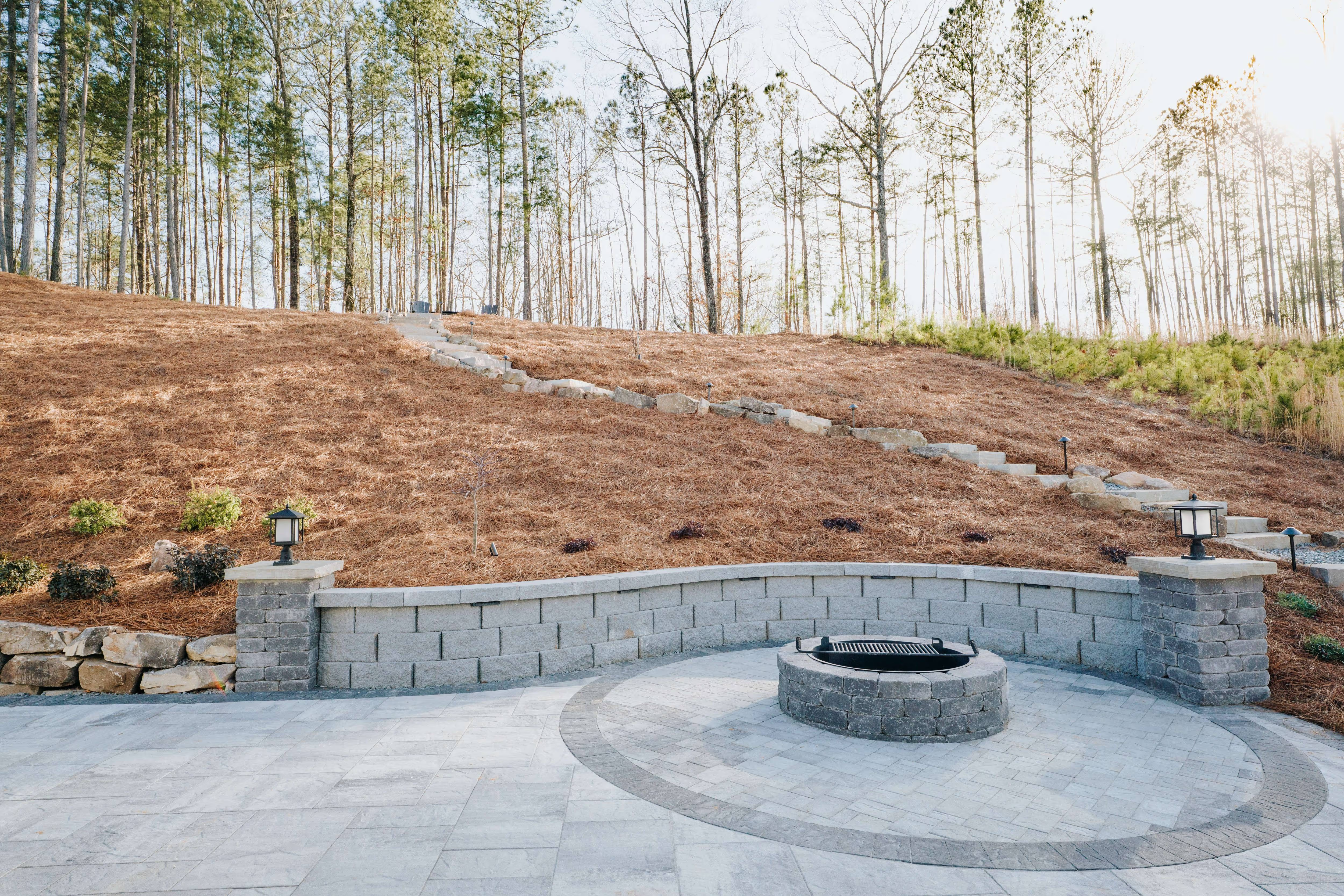
A well-designed fire feature gives your outdoor space a focal point that pulls people together and extends the time you actually spend outside.
What Outdoor Fire Features Involve
A fire pit or outdoor fireplace is one of the most used additions a homeowner can make to their yard, but only when it is designed and placed correctly. The wrong location creates a smoke problem. The wrong materials crack under repeated heat and freeze cycles. The wrong scale feels out of proportion with the rest of the space and never quite looks intentional.
Rooted designs fire features as part of the overall outdoor space, not as an afterthought dropped in after everything else is finished. Placement is determined by how you use your yard, where seating will go, how wind moves through the space, and how the feature will connect visually to your home and surrounding hardscape or landscape.
Every fire feature is built to meet local code requirements and withstand Georgia's climate year-round, so it holds up as well in January as it looks in October.
Fire Pits vs. Fireplaces:
Which is Right for Your Space?
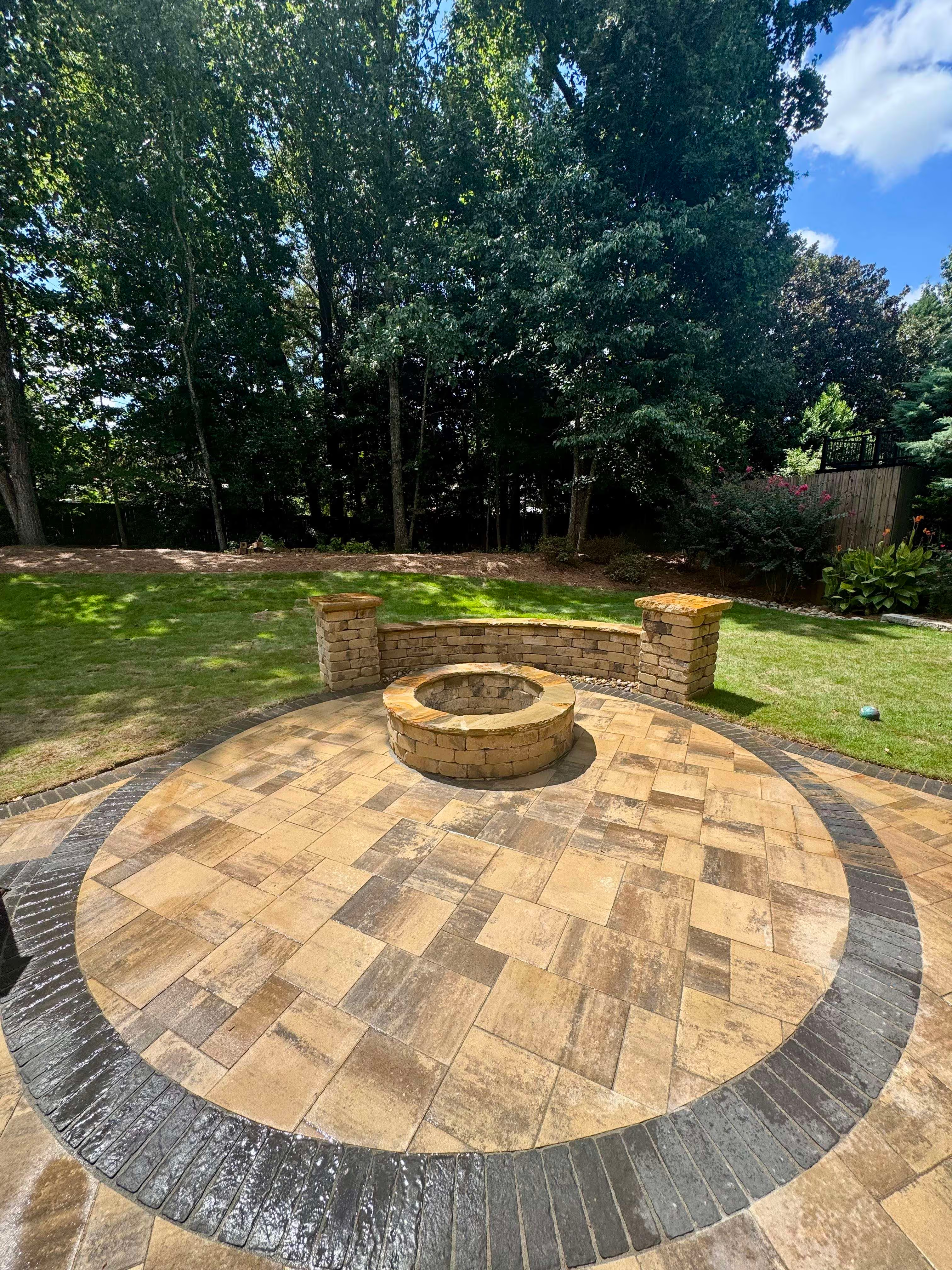
Fire Pits: Open flame, flexible seating
A fire pit works well in yards where you want a relaxed, gather-around setup with flexible seating arrangements. Rooted designs fire pits as permanent built-in features using natural stone, brick, or concrete block, sized and positioned to feel like a natural part of the space rather than something placed after the fact.
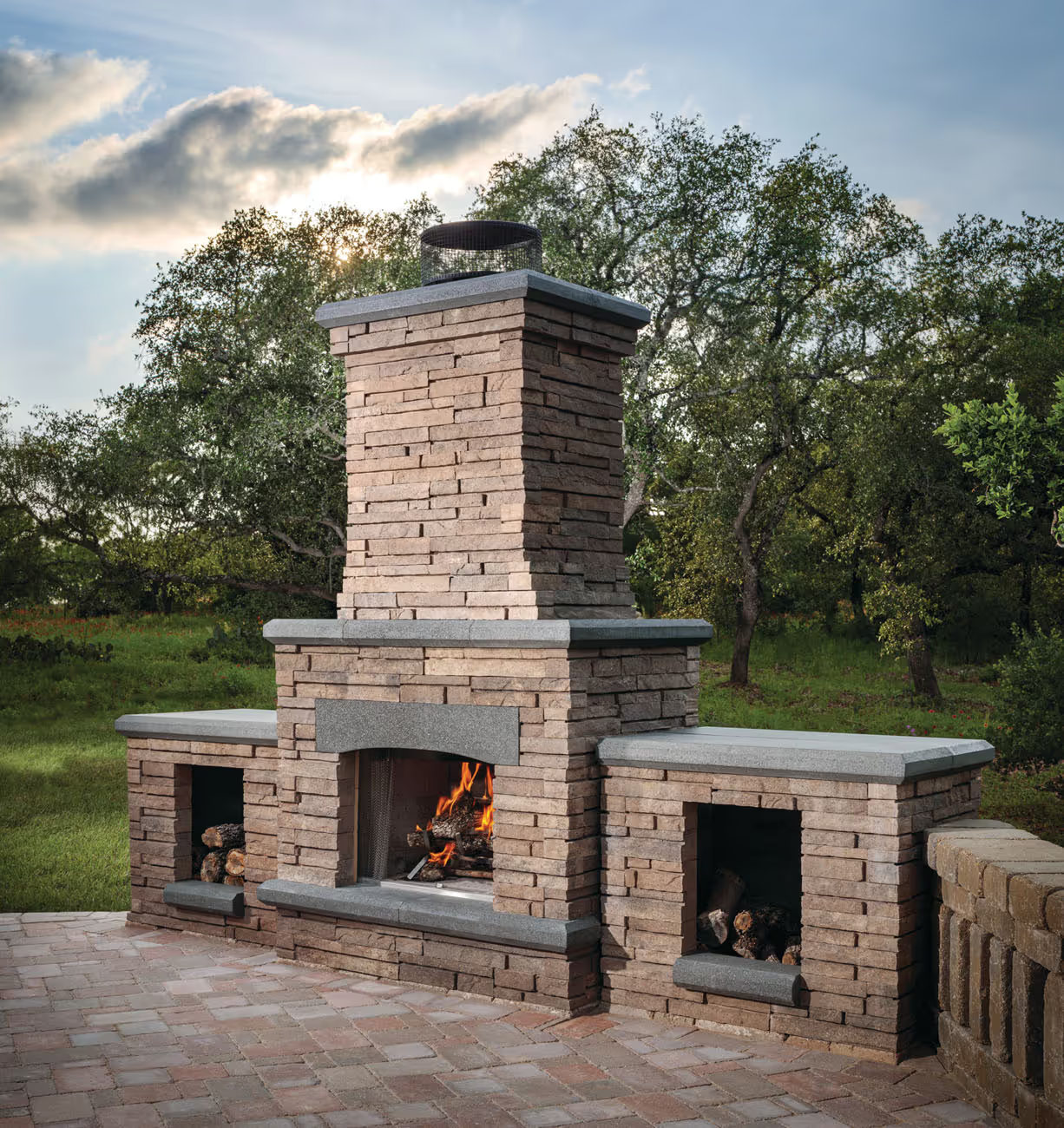
Outdoor Fireplaces: Architectural presence, directional warmth
An outdoor fireplace adds structure and visual weight to a patio or seating area. It works especially well as an anchor point for a larger outdoor living space, creating a defined area that feels like an extension of the home. Rooted designs outdoor fireplaces to complement your home's architecture and the surrounding hardscape.
Built to Be Used, Not Just Looked At
A lot of fire features get installed and barely touched. The seating never quite works. The smoke blows the wrong direction. The scale feels off. It looks fine in photos but does not actually draw people outside the way the homeowner imagined.
That happens when a fire feature is chosen before the space is designed. Rooted works the other way. We start with how you want to use your yard, where people naturally gather, and what the finished space needs to feel like before we ever talk about materials or style. The fire feature comes out of that process, so it fits the space instead of competing with it.
The result is a feature that gets used. One that becomes the reason you are outside on a Tuesday night in October instead of in front of the television.
Ready to Transform Your Outdoor Space? Let’s Talk.
Customer Testimonials
Hear from some of our 100+ 5.0 Star Google Reviews!
Anne J.
Jerry and his team where easy to work with. They completed the job ahead of schedule and under budget. The new wall is as attractive as it is practical. Thank you and hopefully we can do another project in future!
Wayne M.
Lynn V.
Kay W.
Reb W.
FAQs
The two main paths are wood-burning and gas (natural gas or propane). Wood-burning creates the classic crackling fire experience but requires storing dry, seasoned wood and cleaning out ash regularly. Gas fires are cleaner, easier to control, and ready to use at the turn of a valve, but they do require either an existing natural gas line or a propane tank setup. The right choice usually comes down to how you plan to use the space. If you want ambiance with minimal upkeep, gas is hard to beat. If the full campfire experience is the point, wood-burning delivers that in a way gas simply does not.
Often yes, particularly for built-in or gas installations. Requirements vary by county and municipality, so we assess what applies to your specific project and location before work begins. Getting this right upfront avoids problems later, especially for anything tied into a gas line or installed near a structure.
Placement matters for both safety and function. The fire feature needs adequate clearance from structures, overhangs, fencing, and established trees. Beyond that, we look at prevailing wind direction, how the space is used, where seating will land, and how the feature connects visually to the rest of the outdoor space. A fire pit dropped in the wrong spot creates smoke problems and feels disconnected from the design. Good placement makes it the natural gathering point it should be.
Yes, and some of the best projects do exactly this. Fire pits pair well with surrounding paver patios, built-in seating walls, outdoor kitchens, and landscape lighting. Outdoor fireplaces can anchor a covered patio or pergola space and double as a privacy screen. We design fire features as part of the broader outdoor living plan rather than as an afterthought, which is what makes the finished space feel cohesive.
Wood-burning fire pits need regular ash removal and periodic inspection for cracks or shifting in the structure. Gas fire pits and fireplaces require checking burner components and connections annually and keeping the unit covered when not in use. Both benefit from a quality cover to protect against weather between seasons. Built-in structures should be inspected for any signs of damage after harsh winters. Overall, maintenance is straightforward as long as it is done consistently.
Our Hardscaping Process
Every hardscaping project is different, but our process is consistent. Here is exactly what to expect, from your first call to the day you enjoy your finished space.
.avif)
Consultation
We Come to You
We visit your property for a 30 to 60 minute walkthrough. We look at the space, talk through your vision, and assess what is actually possible given your yard, slope, drainage, and budget.
Most homeowners have a rough idea of what they want but are not sure what is realistic. This conversation usually clarifies a lot and sets the project up for success from the start.
3-D Design & Proposal
See It Before We Build It
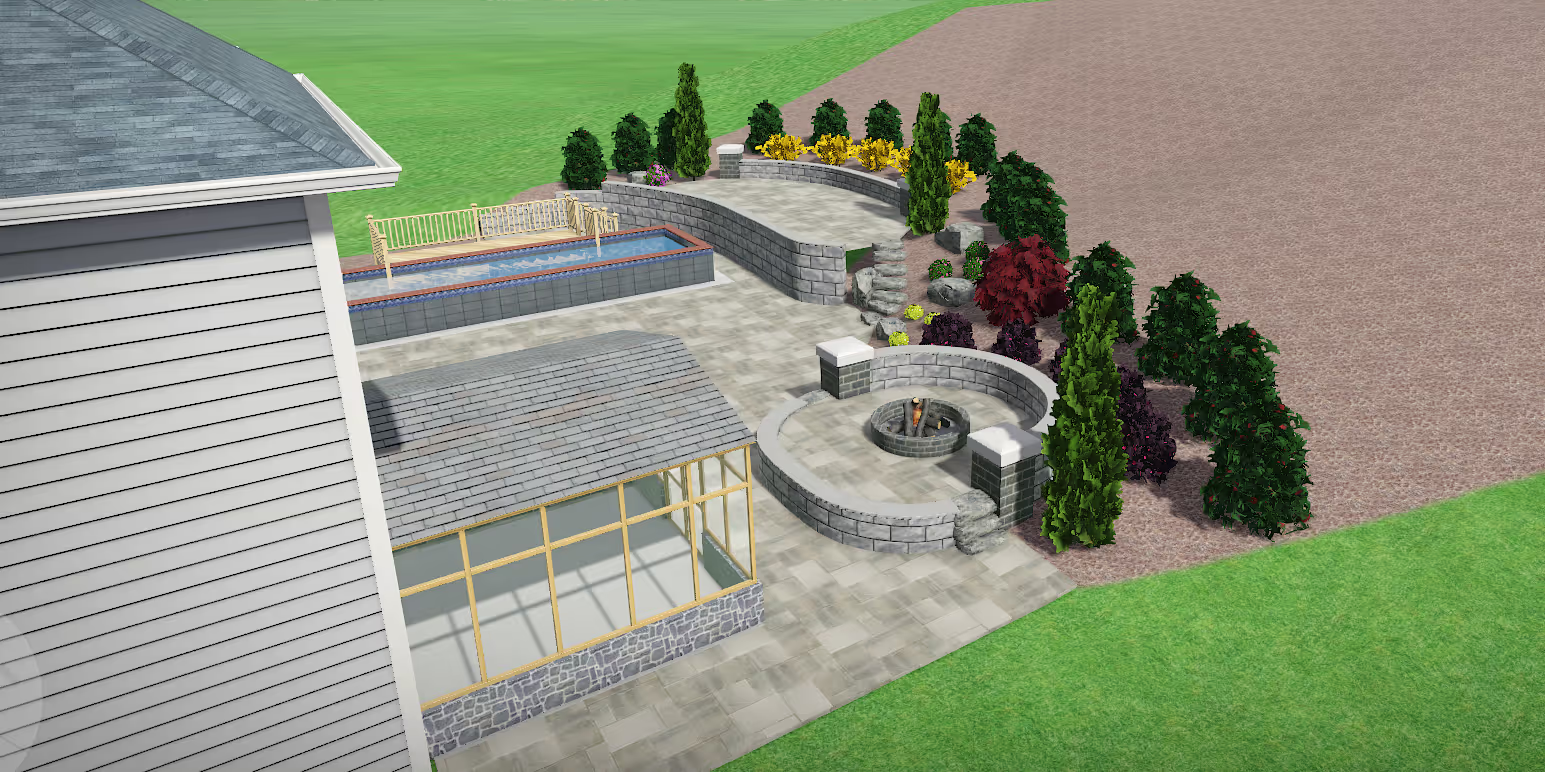
We use professional 3-D rendering software to produce a detailed visual of your finished project. You will see exactly where the patio sits, how the wall is terraced, where the fire pit lands, and what materials will be used. Multiple material and color options are shown side by side, and revisions are included until you are fully satisfied with the design.
Once the design is approved, we provide a detailed written proposal with itemized pricing. As a Belgard Authorized Contractor, we source premium materials directly and walk you through the full product line to select your paver style, color, and finish.
Site Prep and Build
Built Right From the Ground Up
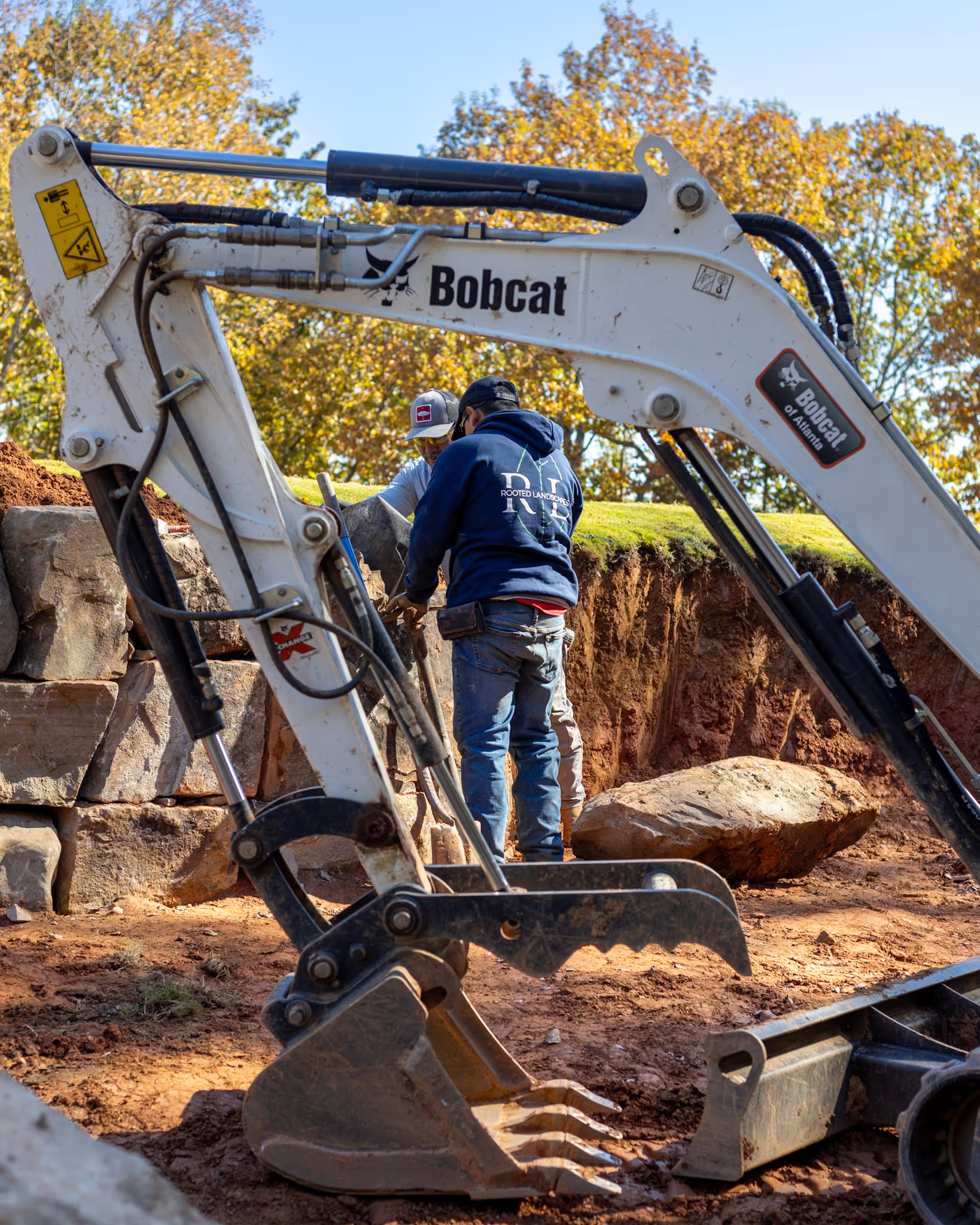
This is where most cheap hardscaping jobs cut corners. Proper excavation, grading, and base compaction are what separate a patio that holds up for thirty years from one that shifts and sinks in five. Our CMHA-certified crews are trained to do this step correctly every time, with drainage addressed before any surface work begins.
The Rooted installation team then builds your project to the approved 3-D design. Jerry stays involved throughout and is reachable directly if you have questions. The site is kept clean and organized from start to finish, and the crew shows up on time and works a full day.
Final Walkthrough
We Don’t Leave Until You Love It
We walk the finished project with you before we consider the job done. Any punch list items are addressed on the spot.
We go over care and maintenance, explain what your Belgard warranty covers, and make sure you are completely satisfied with every element of the build.
Let's Build SomethingYou’ll Love
Share your vision and we'll handle the rest.