
Boulder Retaining Walls
A boulder retaining wall holds your slope in place while looking like it belongs there. When it is designed and built correctly, it manages grade and drainage with the kind of natural presence that combines beauty and function effortlessly.

What Boulder Retaining Wall Installation Involves
Boulder walls fail for the same reasons any retaining wall fails: poor drainage, inadequate base preparation, and placement decisions made by eye rather than by the actual demands of the slope. The difference with boulders is that once they are in the ground, moving them is a significant undertaking. Getting the design and placement right the first time matters more, not less.
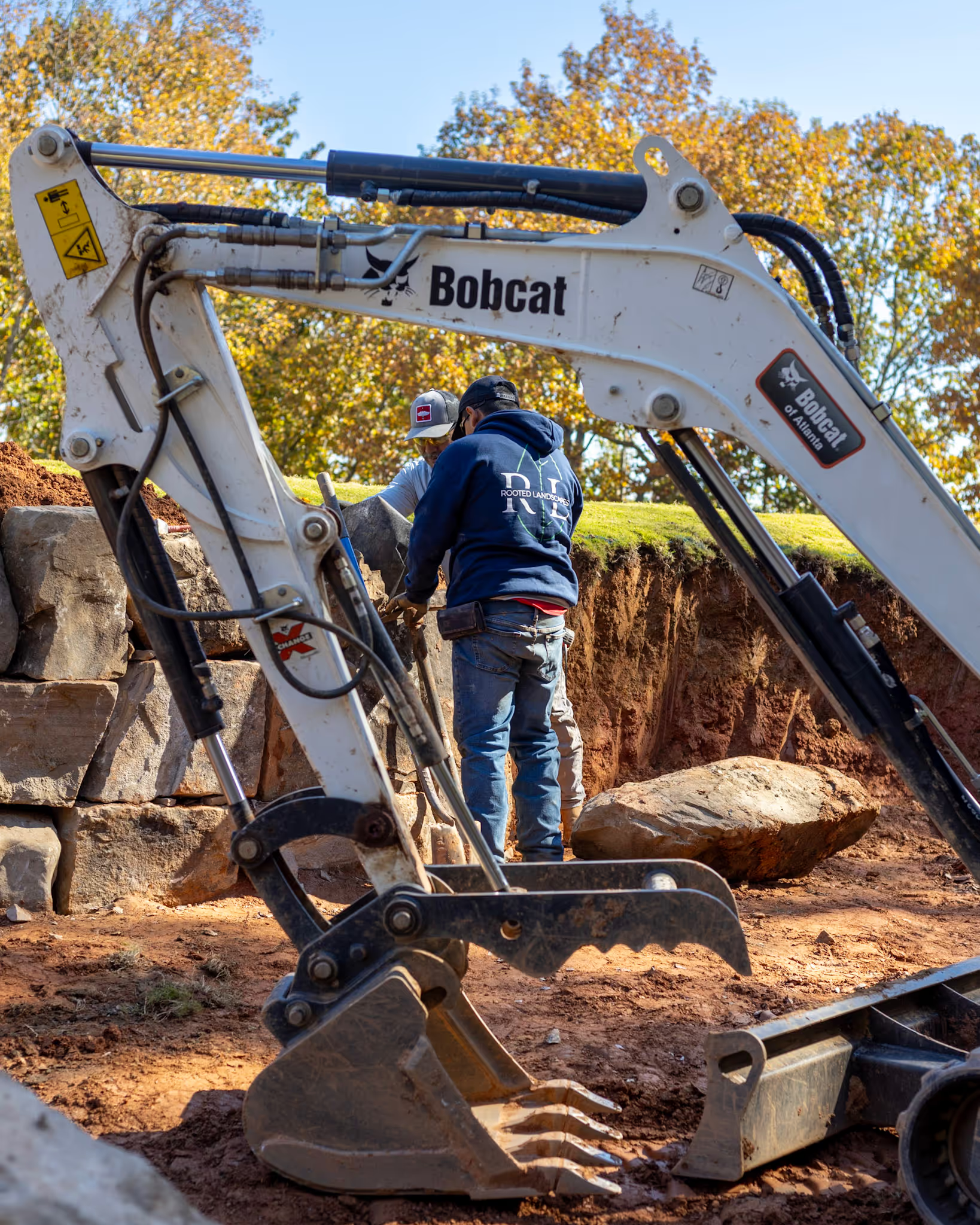
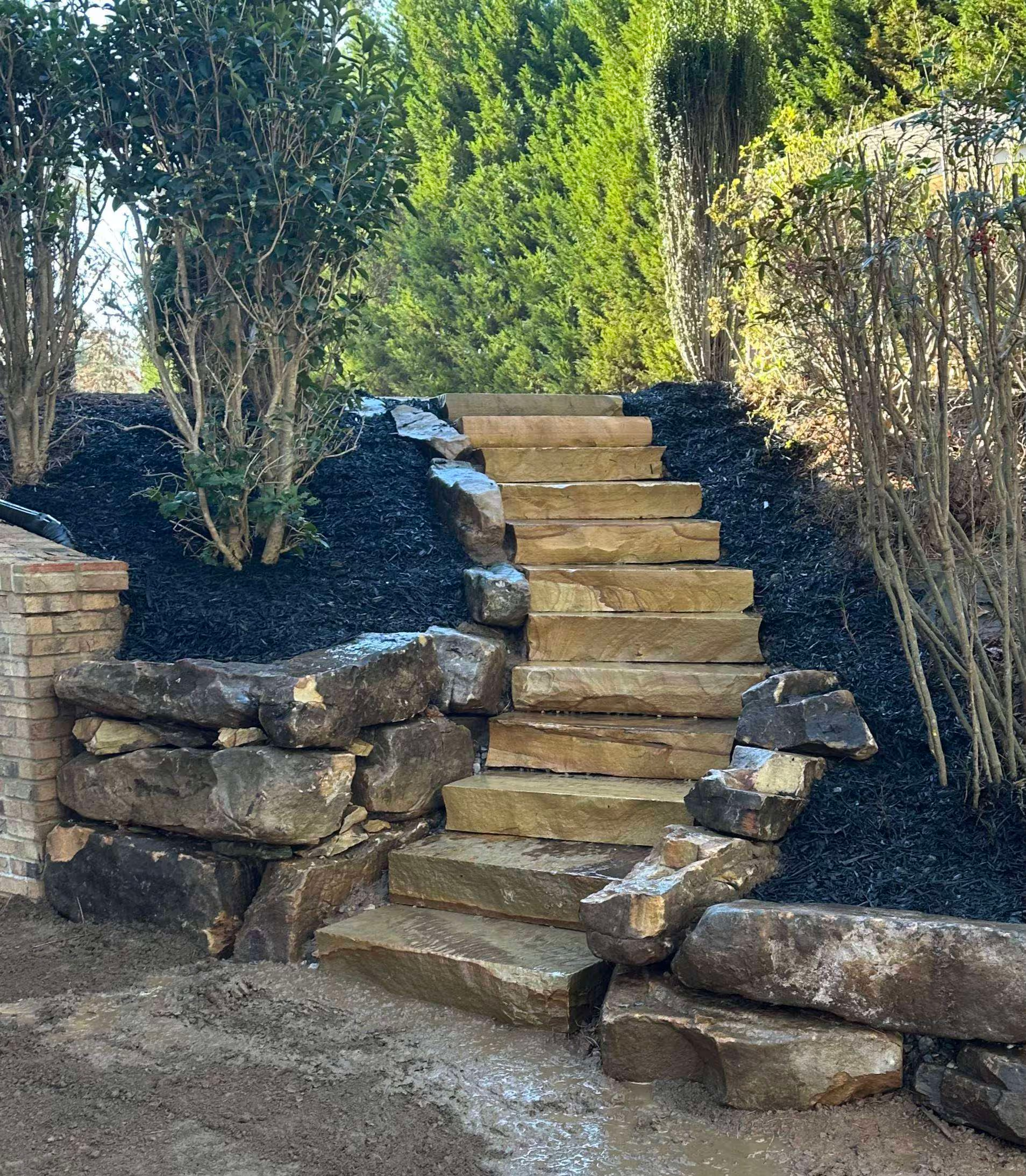
Rooted selects, positions, and sets each boulder based on the load it needs to carry, the slope it is holding, and how it will interact with the boulders around it. Proper setback, base compaction, and drainage behind the wall are addressed before and during the build, not as an afterthought. The result is a wall that holds its ground through Georgia's wet seasons and clay-heavy soil cycles while looking like it grew there naturally.
An Informational Guide to Boulder Retaining Walls
Boulder retaining walls are one of the most visually distinctive ways to manage a sloped yard. Understanding how they work helps you make better decisions before the project begins.
Scale and placement. Boulder walls work best on natural or gently irregular slopes where their organic appearance feels at home. The size of the boulders used is determined by wall height and load requirements, not aesthetics alone. Larger walls require larger stone and more precise placement to maintain structural integrity over time.
Drainage is still the priority. The mass of a boulder wall can create a false sense of security. Water that cannot move through or around the wall still builds pressure behind it. A proper gravel backfill layer and drainage management behind the wall are standard on every Rooted boulder wall installation.
Soil and site conditions. Georgia's clay-heavy soils shift seasonally, putting lateral pressure on retaining structures through wet and dry cycles. Base preparation and proper boulder setback account for those conditions before the first stone goes in the ground.
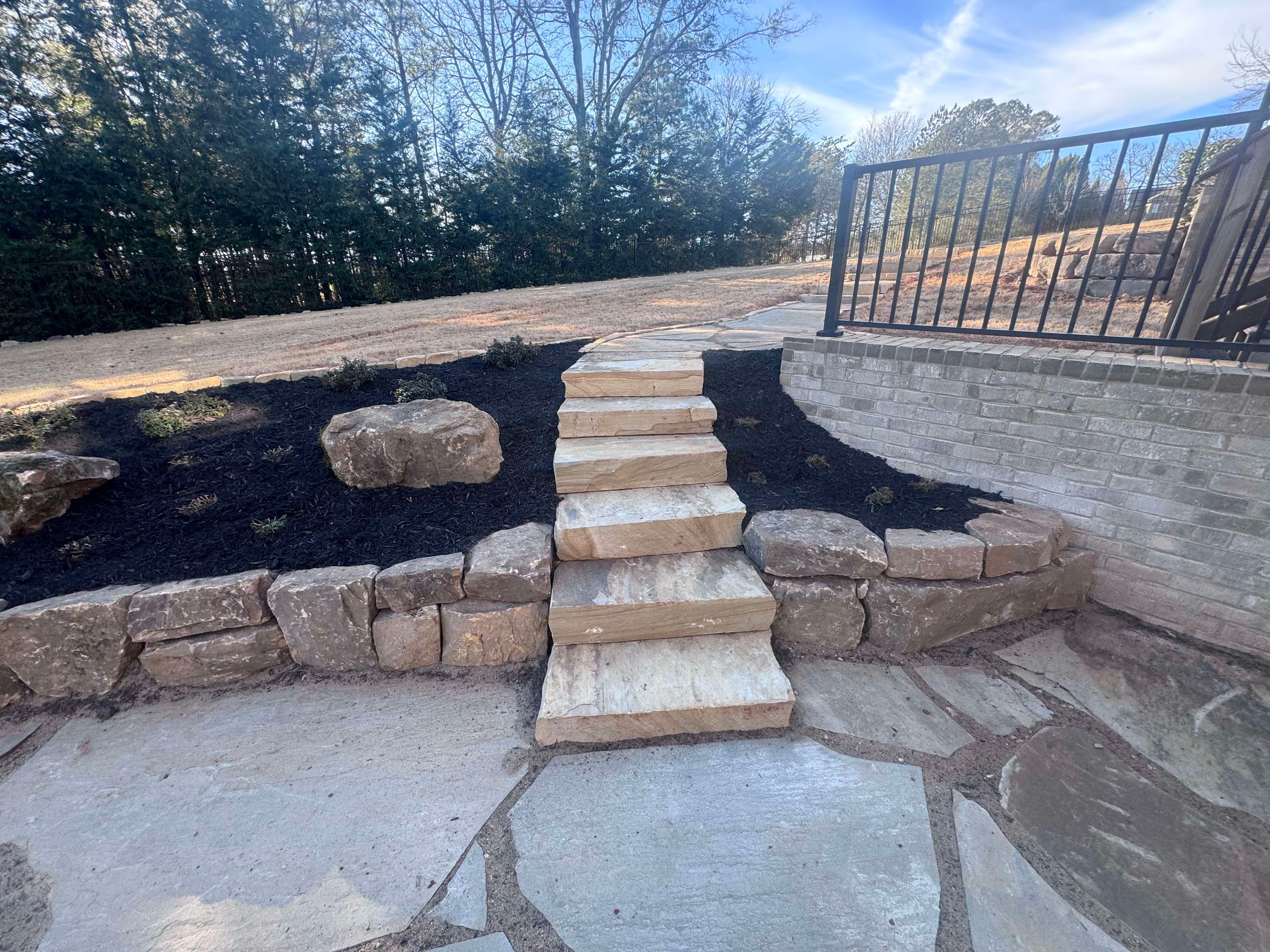
Natural variation in materials. Boulders vary in color, texture, and shape depending on the stone type selected. Common options include granite and fieldstone, each carrying a different character that can complement surrounding plantings, hardscape, and the overall aesthetic of your yard.
Permits and height. Depending on wall height and proximity to property lines, a permit may be required through your county. Rooted assesses what your specific project will require before work begins so there are no surprises mid-project.
Every Boulder Placed With a Reason
A boulder wall looks effortless when it is done well. That appearance is the result of deliberate decisions made at every stage of the build, from how the base is prepared to how each stone is angled and seated against the ones around it.
As a Belgard Authorized contractor and CMHA-certified installer, Rooted treats every boulder wall as a structural and drainage problem first, so the finished wall performs as well as it looks across decades of Georgia weather.
Ready to Transform Your Outdoor Space? Let’s Talk.
Customer Testimonials
Hear from some of our 100+ 5.0 Star Google Reviews!
Anne J.
Jerry and his team where easy to work with. They completed the job ahead of schedule and under budget. The new wall is as attractive as it is practical. Thank you and hopefully we can do another project in future!
Wayne M.
Lynn V.
Kay W.
Reb W.
FAQs
Boulder walls are built from natural stone, typically large fieldstone or granite boulders, stacked and fitted together without mortar. The result looks like it belongs on the land rather than being placed on it. Beyond aesthetics, the mass and weight of the stone is what provides structural holding power. They work especially well on properties with a more natural, wooded, or rural character where a manufactured block would look out of place.
Yes, when properly designed and installed. The key variables are stone selection, wall angle (battered walls lean slightly into the slope for added stability), base depth, and drainage behind the wall. Boulder walls have held slopes reliably for generations. The work is in the planning and placement, not just the material.
Because boulder walls are not fully mortared, they have some natural permeability. We still incorporate gravel backfill and drainage solutions to manage water flow intentionally and prevent erosion or shifting over time. Good drainage behind a boulder wall is what keeps it looking settled rather than slowly leaning.
Natural stone is one of the most durable materials available. A well-built boulder wall can last 50 years or longer with minimal maintenance. Unlike manufactured products, natural stone does not degrade or fade. The main maintenance need is monitoring for any shifting over time and keeping vegetation from growing between stones in ways that could displace them.
Yes, and it often improves it. Boulder walls can be designed to work around existing trees, plantings, and grade changes. We assess the site before any work begins to ensure the wall fits naturally into what's already there. Planting between or around boulders after installation is also a common approach that softens the look and anchors the wall visually into the landscape.
Our Hardscaping Process
Every hardscaping project is different, but our process is consistent. Here is exactly what to expect, from your first call to the day you enjoy your finished space.
.avif)
Consultation
We Come to You
We visit your property for a 30 to 60 minute walkthrough. We look at the space, talk through your vision, and assess what is actually possible given your yard, slope, drainage, and budget.
Most homeowners have a rough idea of what they want but are not sure what is realistic. This conversation usually clarifies a lot and sets the project up for success from the start.
3-D Design & Proposal
See It Before We Build It
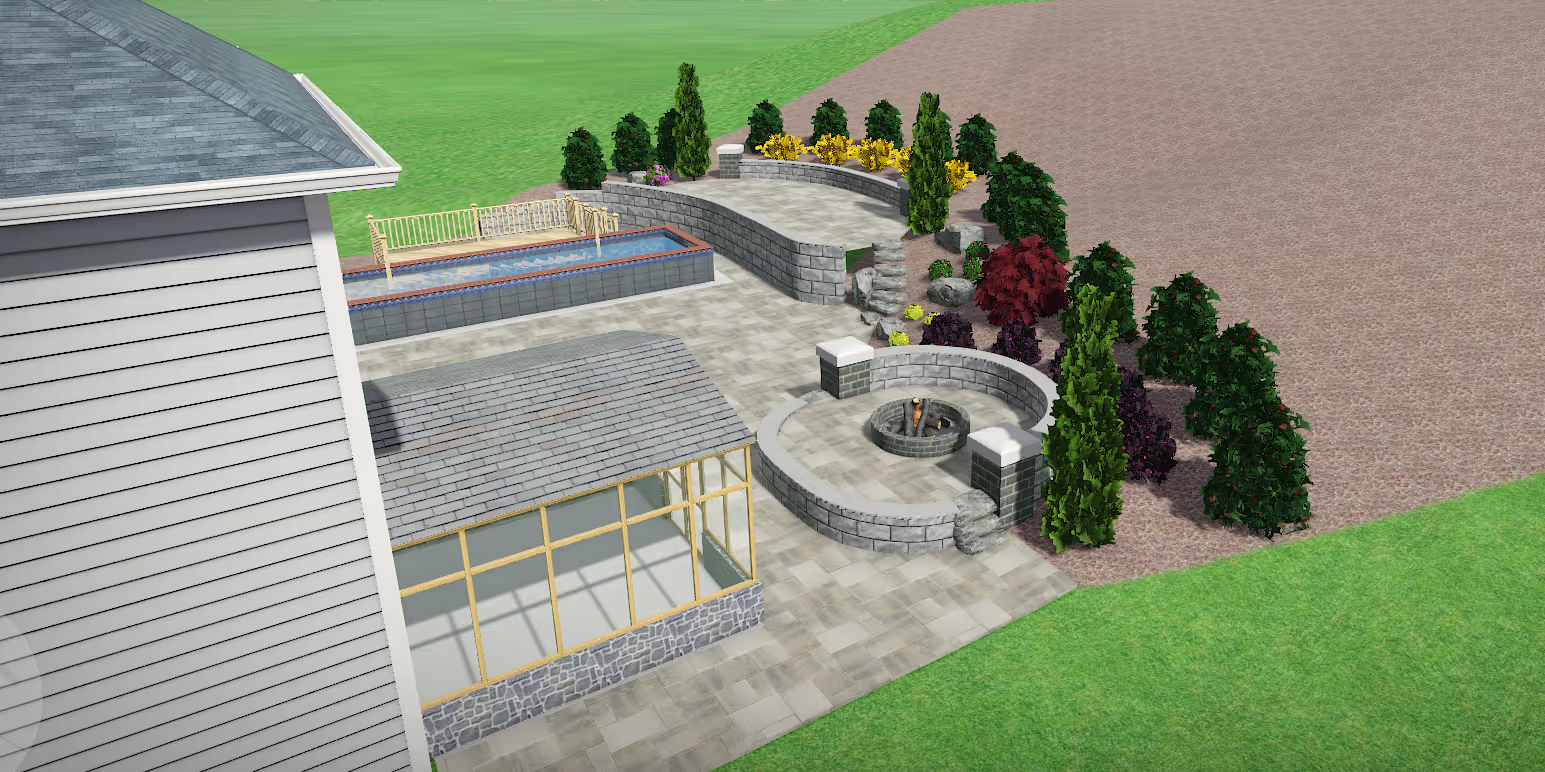
We use professional 3-D rendering software to produce a detailed visual of your finished project. You will see exactly where the patio sits, how the wall is terraced, where the fire pit lands, and what materials will be used. Multiple material and color options are shown side by side, and revisions are included until you are fully satisfied with the design.
Once the design is approved, we provide a detailed written proposal with itemized pricing. As a Belgard Authorized Contractor, we source premium materials directly and walk you through the full product line to select your paver style, color, and finish.
Site Prep and Build
Built Right From the Ground Up
This is where most cheap hardscaping jobs cut corners. Proper excavation, grading, and base compaction are what separate a patio that holds up for thirty years from one that shifts and sinks in five. Our CMHA-certified crews are trained to do this step correctly every time, with drainage addressed before any surface work begins.
The Rooted installation team then builds your project to the approved 3-D design. Jerry stays involved throughout and is reachable directly if you have questions. The site is kept clean and organized from start to finish, and the crew shows up on time and works a full day.
Final Walkthrough
We Don’t Leave Until You Love It
We walk the finished project with you before we consider the job done. Any punch list items are addressed on the spot.
We go over care and maintenance, explain what your Belgard warranty covers, and make sure you are completely satisfied with every element of the build.
Let's Build SomethingYou’ll Love
Share your vision and we'll handle the rest.