
Modular Retaining Walls
A retaining wall does the structural work that makes the rest of your yard possible. When it is designed and built correctly, it holds your slope in place, controls where water goes, and gives you usable flat space where there was none.
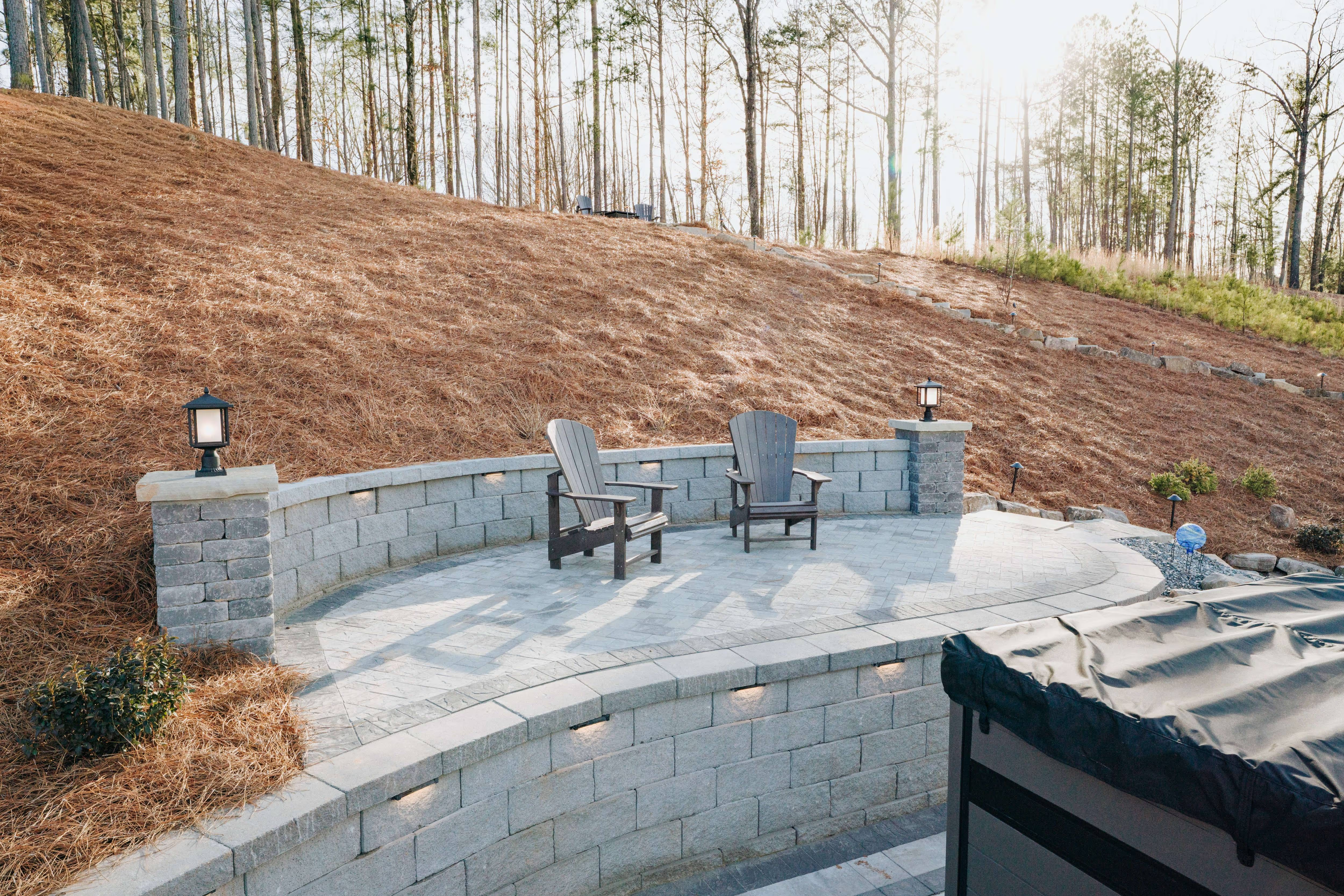
What Modular Retaining Wall Installation Involves
Retaining walls fail when they are treated as a landscaping decision instead of an engineering one. A wall that is not properly designed for the load it is holding, the soil behind it, and the water that needs to move through and around it will lean, crack, or collapse within a few years regardless of how good the materials are.
Modular retaining walls use interlocking concrete block engineered specifically for earth retention. The system allows for precise grading, proper batter, and integrated drainage behind the wall, which is where most failures start. Rooted sizes, spaces, and builds every wall to handle the actual conditions of your yard, not a generic estimate of what looks close enough.
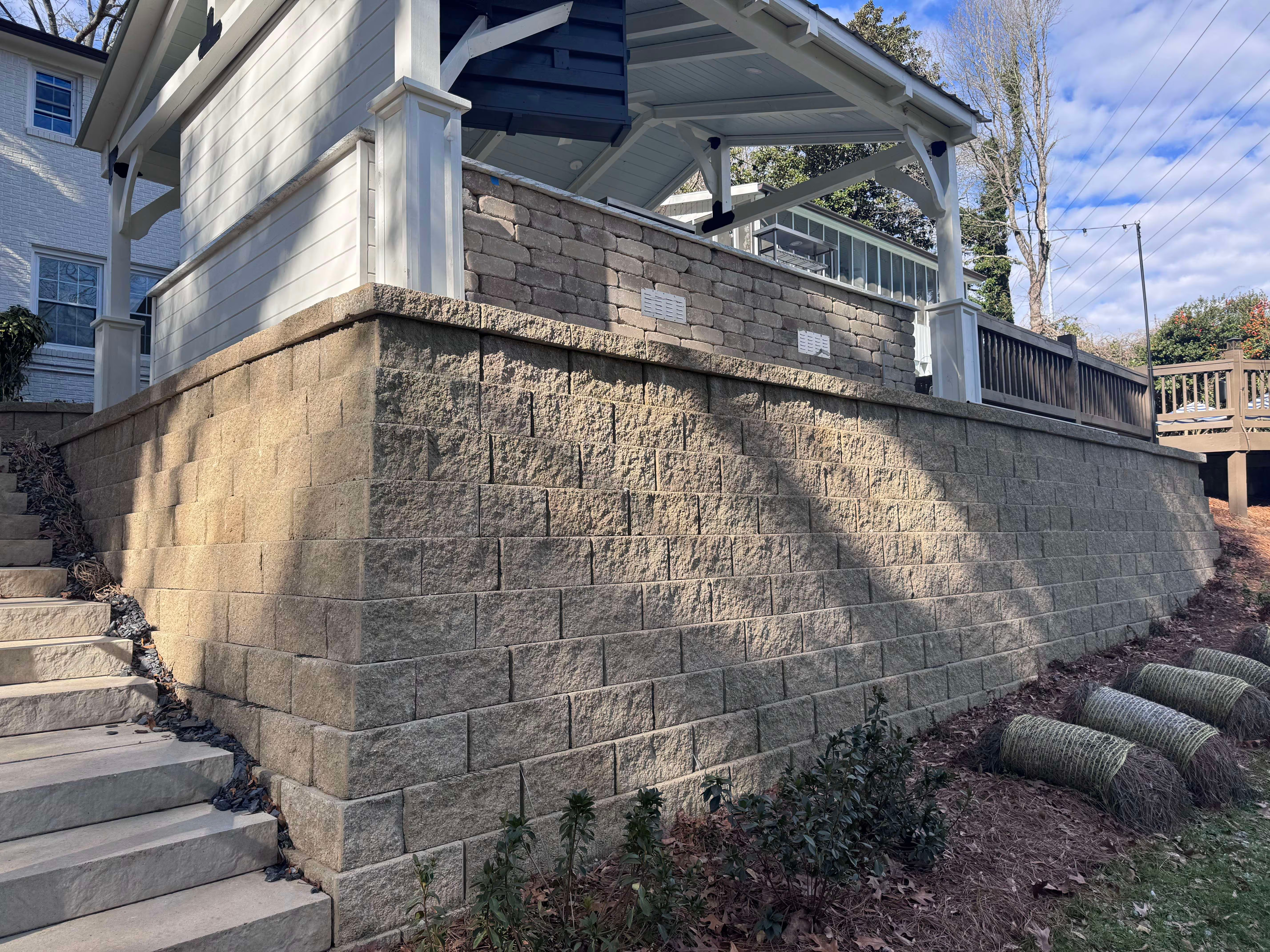
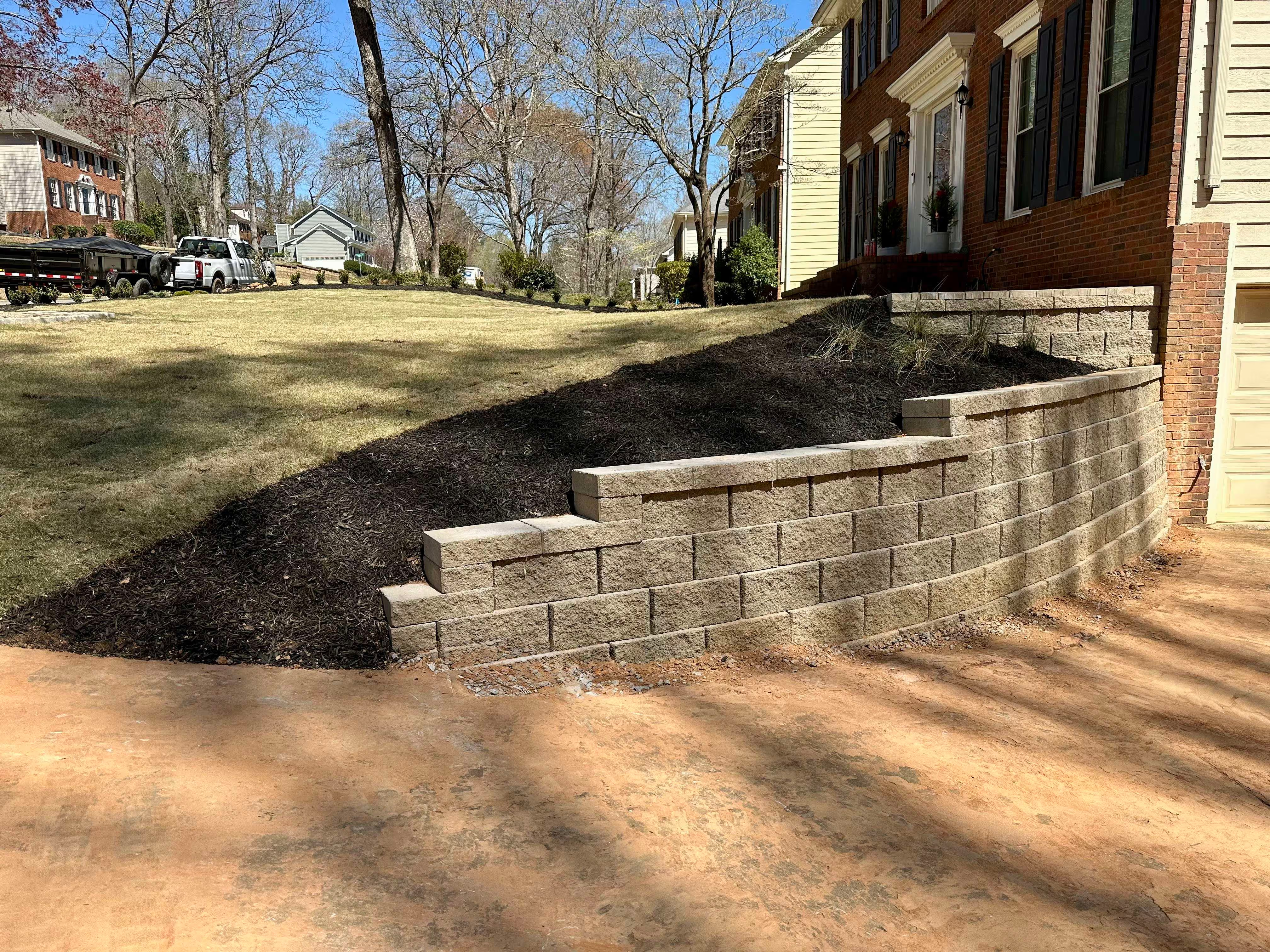
An Informational Guide to Modular Retaining Walls
Modular retaining walls are one of the most practical investments a homeowner can make in a sloped yard. Understanding how they work helps you make better decisions before the project begins.
Height and tiering. Walls over a certain height require engineering review and in some cases a permit depending on your county. Taller slopes are often addressed with tiered walls separated by planted terraces, which distributes the load and creates usable planting space between levels.
Drainage is not optional. Water that cannot move through or around a retaining wall builds hydrostatic pressure behind it. Over time that pressure will push the wall forward regardless of how well it was built. A proper gravel backfill layer and perforated drain pipe behind the wall are standard on every Rooted installation.
Material options. Modular concrete block comes in a range of profiles, textures, and colors designed to complement natural stone, brick, and other hardscape materials. Common options include tumbled block for a more natural appearance and smooth-faced block for a cleaner contemporary look.
Soil type matters. Georgia's clay-heavy soils expand when wet and contract when dry, which puts lateral pressure on walls through seasonal cycles. Proper base preparation and compaction account for this before the first course is set.
Good Walls Start Below the Surface
Most retaining wall problems are not visible on the surface. They are happening behind the wall, in the soil and water that the wall was never properly designed to manage.
As a Belgard Authorized contractor and CMHA-certified installer, Rooted approaches every retaining wall as a drainage and engineering problem first, so the finished wall handles what Georgia's rain seasons and clay-heavy soils will actually throw at it over the next several decades.
Ready to Transform Your Outdoor Space? Let’s Talk.
Customer Testimonials
Hear from some of our 100+ 5.0 Star Google Reviews!
Anne J.
Jerry and his team where easy to work with. They completed the job ahead of schedule and under budget. The new wall is as attractive as it is practical. Thank you and hopefully we can do another project in future!
Wayne M.
Lynn V.
Kay W.
Reb W.
FAQs
A modular retaining wall is built from interlocking concrete or stone blocks engineered to hold back soil without mortar. They're a strong fit for residential properties that need a structured, clean look alongside real holding power. If you're managing a sloped yard, creating level planting beds, or trying to reclaim usable space on a grade, modular walls deliver the durability to do it right and the design flexibility to look intentional doing it.
In most cases, yes. Walls over a certain height (typically four feet from the base) require a permit and sometimes an engineering review depending on your county. We handle the assessment upfront so you know what's required before work begins, and we can assist with the permitting process.
Drainage is where a lot of DIY and low-cost installs fail. We use gravel backfill, perforated drainage pipe, and weep holes to move water away from the wall consistently. Without this, hydrostatic pressure builds up behind the wall and breaks it down over time, no matter how solid the blocks are.
A properly installed modular wall with good drainage and a solid foundation should last 30 to 50 years or more. The blocks themselves are highly durable. Longevity comes down to the quality of the base prep, drainage system, and installation, which is where cutting corners shows up eventually.
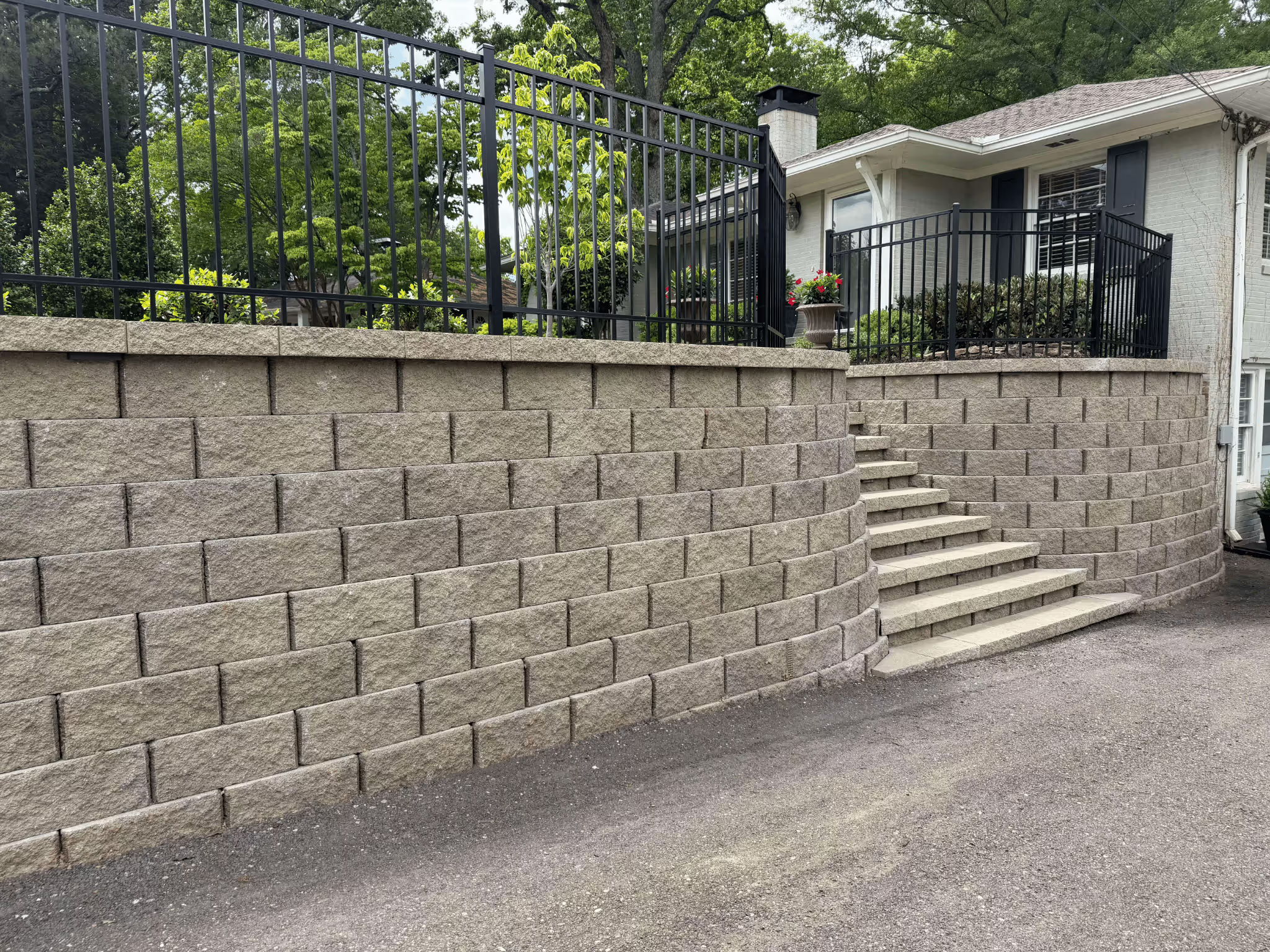
Yes, and this is one of the strengths of the modular system. The block format makes it straightforward to integrate steps, built-in planters, or tiered seating areas into the same structure. It's a practical way to add function and visual interest to a sloped space rather than just solving the grade problem.
Our Hardscaping Process
Every hardscaping project is different, but our process is consistent. Here is exactly what to expect, from your first call to the day you enjoy your finished space.
.avif)
Consultation
We Come to You
We visit your property for a 30 to 60 minute walkthrough. We look at the space, talk through your vision, and assess what is actually possible given your yard, slope, drainage, and budget.
Most homeowners have a rough idea of what they want but are not sure what is realistic. This conversation usually clarifies a lot and sets the project up for success from the start.
3-D Design & Proposal
See It Before We Build It
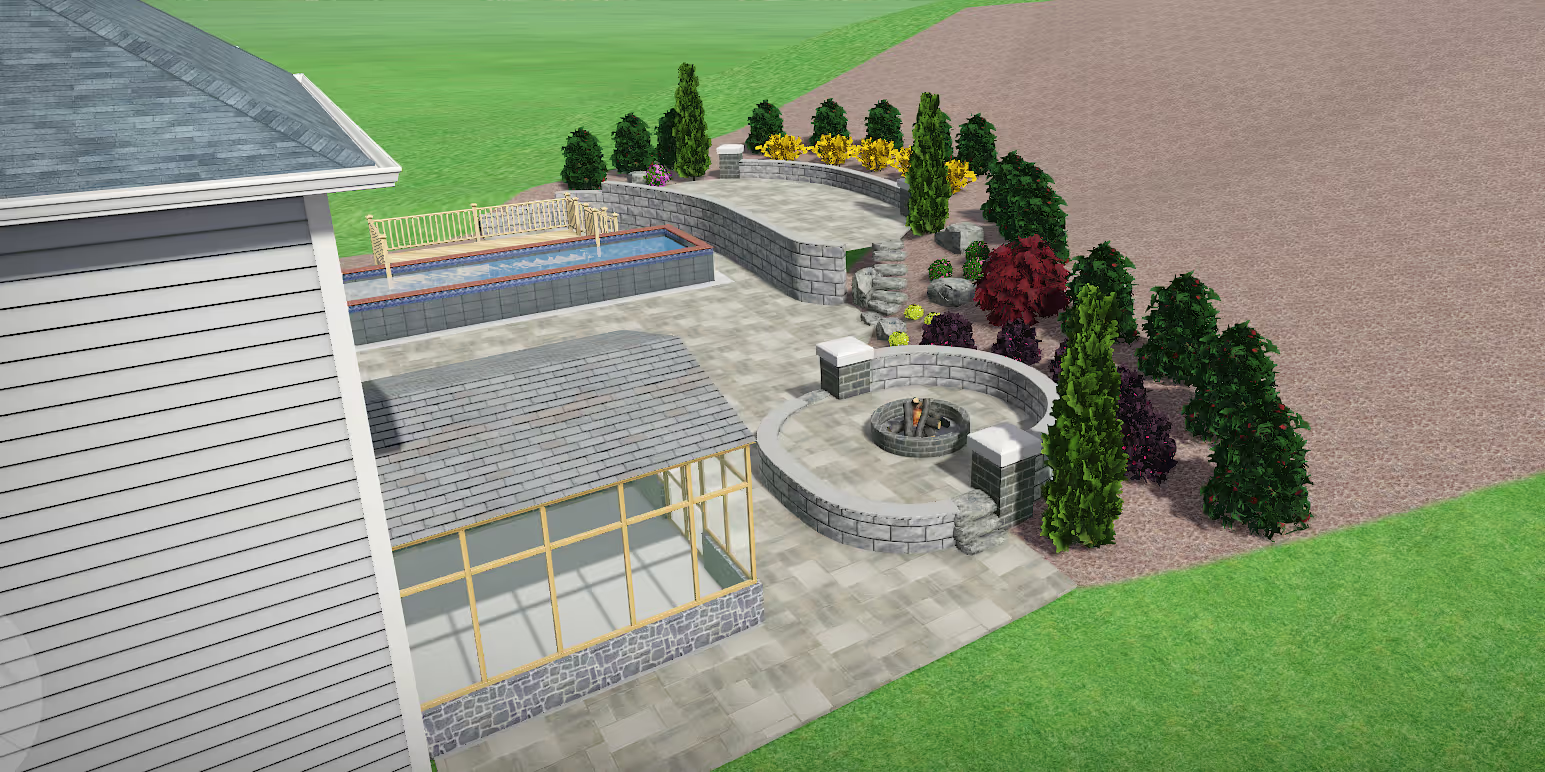
We use professional 3-D rendering software to produce a detailed visual of your finished project. You will see exactly where the patio sits, how the wall is terraced, where the fire pit lands, and what materials will be used. Multiple material and color options are shown side by side, and revisions are included until you are fully satisfied with the design.
Once the design is approved, we provide a detailed written proposal with itemized pricing. As a Belgard Authorized Contractor, we source premium materials directly and walk you through the full product line to select your paver style, color, and finish.
Site Prep and Build
Built Right From the Ground Up
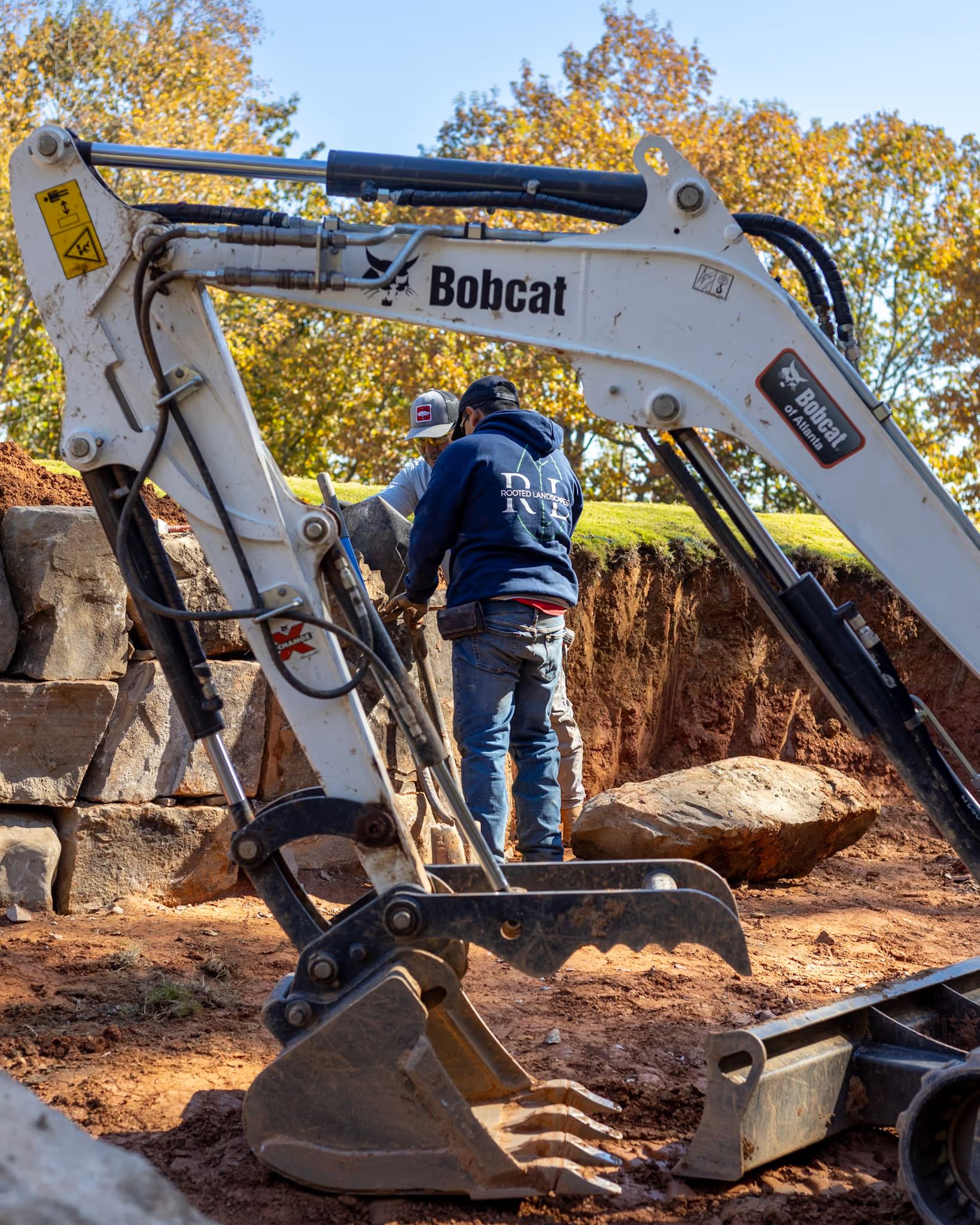
This is where most cheap hardscaping jobs cut corners. Proper excavation, grading, and base compaction are what separate a patio that holds up for thirty years from one that shifts and sinks in five. Our CMHA-certified crews are trained to do this step correctly every time, with drainage addressed before any surface work begins.
The Rooted installation team then builds your project to the approved 3-D design. Jerry stays involved throughout and is reachable directly if you have questions. The site is kept clean and organized from start to finish, and the crew shows up on time and works a full day.
Final Walkthrough
We Don’t Leave Until You Love It
We walk the finished project with you before we consider the job done. Any punch list items are addressed on the spot.
We go over care and maintenance, explain what your Belgard warranty covers, and make sure you are completely satisfied with every element of the build.

Let's Build SomethingYou’ll Love
Share your vision and we'll handle the rest.