
Flagstone Patios & Walkways
Flagstone brings a character to an outdoor space that manufactured materials cannot replicate. Every surface is one of a kind because every stone is, and when it is laid correctly it will outlast nearly anything else you can put in your yard.
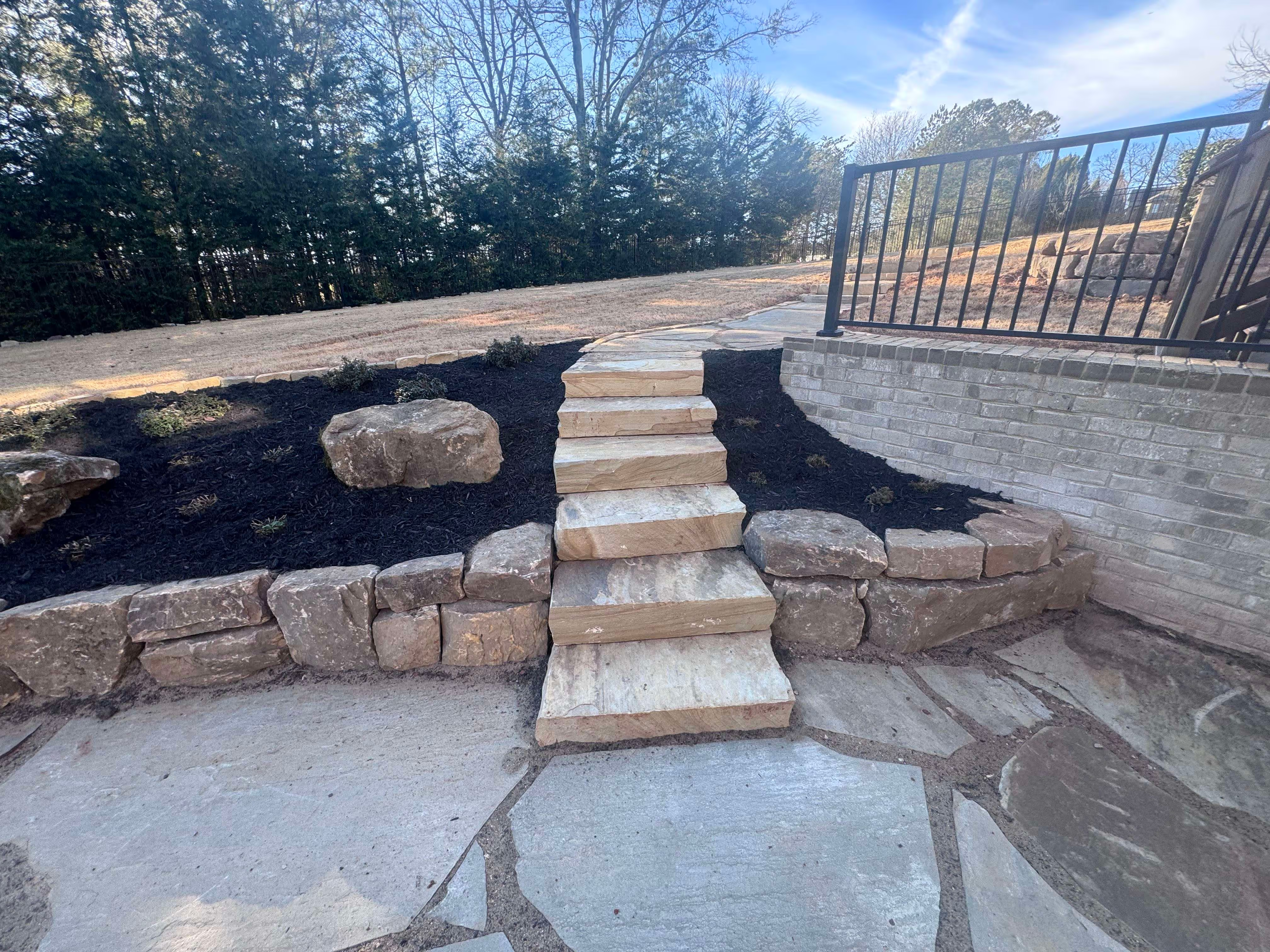
What Flagstone Installation Involves
Flagstone is one of the oldest hardscape materials in use for good reason. It handles Georgia's heat, handles freeze cycles, and gets more visually interesting over time rather than less. But it is also one of the more demanding materials to install correctly because no two pieces are the same shape, thickness, or weight, and every joint, every transition, and every stone has to be worked out on site.
Rooted installs flagstone on either a dry-set or mortar-set base depending on the application, the site conditions, and the look you are after. Dry-set flagstone allows for natural movement and a more relaxed aesthetic with ground cover or gravel in the joints. Mortar-set flagstone creates a tighter, more formal surface with filled joints and a cleaner edge. Both require proper base preparation and drainage to perform the way they should over the long term.
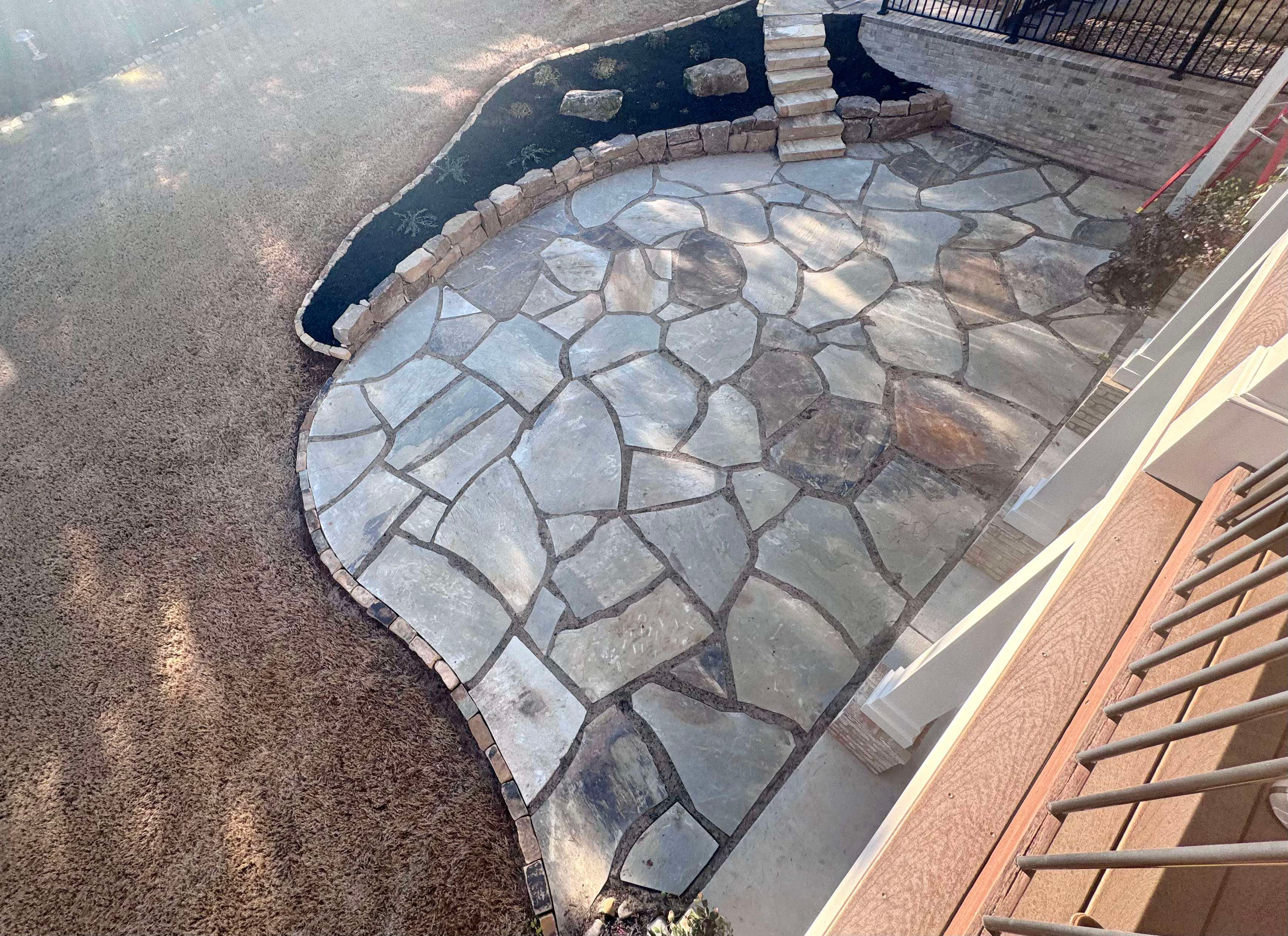
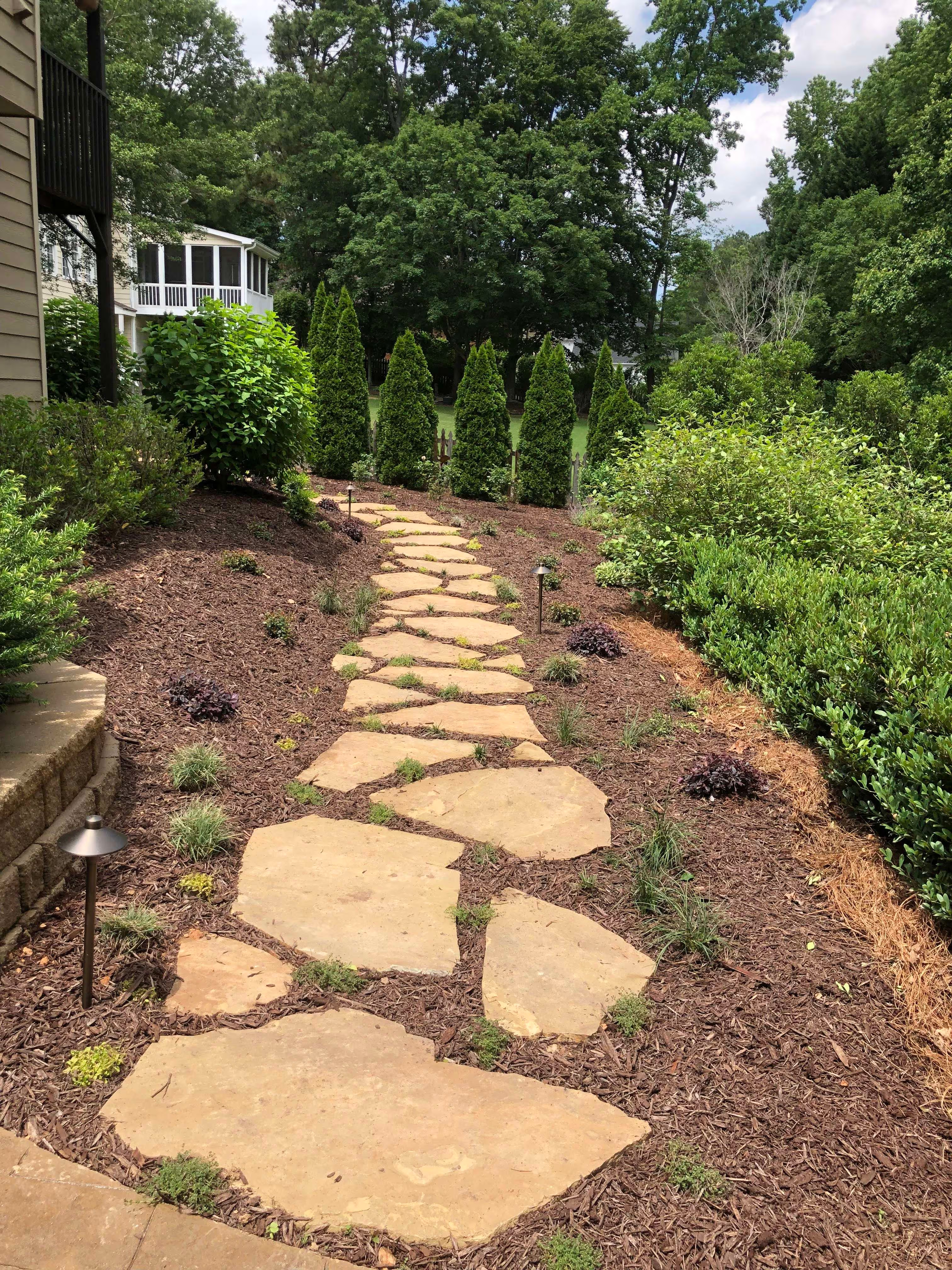
An Informational Guide to Flagstone Patios &Walkways
Flagstone is a broad category that covers several different stone types, installation methods, and joint treatments. Understanding the basics helps you make decisions that fit your yard, your lifestyle, and your long-term maintenance expectations.
Stone type affects everything. Common flagstone options include bluestone, Tennessee crab orchard, slate, and limestone. Each carries a different color range, texture, and porosity. Some are better suited to high-traffic areas. Some absorb more moisture and require sealing in climates with hard freeze cycles. Rooted helps you select a stone that performs well in Georgia's specific conditions and complements the rest of your outdoor space.
Dry-set versus mortar-set. Dry-set flagstone sits on a compacted gravel and sand base with open joints filled by ground cover, gravel, or polymeric sand. It allows for natural movement and is easier to repair if a stone needs to be reset. Mortar-set flagstone is adhered to a concrete base with filled joints, creating a tighter surface that works well for formal patios and covered outdoor living areas. The right choice depends on your site, your drainage, and the look you want.
Irregular versus cut flagstone. Natural irregular flagstone has the organic, puzzle-piece look most people picture. Cut flagstone is trimmed to more consistent shapes and sizes for a cleaner, more geometric layout. Both are natural stone. The difference is in the aesthetic and the labor required to fit and lay them.
Moss and patina are features, not problems. In shaded areas, flagstone will develop moss and a natural patina over time. Many homeowners consider this part of the appeal. If you prefer a cleaner surface, stone selection and joint treatment can reduce how quickly this develops.
Maintenance expectations. Flagstone is low maintenance relative to wood or composite decking, but it is not maintenance free. Mortar joints can develop hairline cracks over time and may need occasional attention. Dry-set stones can shift slightly and be reset without disturbing the surrounding surface.
No Two Flagstone Surfaces Are the Same, and That Is the Point
Working with natural stone means making hundreds of small decisions on site that no rendering can fully anticipate. Which stone goes where. How the joints flow. Where a larger piece anchors a transition. How the edge resolves at the lawn or the garden bed. These are judgment calls that determine whether a flagstone surface looks like it was designed for your yard or assembled from whatever was left on the pallet.Rooted selects and fits every stone on site with the finished surface in mind from the first piece to the last.
As a Belgard Authorized contractor and CMHA-certified installer, the base preparation and drainage work that goes in before any stone is placed follows the same standards we apply to every hardscape installation, because flagstone that shifts, cracks, or pools water is a base problem, not a stone problem.
Ready to Transform Your Outdoor Space? Let’s Talk.
Customer Testimonials
Hear from some of our 100+ 5.0 Star Google Reviews!
Anne J.
Jerry and his team where easy to work with. They completed the job ahead of schedule and under budget. The new wall is as attractive as it is practical. Thank you and hopefully we can do another project in future!
Wayne M.
Lynn V.
Kay W.
Reb W.
FAQs
Flagstone refers to natural stone that has been cut or split into flat slabs for use as a paving surface. Common varieties include bluestone, travertine, slate, and limestone, each with its own color range and character. What makes flagstone a particularly compelling choice is that no two installations look exactly alike. The natural variation in color, texture, and shape gives a flagstone surface a quality that manufactured materials replicate but never fully match. It also holds up exceptionally well over time, and in the right setting it looks better as it ages rather than showing wear the way some other materials do.
Dry-laid flagstone is set on a compacted gravel and sand base without mortar, allowing for natural drainage between the stones and some flexibility in the surface over time. It tends to work well in informal garden settings and blends naturally into planted landscapes. Mortar-set flagstone is adhered to a concrete base, producing tighter joints, a more refined appearance, and a more stable surface underfoot. It is typically the better fit for formal patios, high-traffic areas, and installations where a clean, consistent look is the priority. We assess your site conditions and goals to recommend the right approach for your specific project.
Natural stone is non-porous to varying degrees depending on the variety, so drainage is managed through the slope and base design rather than the material itself. We grade every flagstone installation to direct water away from structures and prevent pooling on the surface. Dry-laid installations have the added benefit of allowing some water to move through the joints and into the base below. In areas with significant drainage challenges, we address those conditions at the base preparation stage before any stone is set.
Flagstone typically carries a higher material and labor cost than concrete pavers due to the nature of working with natural stone, which requires more skill to cut, fit, and set well. The tradeoff is a look and feel that is distinctly higher-end and a surface that can last generations when properly installed. Pavers offer more uniformity and are often more budget-friendly for larger areas. For homeowners weighing the two, it often comes down to the aesthetic priority and where the project sits within the broader landscape budget. We can walk you through both options in the context of your specific project.
Flagstone is low maintenance relative to the investment. Keeping the surface clear of debris and addressing any vegetation growing in the joints is the primary ongoing task. Polymeric sand or mortar in the joints significantly reduces weed penetration. Sealing is optional but can enhance color and provide added protection against staining, particularly for lighter stone varieties. Individual stones that shift or crack over time can be reset or replaced without disturbing the surrounding installation. An annual look at the overall surface condition is usually all that is needed to keep a well-installed flagstone patio or walkway performing for the long term.
Our Hardscaping Process
Every hardscaping project is different, but our process is consistent. Here is exactly what to expect, from your first call to the day you enjoy your finished space.
.avif)
Consultation
We Come to You
We visit your property for a 30 to 60 minute walkthrough. We look at the space, talk through your vision, and assess what is actually possible given your yard, slope, drainage, and budget.
Most homeowners have a rough idea of what they want but are not sure what is realistic. This conversation usually clarifies a lot and sets the project up for success from the start.
3-D Design & Proposal
See It Before We Build It
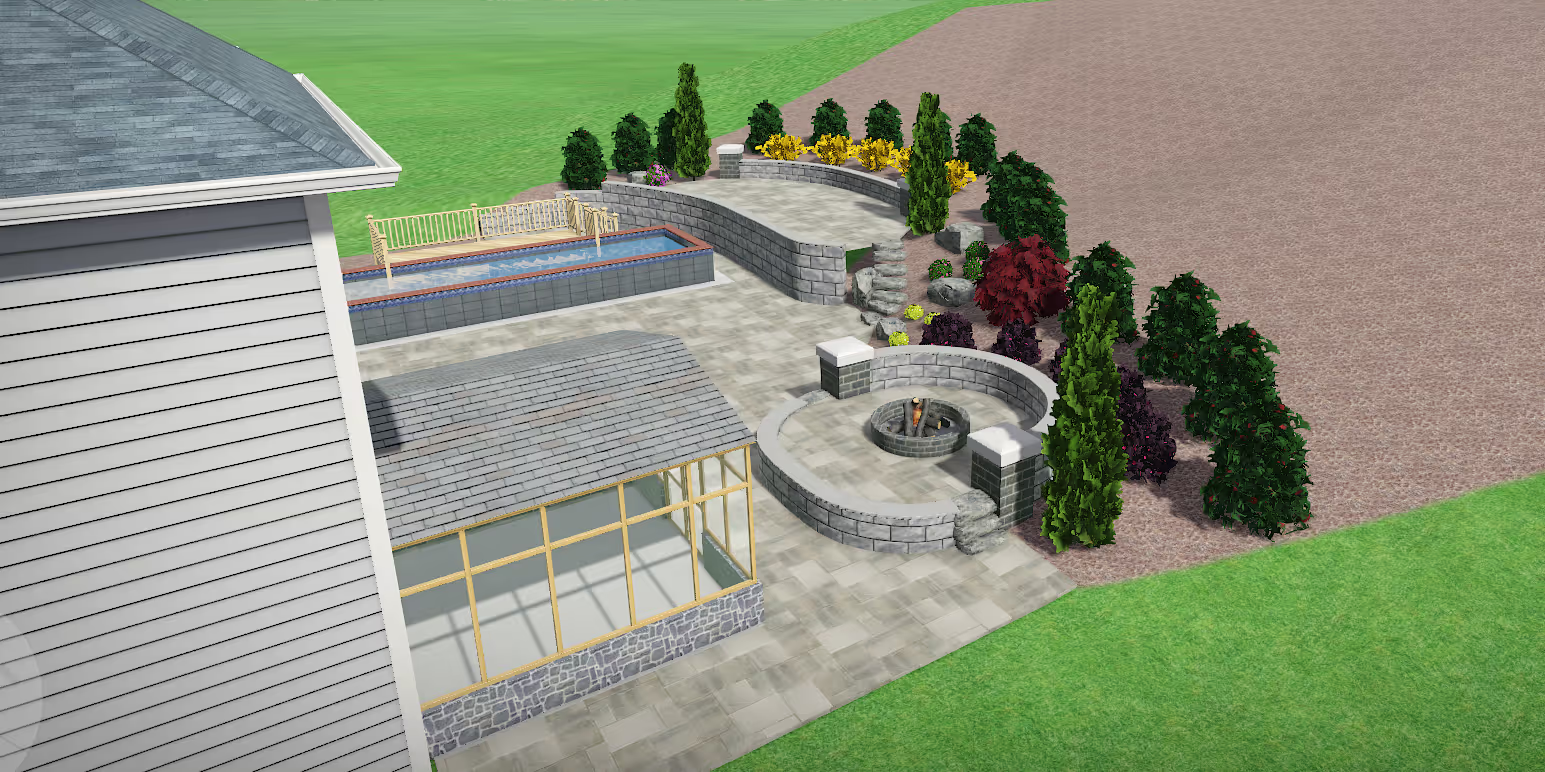
We use professional 3-D rendering software to produce a detailed visual of your finished project. You will see exactly where the patio sits, how the wall is terraced, where the fire pit lands, and what materials will be used. Multiple material and color options are shown side by side, and revisions are included until you are fully satisfied with the design.
Once the design is approved, we provide a detailed written proposal with itemized pricing. As a Belgard Authorized Contractor, we source premium materials directly and walk you through the full product line to select your paver style, color, and finish.
Site Prep and Build
Built Right From the Ground Up
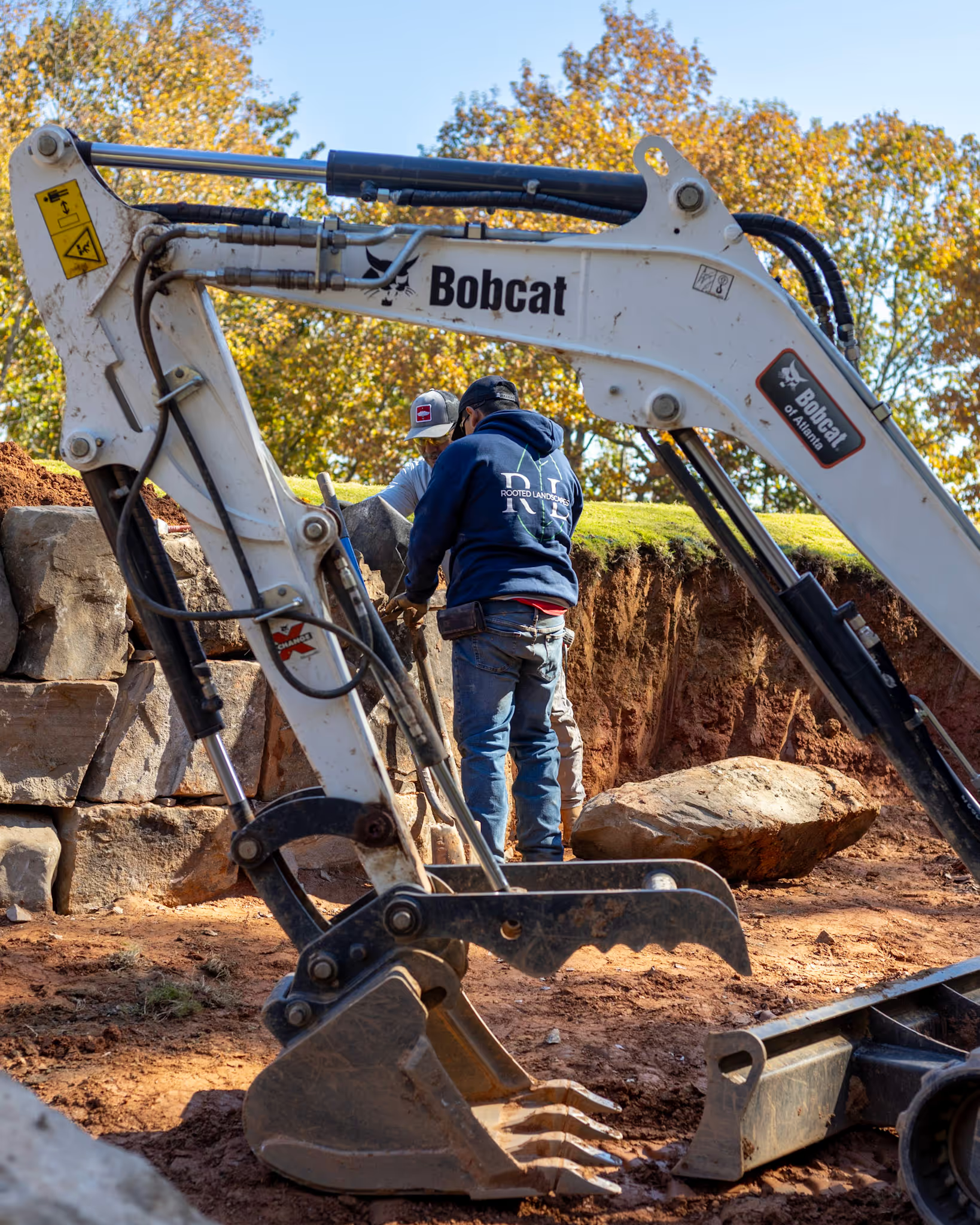
This is where most cheap hardscaping jobs cut corners. Proper excavation, grading, and base compaction are what separate a patio that holds up for thirty years from one that shifts and sinks in five. Our CMHA-certified crews are trained to do this step correctly every time, with drainage addressed before any surface work begins.
The Rooted installation team then builds your project to the approved 3-D design. Jerry stays involved throughout and is reachable directly if you have questions. The site is kept clean and organized from start to finish, and the crew shows up on time and works a full day.
Final Walkthrough
We Don’t Leave Until You Love It
We walk the finished project with you before we consider the job done. Any punch list items are addressed on the spot.
We go over care and maintenance, explain what your Belgard warranty covers, and make sure you are completely satisfied with every element of the build.

Let's Build SomethingYou’ll Love
Share your vision and we'll handle the rest.