
Artificial Turf
Artificial turf has come a long way from the carpet-like surfaces of a decade ago. When the right product is selected and installed correctly, it looks and feels close enough to natural grass that the main thing most people notice is that it stays green without any of the work.
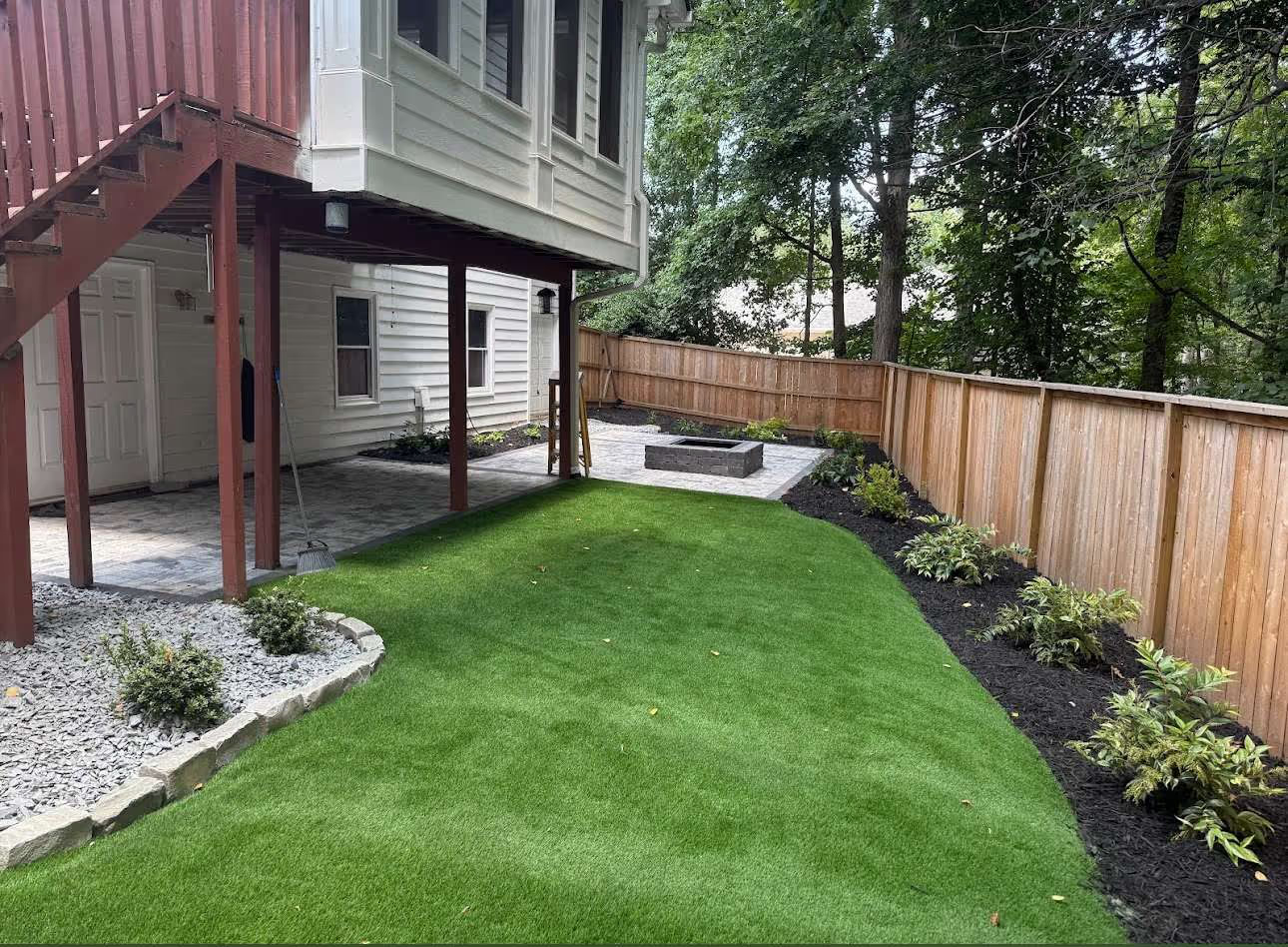
What Artificial Turf Installation Involves
Artificial turf fails for the same reasons natural sod fails: the ground underneath it was not properly prepared. A turf surface installed over poorly graded, inadequately compacted, or improperly drained ground will develop low spots, hold water, and feel uneven underfoot within a season or two regardless of how good the turf product itself is. The installation is the part that determines how the finished surface performs, and most of it happens before the turf ever arrives on site.
Rooted prepares every artificial turf installation from the ground up. Existing vegetation is removed, the area is excavated and graded to ensure proper drainage, a compacted aggregate base is installed to create a firm and stable surface, and the turf is cut, seamed, and secured with the finished look and long term performance in mind. Infill material is applied and brushed in to support the turf fibers, maintain the natural appearance, and provide the cushion and stability the surface needs underfoot. Every installation is finished with clean, secure edges that hold their shape and do not lift or curl over time.
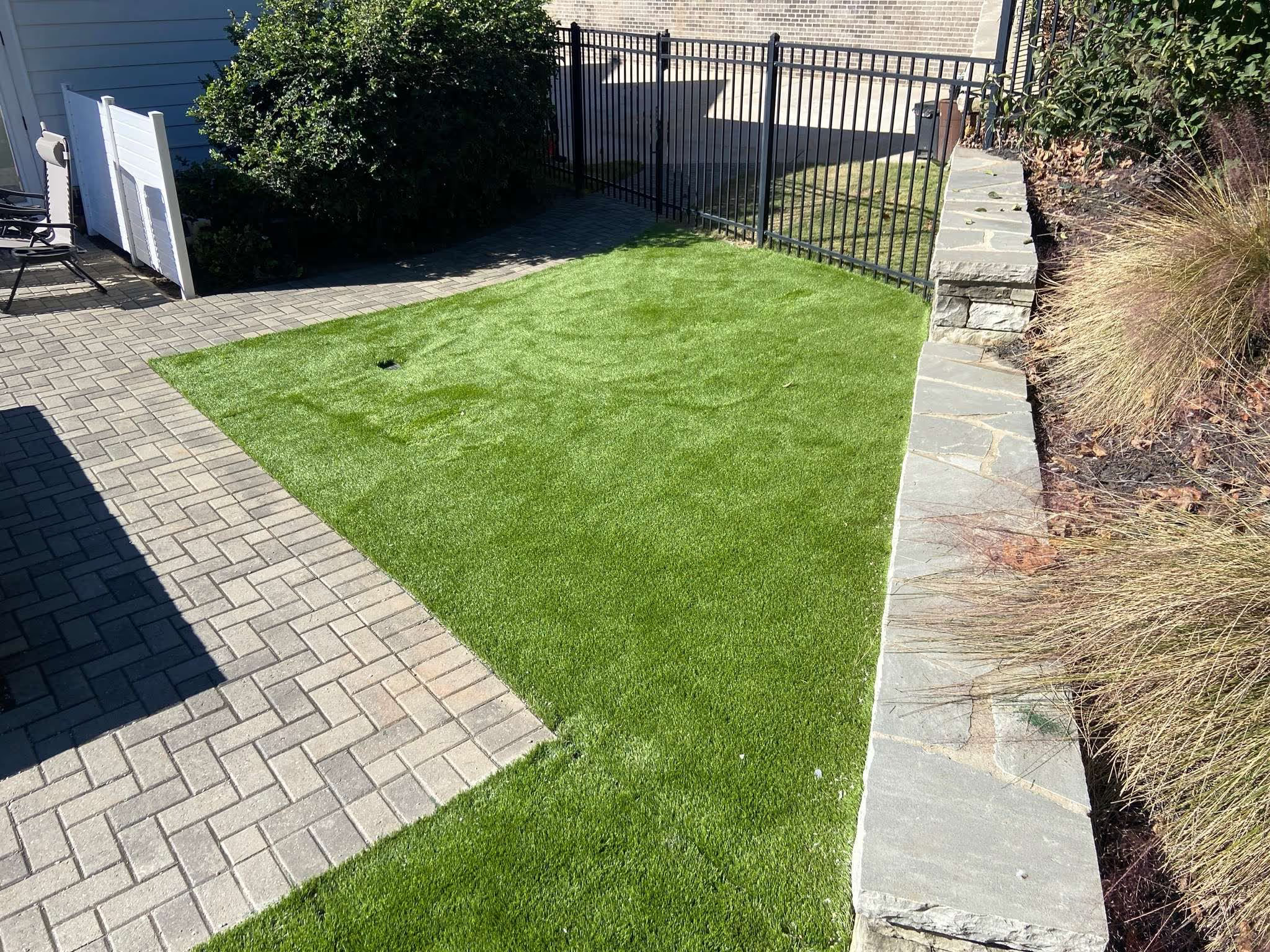

An Informational Guide to Artificial Turf
Artificial turf is a significant investment that pays off well when the right product is matched to the right application and installed on a properly prepared surface. Understanding the key variables helps you make decisions you will be happy with long after installation day.
Not all turf products are the same. Artificial turf varies significantly in pile height, blade shape, fiber material, density, and color variation. Products designed for putting greens perform differently than products designed for backyard lawns or pet areas. Pile height affects how natural the surface looks and how it feels underfoot. Blade shape and density affect durability under traffic. Color variation between blade colors affects how realistic the finished surface looks in different lighting conditions. Rooted helps you select a product matched to how the space will actually be used.
Drainage is built into the base, not the turf. Most quality artificial turf products have a permeable backing that allows water to pass through, but that water still needs somewhere to go once it reaches the ground. A properly installed aggregate base provides the drainage layer that moves water through and away from the surface. Without it, water sits at the base of the turf and creates the soft, soggy conditions that degrade the backing and the base over time.
Infill is not optional. Infill material, typically crumb rubber, silica sand, or a combination of both, is brushed into the turf fibers after installation to support the blades in an upright position, add cushion underfoot, and help the surface maintain its natural appearance over time. Turf installed without adequate infill flattens quickly under traffic and loses the dimensional quality that makes it look realistic.
Heat retention is a real consideration. Artificial turf absorbs and retains heat in a way that natural grass does not. On a hot Georgia summer afternoon, a turf surface in direct sun can reach temperatures significantly higher than the surrounding air temperature. This is worth factoring into decisions about where turf is installed and whether shading from trees or structures will be present during the hottest parts of the day.
Pet applications require specific products. Turf installed in areas used by dogs needs to be selected and installed with pet use in mind. Antimicrobial infill options, adequate drainage for waste management, and turf products with appropriate fiber durability for pet traffic are all considerations that affect both how the surface performs and how easy it is to maintain. Rooted helps you navigate product selection for pet-specific applications.
Maintenance expectations. Artificial turf is low maintenance but not maintenance free. Occasional rinsing to remove dust and debris, periodic brushing to keep fibers upright, and prompt cleanup of organic material that can break down on the surface are the primary ongoing tasks. Infill may need to be replenished over time as it settles and compacts. A properly installed quality turf surface should hold its appearance and performance for fifteen years or more under normal conditions.
The Surface Is Only as Good as What Is Under It
A turf surface that looks great on installation day and develops low spots, drainage problems, and uneven areas within two seasons is a base preparation problem, not a product problem. The turf itself is visible. The aggregate base, the drainage layer, the grade, and the compaction underneath it are not. But those invisible elements are what determine whether the finished surface holds up the way it should over the long term or becomes a source of frustration not long after the check clears.
Rooted treats every artificial turf installation as a grading and base preparation project before it is a turf project. We take the same approach to excavation, compaction, and drainage that we apply to every hardscape surface we build, because the principles are the same regardless of what goes on top. The turf product, the infill, the seaming, and the edges all matter and are handled with care, but none of them compensate for a base that was not done right. When the base is right, the surface performs the way it should for the full life of the product.

Ready to Transform Your Outdoor Space? Let’s Talk.
Customer Testimonials
Hear from some of our 100+ 5.0 Star Google Reviews!
Anne J.
Jerry and his team where easy to work with. They completed the job ahead of schedule and under budget. The new wall is as attractive as it is practical. Thank you and hopefully we can do another project in future!
Wayne M.
Lynn V.
Kay W.
Reb W.
FAQs
It is a particularly strong fit for areas where natural grass consistently struggles: heavy shade, high foot traffic zones, slopes that are difficult to mow safely, and areas with poor soil or drainage issues that make lawn establishment an ongoing battle. Pet areas are another common application since the surface handles wear well and can be cleaned easily. It also works well for smaller accent lawn areas within a larger hardscape design where maintaining a patch of natural grass would be impractical. If you have a specific problem area on your property, that is usually the right place to start the conversation.
The product has improved considerably from earlier generations. Modern artificial turf is designed to look and feel significantly closer to natural grass, with varied blade heights, multi-tone coloring, and softer materials that avoid the flat, plastic appearance older installations were known for. A quality installation includes proper base preparation, infill material that supports the blades and provides cushioning, and seaming work that makes transitions invisible. The result is a surface that holds up under heavy use and continues looking good year after year without the inputs that natural grass demands.
Installation starts with removing existing vegetation and excavating to the appropriate depth. A compacted aggregate base is then built to provide stability and drainage, which is one of the most important factors in long-term performance. The turf is cut, fitted, and secured with the seams carefully placed to minimize visibility. Infill material is then brushed into the blades to help them stand upright and give the surface its finished feel. The base work is where the quality of an installation is really determined, and it is not a step that should be rushed or skimped on.
A properly installed artificial turf system drains efficiently through the turf backing and into the aggregate base below. In most cases it drains faster than natural grass, which matters in areas that are prone to pooling or where the yard gets heavy use after rain. The drainage performance depends on the quality of the base construction and the permeability of the turf product itself, which is something we factor into material selection based on your specific site conditions.
The maintenance commitment drops significantly with artificial turf. There is no mowing, fertilizing, reseeding, or irrigation required. Routine care involves occasional rinsing to remove dust or debris, brushing the blades periodically to keep them upright, and removing any leaves or organic material that accumulates on the surface. Pet owners should rinse the area regularly to keep it fresh. Beyond that, the surface largely takes care of itself. For high-use areas or properties where lawn upkeep has been a consistent time and cost burden, that reduction in ongoing maintenance is often what makes the decision straightforward.
Our Hardscaping Process
Every hardscaping project is different, but our process is consistent. Here is exactly what to expect, from your first call to the day you enjoy your finished space.
.avif)
Consultation
We Come to You
We visit your property for a 30 to 60 minute walkthrough. We look at the space, talk through your vision, and assess what is actually possible given your yard, slope, drainage, and budget.
Most homeowners have a rough idea of what they want but are not sure what is realistic. This conversation usually clarifies a lot and sets the project up for success from the start.
3-D Design & Proposal
See It Before We Build It
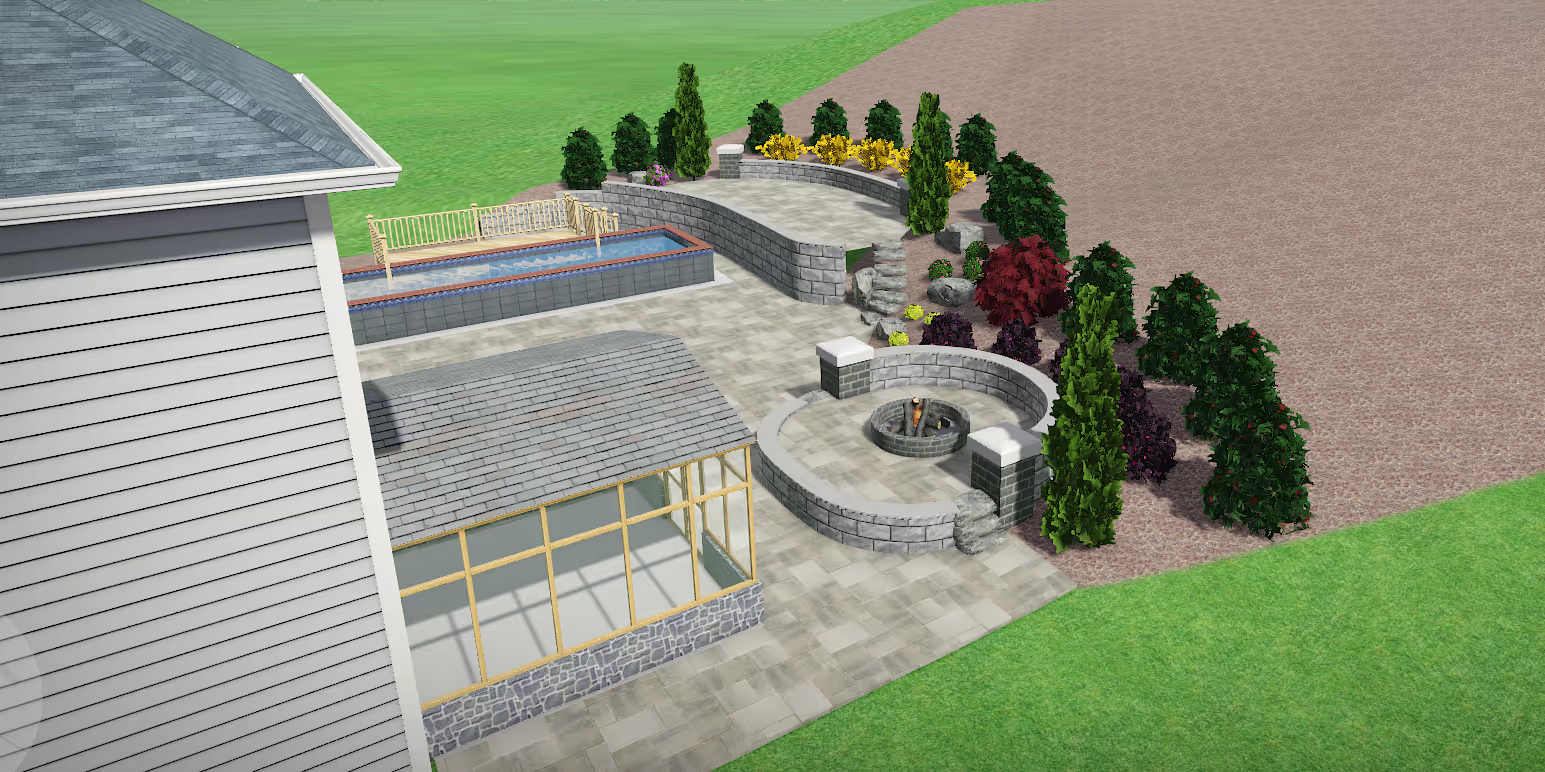
We use professional 3-D rendering software to produce a detailed visual of your finished project. You will see exactly where the patio sits, how the wall is terraced, where the fire pit lands, and what materials will be used. Multiple material and color options are shown side by side, and revisions are included until you are fully satisfied with the design.
Once the design is approved, we provide a detailed written proposal with itemized pricing. As a Belgard Authorized Contractor, we source premium materials directly and walk you through the full product line to select your paver style, color, and finish.
Site Prep and Build
Built Right From the Ground Up
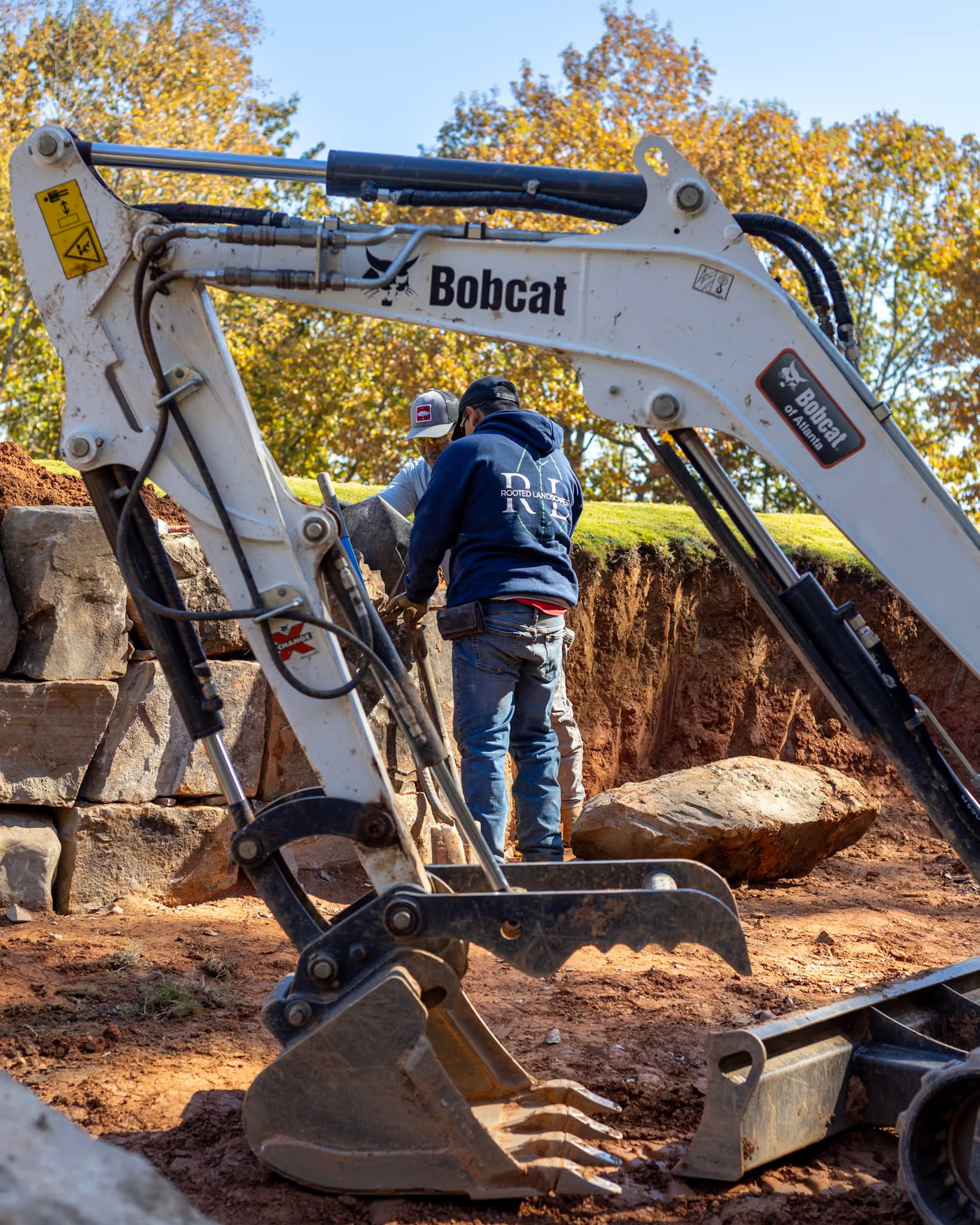
This is where most cheap hardscaping jobs cut corners. Proper excavation, grading, and base compaction are what separate a patio that holds up for thirty years from one that shifts and sinks in five. Our CMHA-certified crews are trained to do this step correctly every time, with drainage addressed before any surface work begins.
The Rooted installation team then builds your project to the approved 3-D design. Jerry stays involved throughout and is reachable directly if you have questions. The site is kept clean and organized from start to finish, and the crew shows up on time and works a full day.
Final Walkthrough
We Don’t Leave Until You Love It
We walk the finished project with you before we consider the job done. Any punch list items are addressed on the spot.
We go over care and maintenance, explain what your Belgard warranty covers, and make sure you are completely satisfied with every element of the build.
Let's Build SomethingYou’ll Love
Share your vision and we'll handle the rest.