
Timber Retaining Walls
A timber retaining wall is a practical, cost-effective way to manage a slope, define a garden bed, or create usable tiered space in your yard. When it is built with the right materials and proper drainage, it holds its ground and its appearance for years.
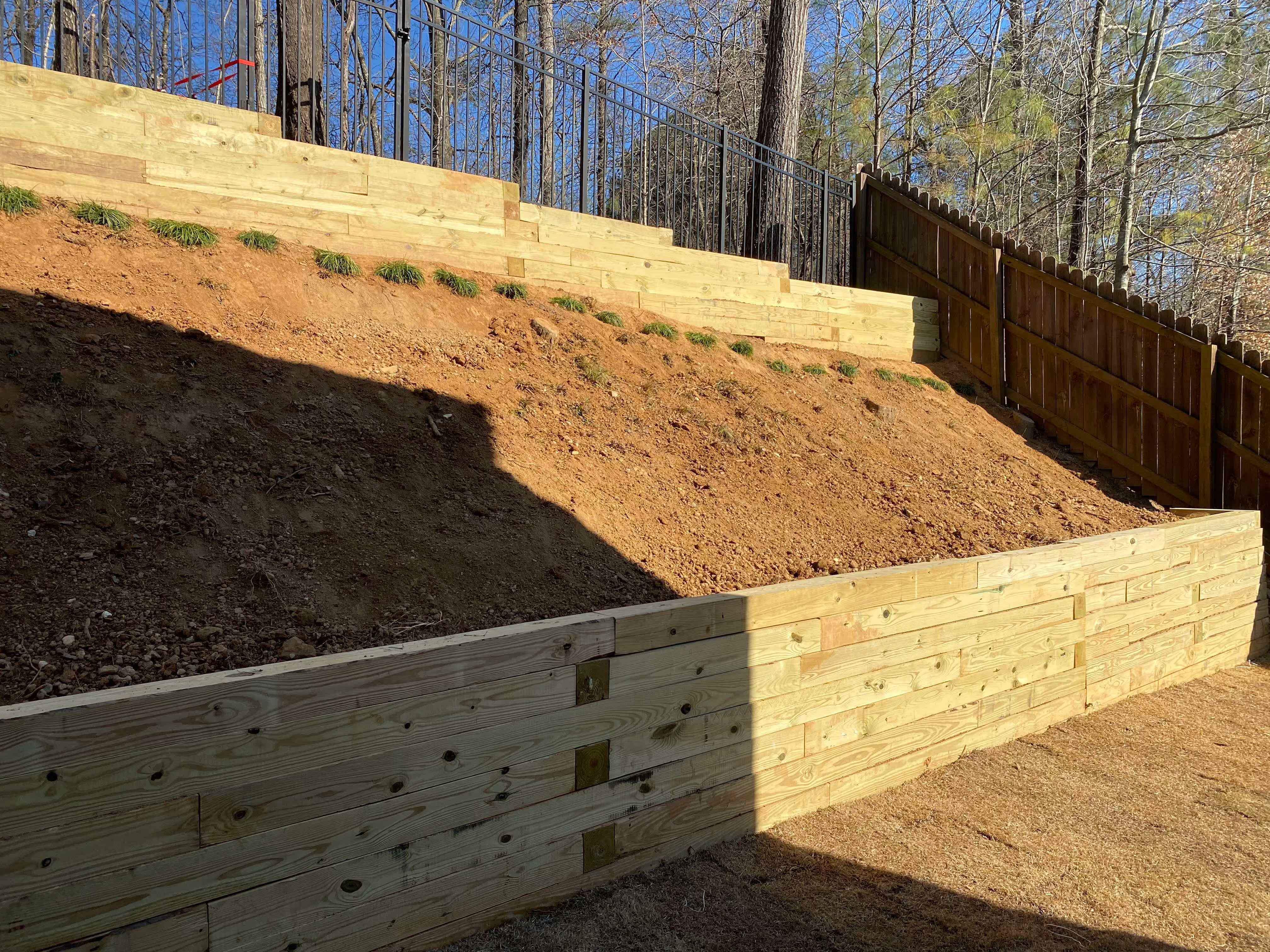
What Timber Retaining Wall Installation Involves
Timber walls are straightforward in appearance but unforgiving when the fundamentals are skipped. A wall built without proper drainage behind it will bow and lean as water pressure builds through wet seasons. Timbers that are not properly treated for ground contact will rot from the base up, often before the wall shows any visible sign of failure on the surface.
Rooted builds timber retaining walls using pressure-treated lumber rated for ground contact, with drainage addressed behind every wall before the first timber is set. We size the wall, set the proper deadman anchors to tie the structure back into the slope, and account for Georgia's wet seasons and soil movement so the finished wall performs the way it is supposed to over the long term.

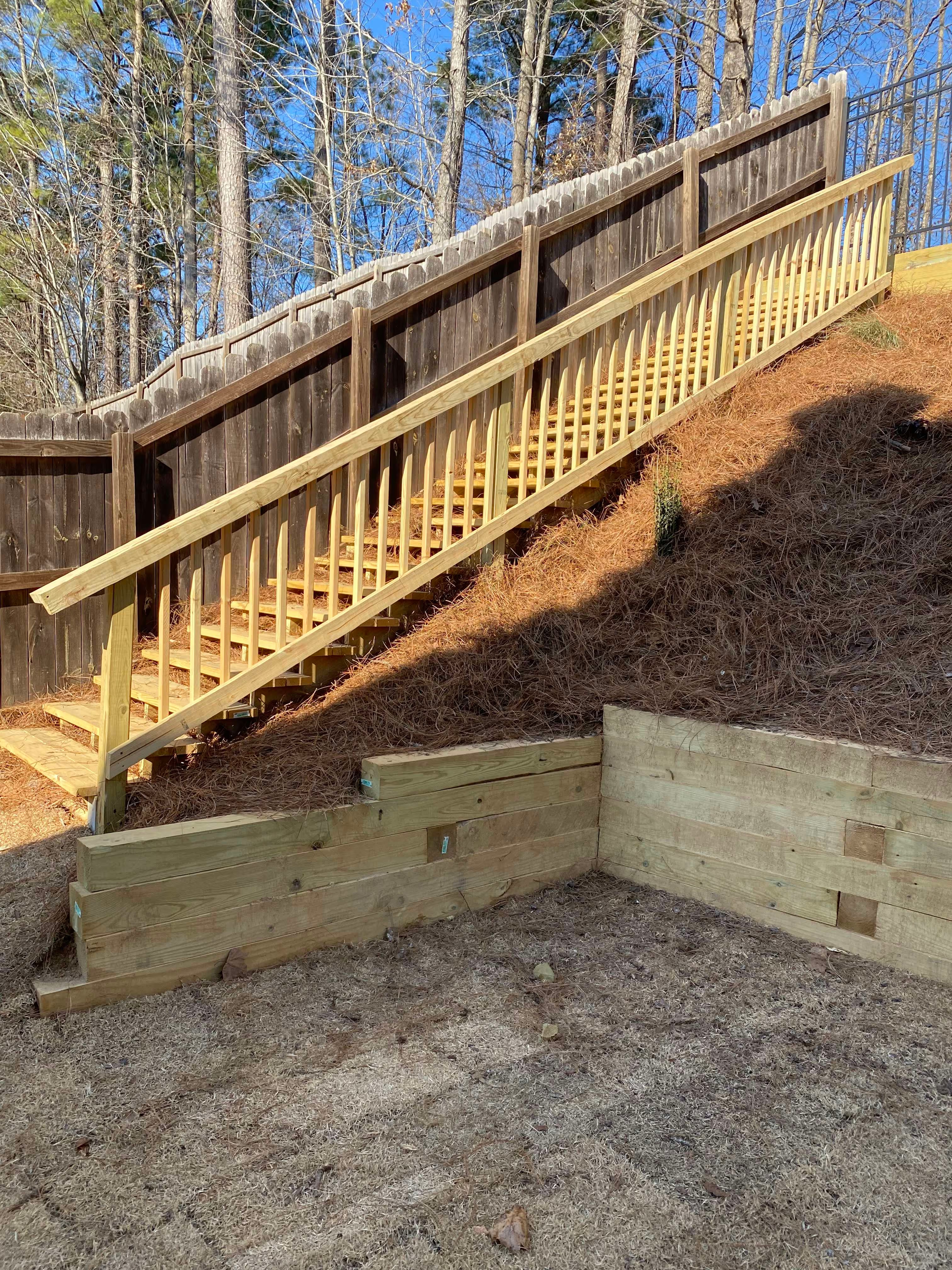
An Informational Guide to Timber Retaining Walls
Timber retaining walls are a practical and versatile solution for managing slopes, defining garden spaces, and creating tiered planting areas. Understanding how they work helps you make better decisions before the project begins.
Lumber selection matters. Not all pressure-treated lumber is rated for ground contact. Timber used in retaining wall construction needs to meet the correct treatment level for direct soil exposure. Using the wrong grade accelerates rot at the base of the wall where moisture is most concentrated and most damaging.
Deadman anchors are not optional. A timber wall without deadman anchors running back into the slope is relying entirely on the weight of the timbers to resist the lateral pressure of the soil behind it. On anything taller than a single course, that is not enough. Proper deadman placement ties the wall back into stable ground and is a standard part of every Rooted installation.
Drainage is the most important detail. Water that cannot move through or around a timber wall builds pressure behind it. Over time that pressure pushes the wall forward regardless of how well the timbers are stacked. A gravel backfill layer and perforated drain pipe behind the wall are non-negotiable.
Height and tiering. Timber walls work well for low to mid-height applications. Taller slopes are often better addressed with tiered walls separated by planting areas, which distributes the load across multiple shorter walls and creates usable garden space between levels.
Lifespan expectations. A properly built timber wall using the correct materials will last fifteen to twenty years under normal conditions. That lifespan shortens significantly when drainage is not addressed or when the wrong lumber grade is used. Rooted builds to the longer end of that range.
The Simplest Walls Still Have to Be Built Right
Timber walls have a reputation for being a straightforward project, and that reputation is part of what leads to shortcuts. Inadequate drainage, undersized deadman anchors, and lumber that is not rated for ground contact are the most common reasons timber walls fail within a few years of installation.
As a Belgard Authorized contractor and CMHA-certified installer, Rooted builds every timber wall the same way regardless of size: drainage first, proper anchoring throughout, and materials selected for the conditions they will actually face in Georgia's climate.
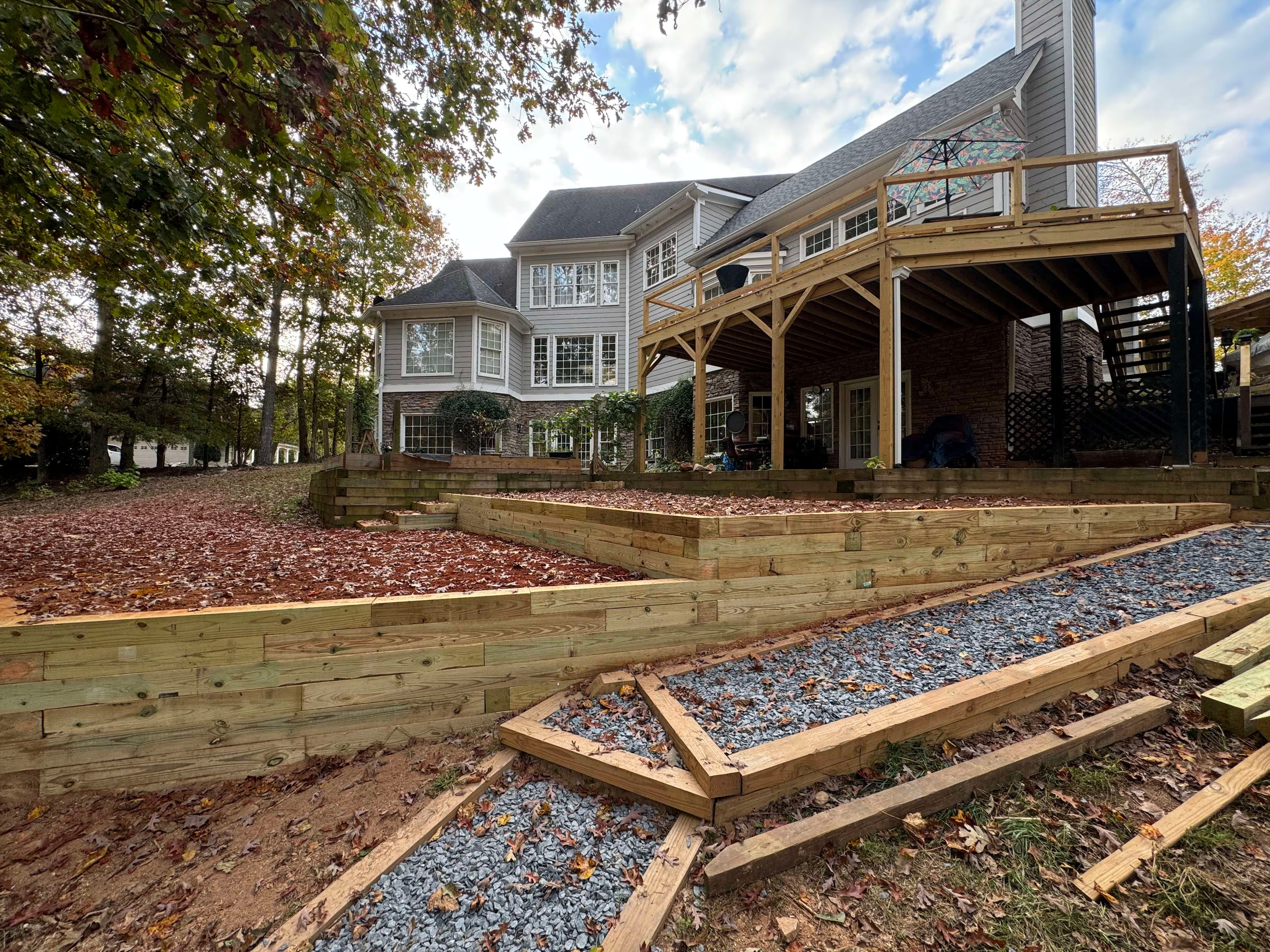
Ready to Transform Your Outdoor Space? Let’s Talk.
Customer Testimonials
Hear from some of our 100+ 5.0 Star Google Reviews!
Anne J.
Jerry and his team where easy to work with. They completed the job ahead of schedule and under budget. The new wall is as attractive as it is practical. Thank you and hopefully we can do another project in future!
Wayne M.
Lynn V.
Kay W.
Reb W.
FAQs
Timber retaining walls are built from pressure-treated lumber or railroad ties stacked and anchored to hold back soil on sloped terrain. They tend to work best in residential settings where the goal is a natural, informal look that blends into the landscape rather than making a strong architectural statement. They are a practical fit for garden terracing, low-to-mid height grade changes, and properties where a softer aesthetic is preferred over concrete block or stone.
Lifespan depends heavily on the material quality and site conditions. Pressure-treated timber in good drainage conditions can last 20 to 30 years. Walls that retain moisture against the wood consistently will deteriorate faster. This is worth factoring into the decision when comparing timber against concrete block or natural stone, both of which will outlast wood in most conditions. Timber is often the more budget-friendly option upfront, and for the right application and scale, it is a reasonable long-term investment.
Drainage is just as critical for timber walls as any other type, and arguably more so because standing moisture accelerates wood decay. We incorporate gravel backfill and drainage solutions behind the wall to move water away from the structure consistently. A timber wall without proper drainage will not reach its full lifespan regardless of material quality.
Depending on the wall's height and your county's requirements, a permit may be necessary. The general threshold in most jurisdictions is four feet from the base of the wall. We assess what applies to your project before work begins so there are no surprises once we are on site.
Yes, and this is one of the more natural fits for timber. The material pairs well with planted borders, garden beds, and informal landscape layouts. Timber walls can be stepped or terraced to create multiple planting levels on a slope, adding both function and visual interest. If you are looking to build out a kitchen garden, layered perennial beds, or a terraced backyard, timber is a material worth considering for the structure that holds it all together.
Our Hardscaping Process
Every hardscaping project is different, but our process is consistent. Here is exactly what to expect, from your first call to the day you enjoy your finished space.
.avif)
Consultation
We Come to You
We visit your property for a 30 to 60 minute walkthrough. We look at the space, talk through your vision, and assess what is actually possible given your yard, slope, drainage, and budget.
Most homeowners have a rough idea of what they want but are not sure what is realistic. This conversation usually clarifies a lot and sets the project up for success from the start.
3-D Design & Proposal
See It Before We Build It
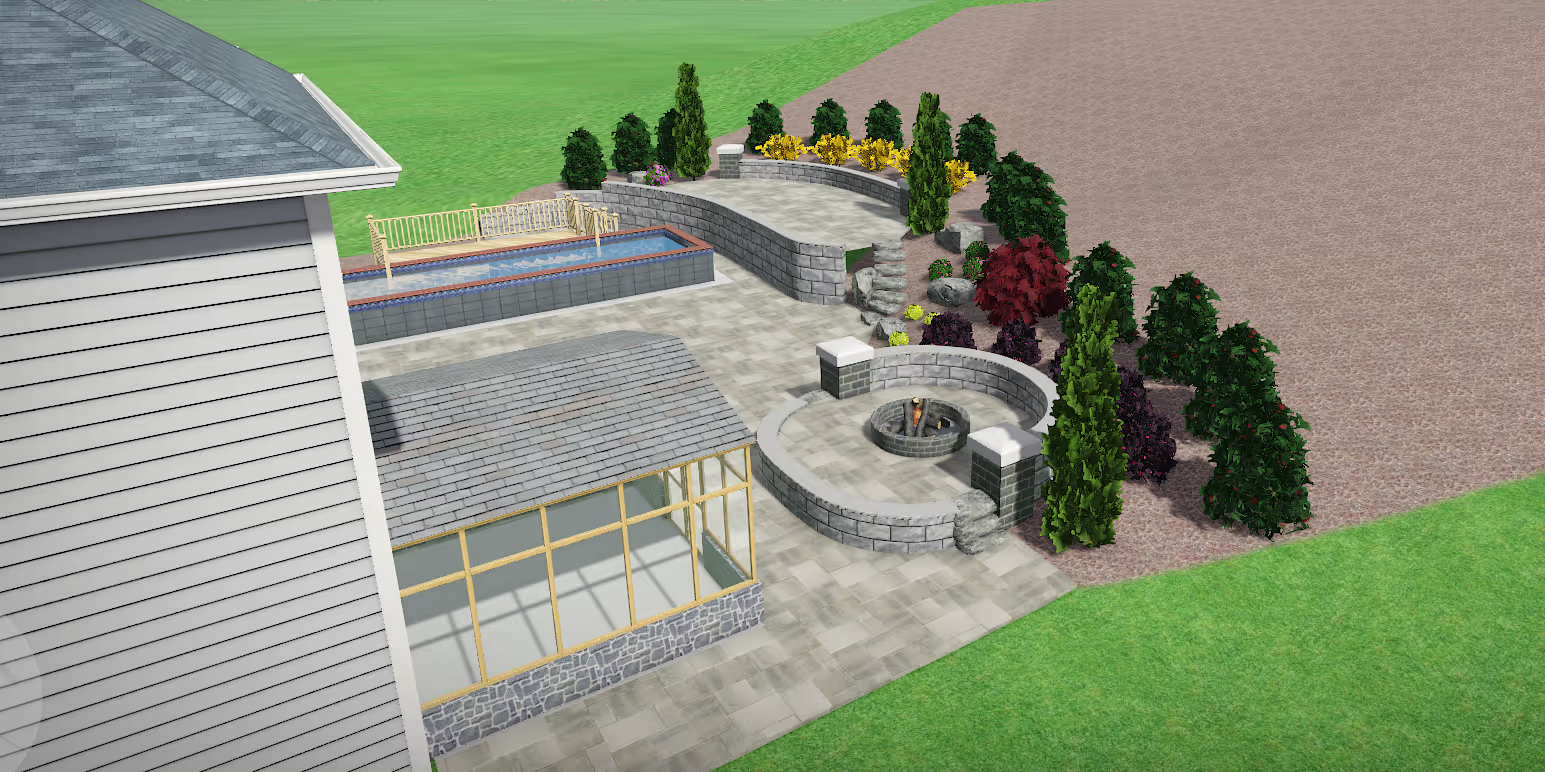
We use professional 3-D rendering software to produce a detailed visual of your finished project. You will see exactly where the patio sits, how the wall is terraced, where the fire pit lands, and what materials will be used. Multiple material and color options are shown side by side, and revisions are included until you are fully satisfied with the design.
Once the design is approved, we provide a detailed written proposal with itemized pricing. As a Belgard Authorized Contractor, we source premium materials directly and walk you through the full product line to select your paver style, color, and finish.
Site Prep and Build
Built Right From the Ground Up
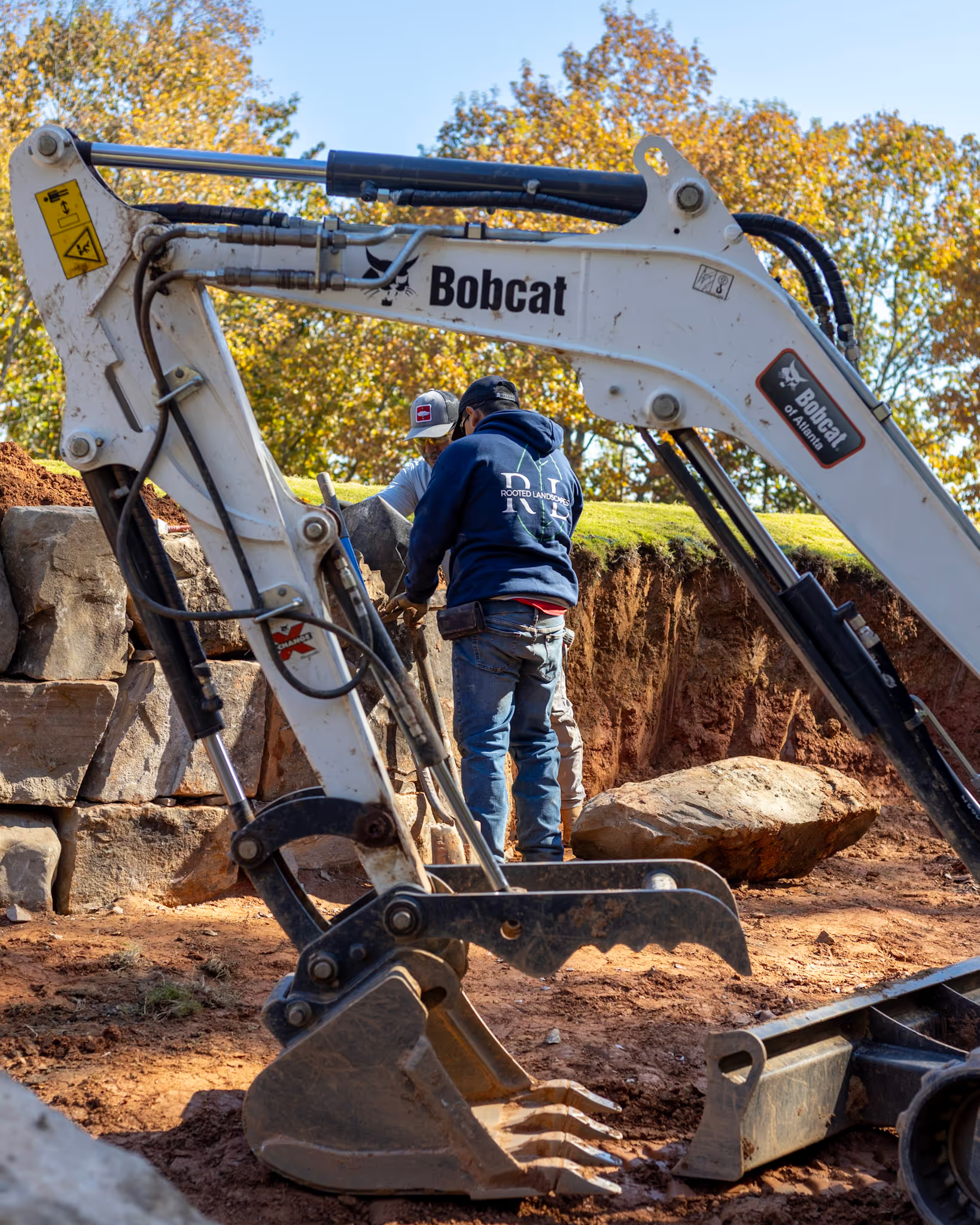
This is where most cheap hardscaping jobs cut corners. Proper excavation, grading, and base compaction are what separate a patio that holds up for thirty years from one that shifts and sinks in five. Our CMHA-certified crews are trained to do this step correctly every time, with drainage addressed before any surface work begins.
The Rooted installation team then builds your project to the approved 3-D design. Jerry stays involved throughout and is reachable directly if you have questions. The site is kept clean and organized from start to finish, and the crew shows up on time and works a full day.
Final Walkthrough
We Don’t Leave Until You Love It
We walk the finished project with you before we consider the job done. Any punch list items are addressed on the spot.
We go over care and maintenance, explain what your Belgard warranty covers, and make sure you are completely satisfied with every element of the build.

Let's Build SomethingYou’ll Love
Share your vision and we'll handle the rest.