Comparing Popular Retaining Wall Materials for Gainesville Homes

Choosing the right retaining wall material is a bigger decision for Gainesville homeowners than it might seem at first glance. Between rolling terrain, clay-heavy soils, and seasonal heavy rains, the material you select directly affects how well the wall performs structurally, how it manages water, how much maintenance it will need, and how it looks over time. A retaining wall in Gainesville is not just a visual feature; it is a working system that has to hold back soil, manage drainage, and withstand heat, humidity, and frequent wet-dry cycles.
Gainesville’s housing mix also plays a role. Historic neighborhoods, suburban subdivisions, student rentals, and newer custom homes all come with different style expectations and budget realities. Concrete, natural stone, modular block systems, timber, brick, and newer engineered or naturalistic options all have a place here, but none are universally “best.” The right choice depends on site conditions, wall height, intended use, appearance goals, and how long the homeowner expects the solution to last.
What Influences Retaining Wall Material Selection
Before comparing materials, it helps to understand what really drives the decision. Soil type and drainage needs are often the most critical factors in North Central Florida. Clay-rich soils hold water and increase pressure behind walls, which means materials and systems must be compatible with proper drainage design. Wall height and load matter as well. A short garden wall has very different demands than a wall supporting a driveway or patio.
Local codes, permits, and HOA guidelines can restrict wall height, materials, or appearance in certain neighborhoods. Climate also matters. Heat, humidity, UV exposure, and heavy rain affect how materials age, stain, crack, rot, or corrode. Beyond technical concerns, homeowners also weigh aesthetics, maintenance preferences, and budget. Upfront cost, expected lifespan, and long-term repair or replacement costs should all be considered together, not in isolation.
Common Uses for Retaining Walls Around Gainesville Homes
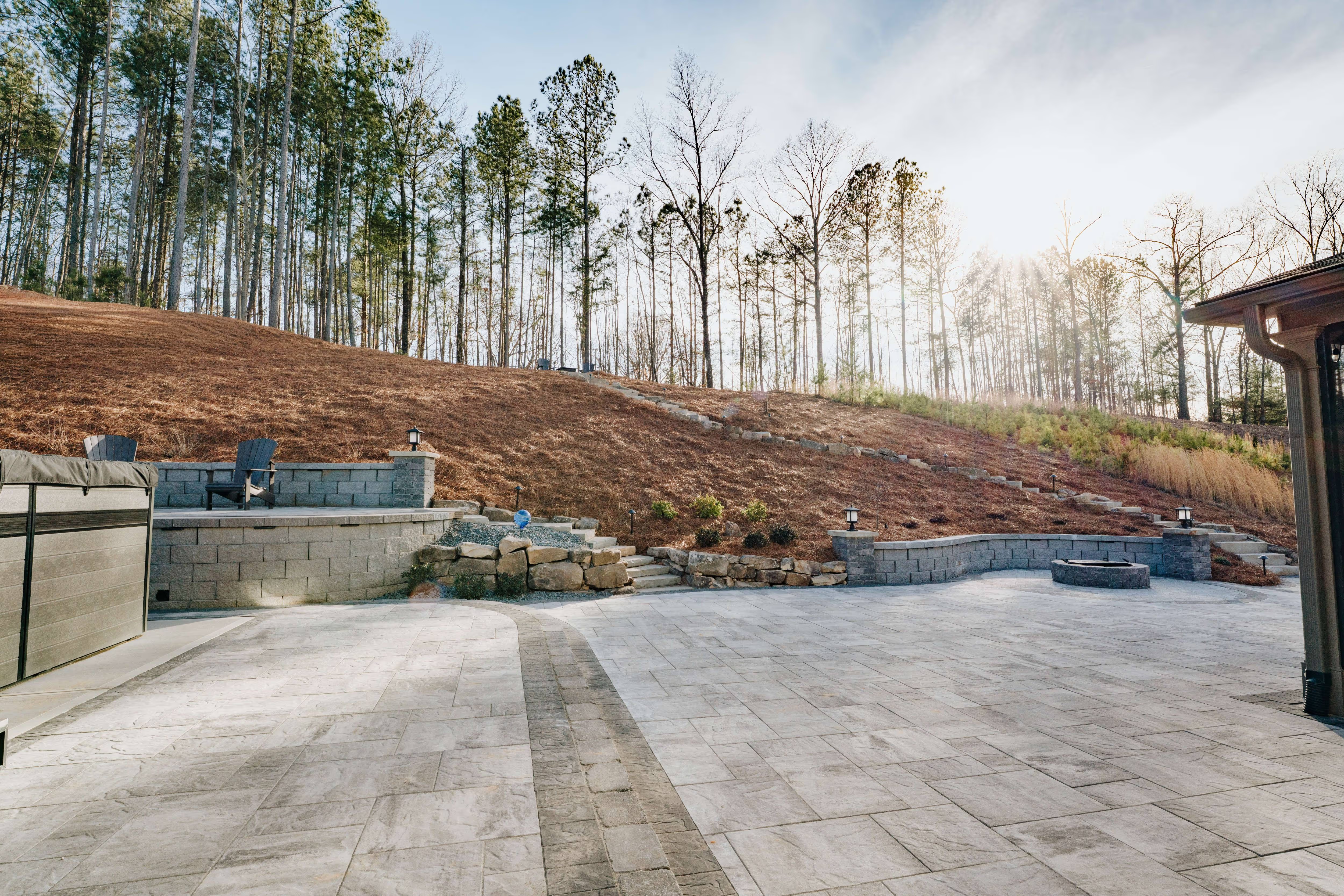
Most residential retaining walls in Gainesville are used to terrace sloped yards, control erosion, support driveways or parking pads, create raised garden beds, or frame outdoor living spaces. Properties near creeks, low-lying areas, or drainage swales often use retaining walls as part of broader water management strategies. In neighborhoods near the University of Florida, walls may also be used to maximize usable yard space on smaller lots.
Each use favors different materials. A decorative garden terrace does not need the same structural capacity as a wall holding back a driveway, and a highly visible front-yard wall may prioritize appearance more than one hidden along a property line.
Climate, Soil, and Site Conditions in Gainesville
Gainesville’s hot, humid climate and frequent thunderstorms place extra demands on retaining wall materials. Repeated exposure to moisture, followed by drying and intense sun, accelerates deterioration in materials that are sensitive to water or UV. Heavy rains also increase hydrostatic pressure behind walls, making drainage design just as important as the material itself.
Local soils often include sandy layers mixed with clay. Clay expands when wet and drains slowly, increasing pressure on walls. Sandy soils drain faster but can erode if not stabilized. Steep slopes, trees, and nearby structures all increase structural demands. Taller walls or walls supporting loads typically require engineered systems, while smaller garden walls allow more flexibility in material choice.
Poured Concrete Retaining Walls
Poured concrete retaining walls are cast on-site using forms and reinforced with steel. They create a single, solid structure that can be engineered for significant height and load. In Gainesville, poured concrete is often used for walls supporting driveways, parking areas, or tight spaces where other systems may not fit.
The biggest advantage of poured concrete is strength. When properly designed and installed, it offers excellent durability and resistance to rot, pests, and weather-related damage. It also allows for curved shapes, integrated steps, and other custom features. Decorative finishes such as textured forms, stains, or veneers can make concrete more visually appealing.
The downsides are cost and repair complexity. Poured concrete generally has higher upfront costs and requires skilled labor. If cracking or movement occurs due to poor soil prep or drainage issues, repairs can be invasive and expensive. Large plain concrete surfaces can also look stark in residential settings if not thoughtfully finished.
Concrete Block and CMU Walls
Concrete masonry unit (CMU) walls are built from hollow concrete blocks stacked with mortar and reinforced with rebar and grout. These differ from dry-stacked modular block systems and are often finished with stucco, paint, or stone veneer.
CMU walls offer good versatility and moderate cost compared to poured concrete. They can be shaped to match many Gainesville home styles and handle moderate wall heights when properly engineered. However, moisture management is critical. In humid climates, CMU walls can show efflorescence, staining, or moisture intrusion if waterproofing and drainage are inadequate. Taller CMU walls almost always require engineering to prevent cracking or leaning.
Segmental Concrete Block (Modular) Retaining Walls
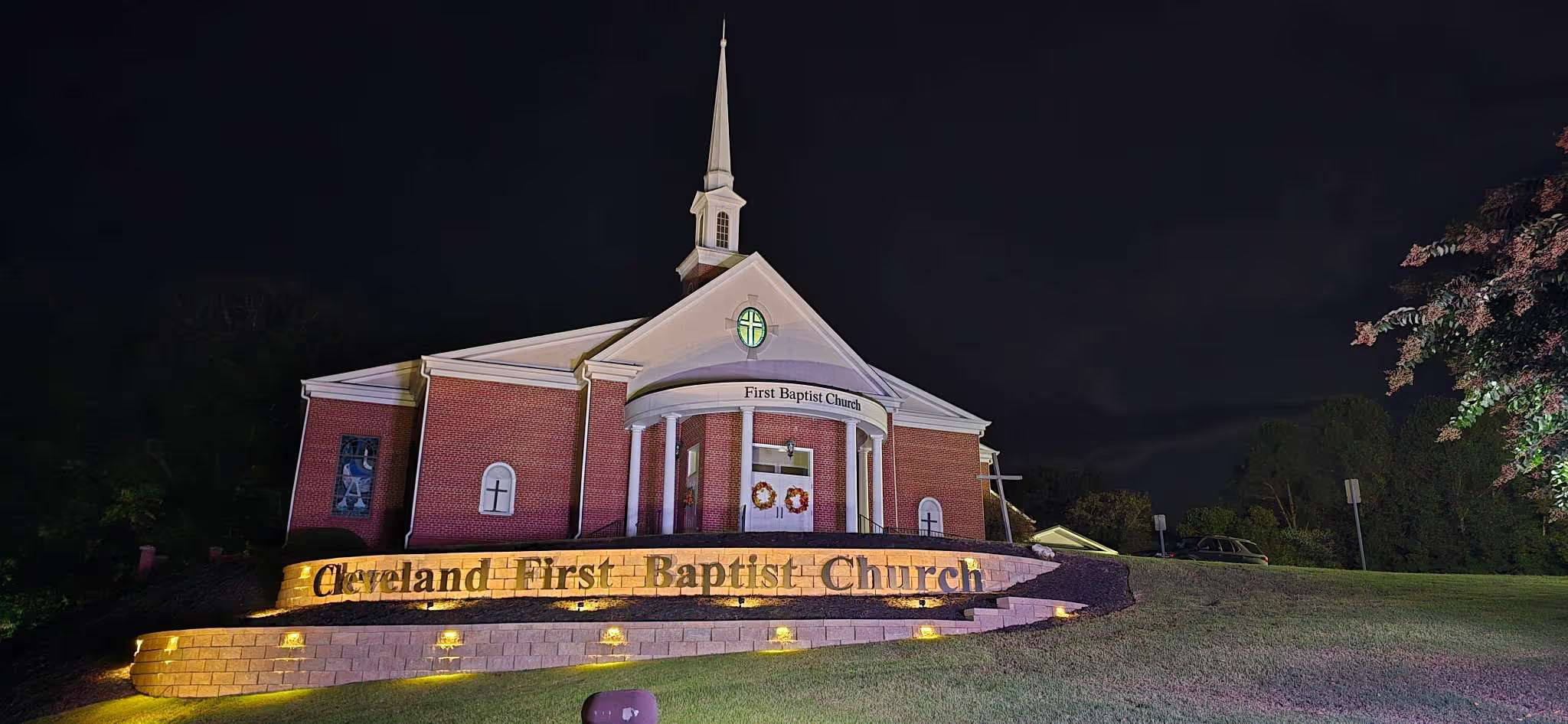
Segmental retaining wall blocks are interlocking concrete units designed specifically for retaining structures. They are dry-stacked, often textured to resemble stone, and rely on gravity and, for taller walls, geogrid reinforcement.
These systems are very popular in Gainesville because they balance structural capability, aesthetics, and installation efficiency. Many smaller walls can be built by experienced DIYers, while larger walls are engineered using geogrid. Built-in drainage zones and flexibility allow the wall to tolerate minor soil movement without cracking.
Their main limitation is height. Unreinforced modular walls are typically limited to a few feet. Ignoring manufacturer guidelines or drainage requirements can lead to bulging or failure, especially in saturated soils. Proper base preparation and drainage are essential for long-term performance.
Natural Stone Retaining Walls
Natural stone walls are made from materials like limestone, fieldstone, or flagstone and can be dry-stacked or mortared. Stone offers a timeless, organic appearance that complements both rustic and upscale Gainesville properties.
Stone’s biggest advantage is aesthetics and longevity. A well-built stone wall can last for generations and age gracefully. It resists UV, pests, and rot better than many materials. However, stone is labor-intensive and expensive. Skilled masons are required for structural stability, especially for taller walls. Dry-stacked stone may not meet code for all applications and often needs careful drainage design to prevent shifting during heavy rains.
Timber Retaining Walls
Timber walls are typically built from pressure-treated lumber or landscape timbers stacked horizontally or anchored with posts and deadmen. They are attractive for their warm, natural look and lower upfront cost.
In Gainesville’s humid climate, wood is at a disadvantage. Even treated lumber is susceptible to rot, termites, and warping over time, especially when in contact with damp soil. Timber walls usually have a shorter lifespan and require more frequent maintenance and replacement. They are best suited for low walls, raised beds, or short- to medium-term solutions where budget is a primary concern.
Brick Retaining Walls
Brick retaining walls are most often brick veneers over CMU or concrete cores rather than fully structural brick. Brick provides a classic, polished appearance that pairs well with many Gainesville homes, especially traditional or historic styles.
Brick offers good durability when properly detailed, but moisture management is critical. Mortar joints can absorb water, leading to efflorescence or surface damage if drainage and waterproofing are inadequate. Brick is generally best for lower walls, steps, and raised beds, or as a finish material over a structural wall system.
Gabion, Boulder, and Naturalistic Systems
Gabion walls use wire baskets filled with stone, creating permeable retaining structures that drain exceptionally well. Boulder or rockery walls use large stones stacked without mortar for a highly natural look. These systems are often used on rural or wooded Gainesville properties, creek banks, or areas with significant runoff.
Their strengths include excellent drainage and strong visual impact. However, they require space, may not suit formal neighborhoods, and require gabion baskets designed for long-term corrosion resistance in humid conditions.
Emerging and Innovative Options
Precast concrete panels, reinforced soil systems with geogrids, and green or living retaining walls are increasingly used on challenging sites. These systems allow taller walls with less visible mass and can integrate vegetation for a softer appearance. They typically require professional design and installation, but can be excellent solutions for large or complex Gainesville properties.
Cost, Lifespan, and Maintenance Considerations
Initial costs vary widely. Timber and small modular block walls tend to be more affordable upfront, while poured concrete, stone, and engineered systems cost more. Over time, however, lower-cost materials often require more maintenance or replacement. Stone, poured concrete, and well-built modular walls generally offer the best long-term value.
In Gainesville’s climate, regular inspections are essential for all materials. Clearing drainage outlets, managing vegetation, and addressing minor issues early can significantly extend wall life.
Design and Aesthetic Integration
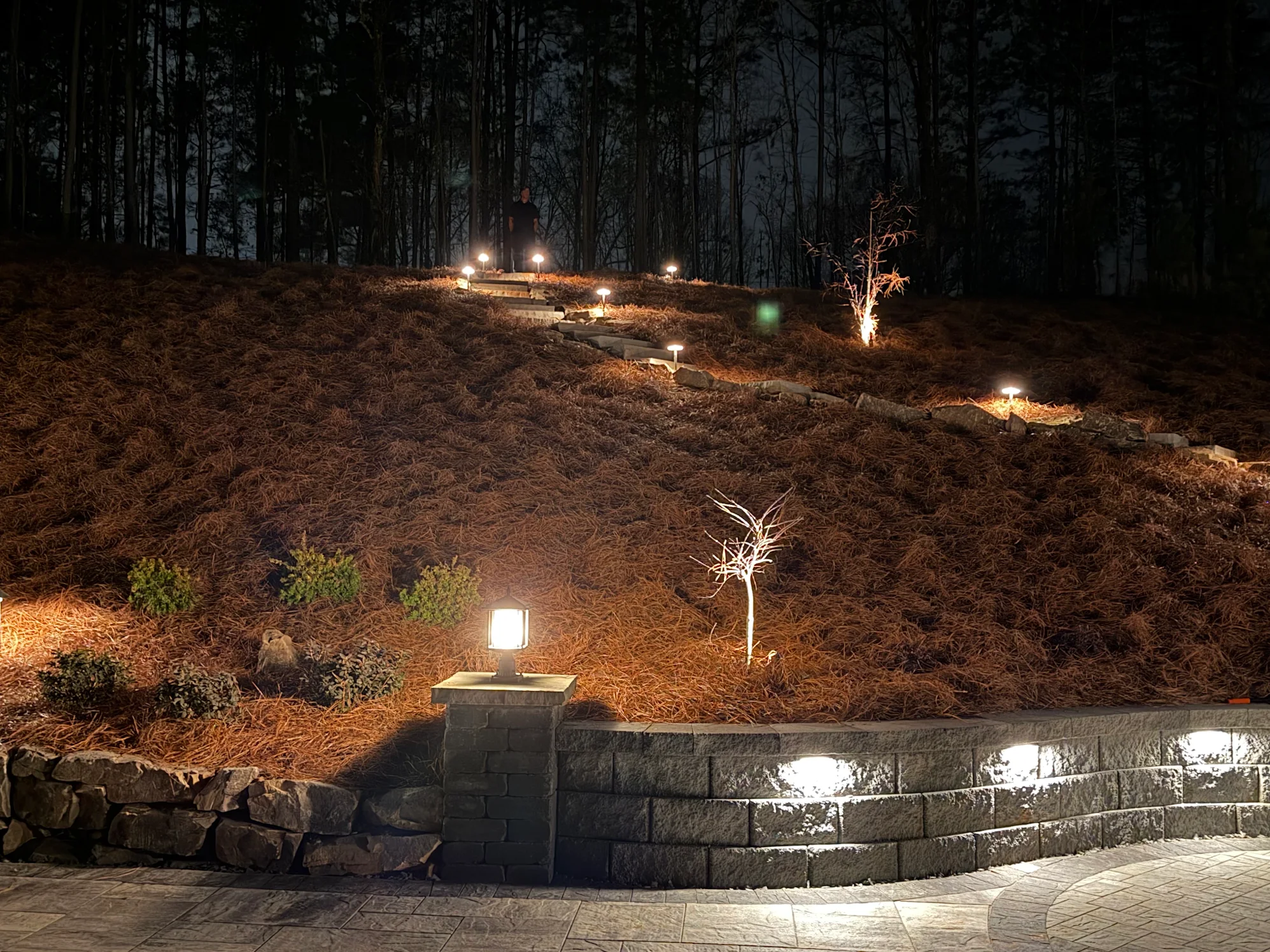
Retaining walls should complement the home and landscape. Brick works well with traditional architecture, stone with rustic or craftsman styles, and modular block with contemporary designs. Plantings, lighting, and thoughtful material combinations can soften walls and turn them into features rather than barriers.
Permits and Professional Guidance
Many retaining walls in Gainesville require permits or engineering, especially above certain heights or near property lines. DIY projects are best limited to small, low walls in simple conditions. Taller or load-bearing walls benefit from professional design and installation to ensure safety and longevity.
Conclusion
There is no single best retaining wall material for Gainesville homes. The right choice depends on soil conditions, drainage, wall height, appearance goals, budget, and how long the homeowner plans to stay. Concrete, CMU, modular block, stone, timber, and naturalistic systems all have strengths and limitations in Gainesville’s climate. Prioritizing proper drainage, thoughtful design, and realistic expectations about lifespan and maintenance leads to retaining walls that perform well and enhance property value for years to come.
Rooted Landscape Management takes pride in providing top-quality hardscaping solutions to property owners in Gainesville, Georgia. Whether you need hardscape design and installation, retaining walls, and paver installations, or fire pits, our family-owned and operated company guarantees professional quality work. We ensure clear communication and provide long-lasting solutions. Call us to get free estimates within two business days.